Abseiling, also known as rappelling, is a heart-pounding vertical adventure that offers unparalleled access to breathtaking views and unique landscapes. But beneath the thrill lies a critical truth: safety is paramount. Without the right abseiling equipment and a solid understanding of its use, this exhilarating sport can quickly turn dangerous.

Whether you’re a seasoned vertical enthusiast or considering your first descent, equipping yourself properly is non-negotiable. This comprehensive guide will meticulously break down every piece of essential abseiling gear you need for a safe and successful rappelling adventure, along with crucial safety tips to keep you secure on your journey down.

The Core Abseiling Equipment: Your Lifeline to the Vertical World
Every piece of abseiling gear plays a vital role in ensuring your safety and control during a descent. These are the absolute essentials you cannot afford to overlook.
1. Abseiling Harness
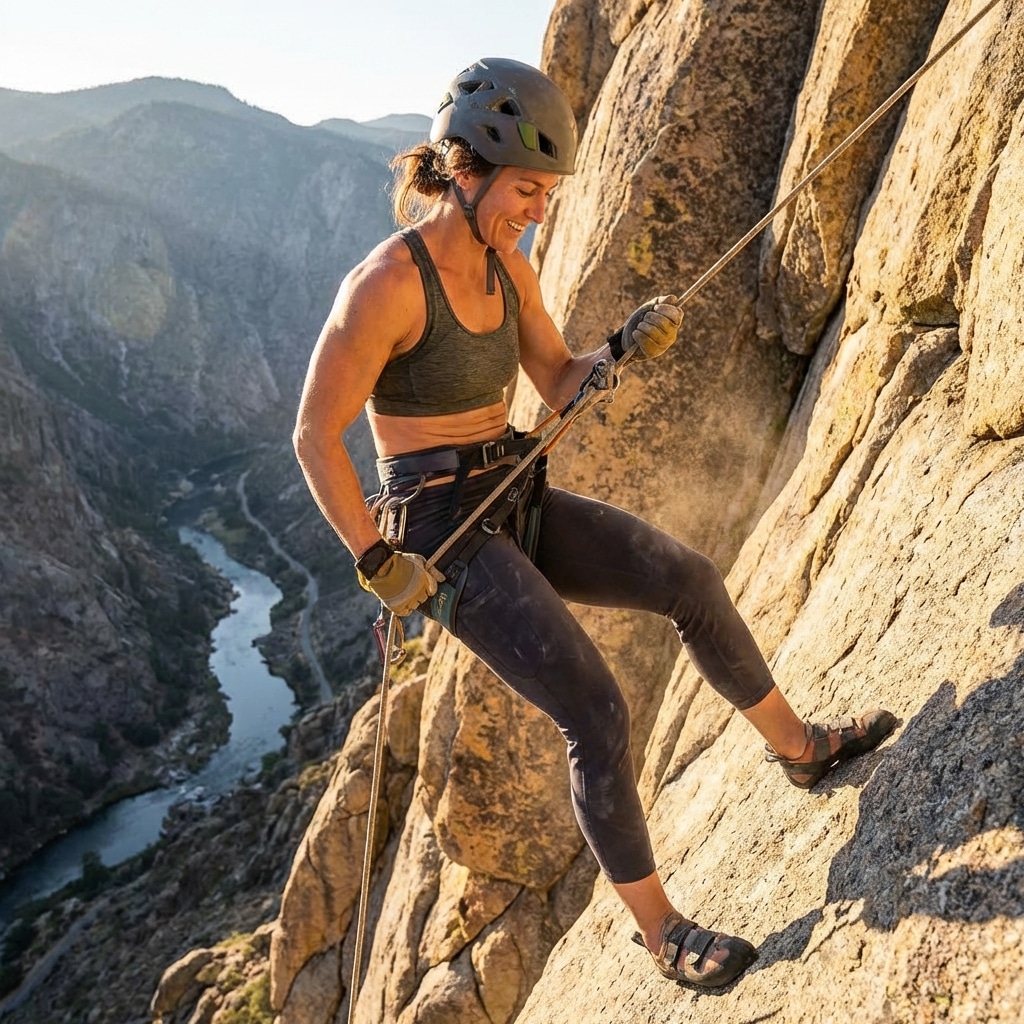
Your harness is the critical link between you and the rope. It distributes your weight and provides attachment points for your belay device and safety tethers. A well-fitting harness should be snug but comfortable, allowing full range of motion without pinching or rubbing.
- Types: Most abseilers use a standard climbing harness, typically a seat harness that fits around the waist and upper thighs. Full-body harnesses are also available, often for beginners or specific industrial applications.
- Fit: Ensure the harness fits securely over your hips and around your leg loops. There should be no slack, but it shouldn’t restrict circulation. Always double-check all buckles are threaded correctly and tightened.
- Inspection: Regularly check for fraying, tears, excessive wear, or damaged stitching before every use.
2. Abseiling Rope
The rope is your primary means of descent. Selecting the right type and length is crucial for safety and performance. Ropes are highly engineered safety devices and must be treated with care.
- Type: While dynamic ropes (designed to stretch and absorb impact in climbing falls) can be used, many abseilers prefer static or low-stretch ropes for rappelling. Static ropes offer less bounce, which can make controlled descents easier and reduce wear on anchors.
- Diameter & Length: Common diameters range from 9mm to 11mm. The length depends entirely on the height of your descent; always choose a rope long enough to reach the ground (plus extra for knots) or the next anchor point.
- Material & Durability: Look for ropes made from high-quality nylon, designed to withstand abrasion and UV exposure. Proper rope care, including avoiding sharp edges and storing away from chemicals, extends its lifespan.
- Inspection: Thoroughly inspect the entire length of the rope for cuts, flat spots, core shots, excessive fraying, or any unusual stiffness or softness.
3. Belay Device & Carabiners
This duo provides the friction needed to control your descent and acts as a critical safety mechanism. Together, they allow you to manage your speed and stop confidently.
- Belay Device: Common types include ATC-style devices (e.g., Black Diamond ATC, Petzl Reverso) or assisted braking devices (e.g., Petzl Grigri). An ATC offers excellent friction control and is versatile, while an assisted braking device provides an added layer of safety by helping to lock the rope under load.
- Carabiners: You’ll need at least one high-quality locking carabiner (often two for redundancy) to attach your belay device to your harness. Ensure these are screw-gate or auto-locking types to prevent accidental opening.
- Inspection: Check both the belay device and carabiners for cracks, excessive wear, sharp edges, or sticky gates. Ensure locking mechanisms function smoothly and securely.
4. Helmet
Often overlooked by beginners, a helmet is absolutely non-negotiable for abseiling. It protects you from falling rocks, unexpected swings into rock faces, and impacts from equipment.
- Type: Use a helmet specifically designed for climbing or mountaineering, which is built to withstand impacts from above and the sides.
- Fit: It should fit snugly without obstructing your vision, and the chin strap should be adjusted so the helmet doesn’t wobble.
- Inspection: Check for cracks, dents, or signs of impact. Replace a helmet immediately after any significant impact, even if visible damage is minimal.
5. Gloves
Gloves protect your hands from rope burn, abrasions, and sharp rock edges. They also improve grip and can enhance comfort during longer descents.
- Type: Look for durable leather or synthetic gloves designed for belaying and rappelling. They should offer good dexterity and protection without being overly bulky.
- Fit: A snug fit is best to maintain fine control over the rope.
Beyond the Basics: Essential Abseiling Accessories & Tools
While the core equipment gets you down, these accessories add layers of safety, efficiency, and preparedness to your abseiling setup.
- Anchor System Components: This includes slings, cordelettes, and quickdraws used to build safe and redundant anchor points from which to rappel. Always ensure your anchors are bombproof.
- Accessory Cords (Prusiks): Small diameter cords used for creating friction hitches (e.g., Prusik knot) which act as a self-rescue or backup safety device below your belay device.
- Knife: A small, sharp rescue knife is crucial for cutting rope in an emergency.
- First-Aid Kit: Essential for treating minor injuries or stabilizing more serious ones while awaiting rescue.
- Headlamp: Even if you plan to finish before dark, a headlamp is vital for unexpected delays or emergency situations.
- Bag/Haul Bag: For carrying your gear, especially if you need to haul ropes or equipment.
Crucial Safety Tips for a Successful Abseiling Adventure
Having the right gear is only half the battle. Mastering proper techniques and adhering to strict safety protocols is equally important for a safe abseil.
Get Professional Training
This cannot be stressed enough. If you’re new to abseiling or want to advance your skills, seek instruction from a certified guide or accredited outdoor professional. They will teach you proper knot tying, gear setup, anchor building, descent techniques, and self-rescue protocols.
Inspect Your Gear Thoroughly
Before every single abseil, perform a meticulous inspection of all your equipment – harness, rope, belay device, carabiners, helmet, and anchors. Look for any signs of wear, damage, or malfunction. If anything looks suspect, do not use it.
Check Weather Conditions
Abseiling in adverse weather can be extremely dangerous. High winds can make rope handling difficult and unstable. Rain or ice can make rock surfaces slippery and increase the risk of hypothermia. Always check the forecast and be prepared to postpone your trip if conditions are unfavorable.
Know Your Limits and Practice
Never attempt a descent beyond your skill level. Start with smaller, less exposed abseils and gradually build your confidence and expertise. Practice setting up your system and performing descents in a controlled environment until every step feels automatic and secure.
Communicate and Use a Buddy System
Always abseil with a partner. Clear and consistent communication is vital, especially in noisy or windy environments. Have a spotter or someone at the bottom to check the rope length and offer a bottom-belay as an added safety measure.
Embark on Your Vertical Journey Safely
Abseiling is an incredibly rewarding outdoor activity, offering unique perspectives and an unmatched sense of accomplishment. By investing in high-quality, reliable abseiling equipment and diligently following established safety protocols, you set yourself up for countless thrilling and secure adventures.
Remember, your gear is your guarantee of safety. Treat it with respect, maintain it meticulously, and always prioritize knowledge and caution. Now, go forth and conquer those vertical drops with confidence!