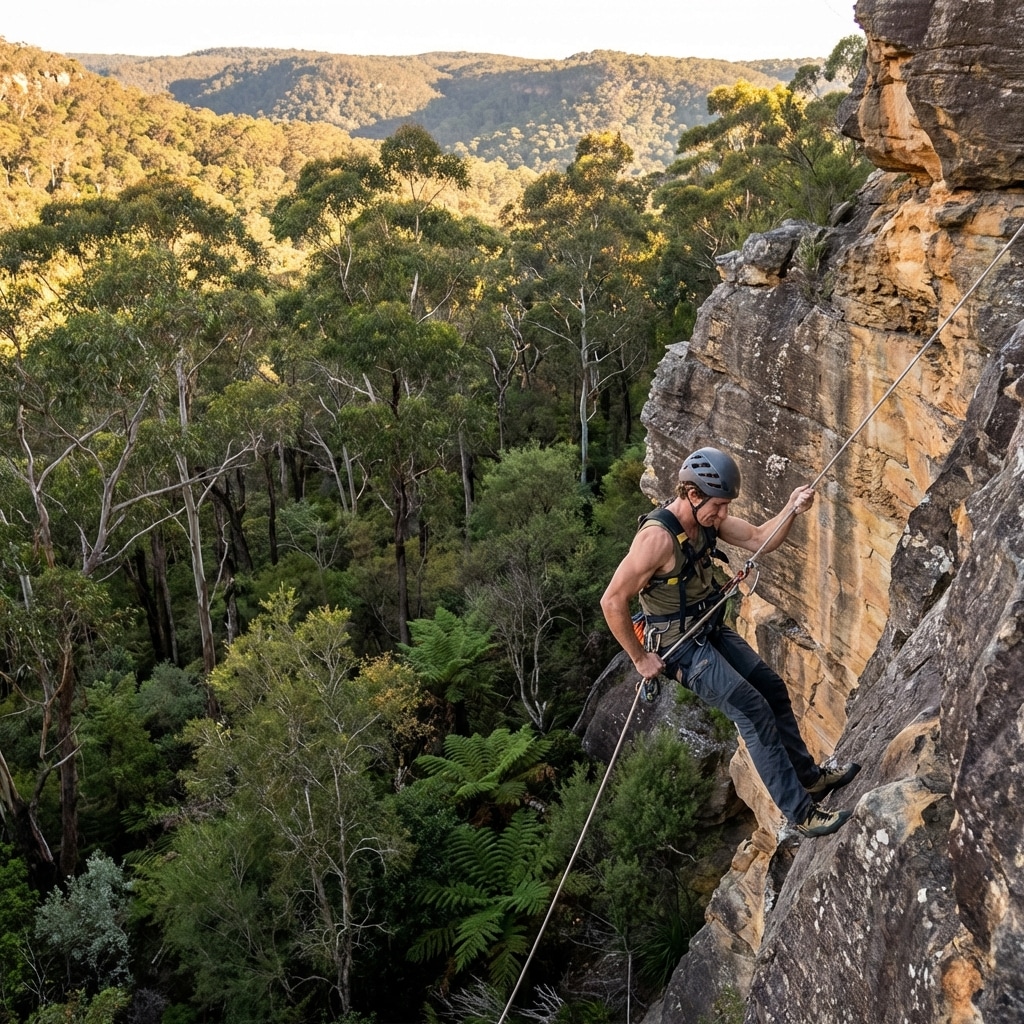
Abseiling, often known as rappelling, is an electrifying vertical adventure that blends thrill with precision. Whether you’re a seasoned rock climber or just embarking on your first descent down a sheer cliff face, your safety and success hinge on one critical factor: your gear. The right abseiling equipment isn’t just a collection of tools; it’s your lifeline, ensuring control, comfort, and most importantly, protection during every exhilarating drop.
From ropes engineered for unwavering stability to harnesses designed for ergonomic support, understanding each component of your setup is paramount. This comprehensive guide will delve into the essential abseiling gear, explaining why each piece is indispensable and how to select the best options for your high-stakes pursuits.
Essential Abseiling Gear You Can’t Do Without
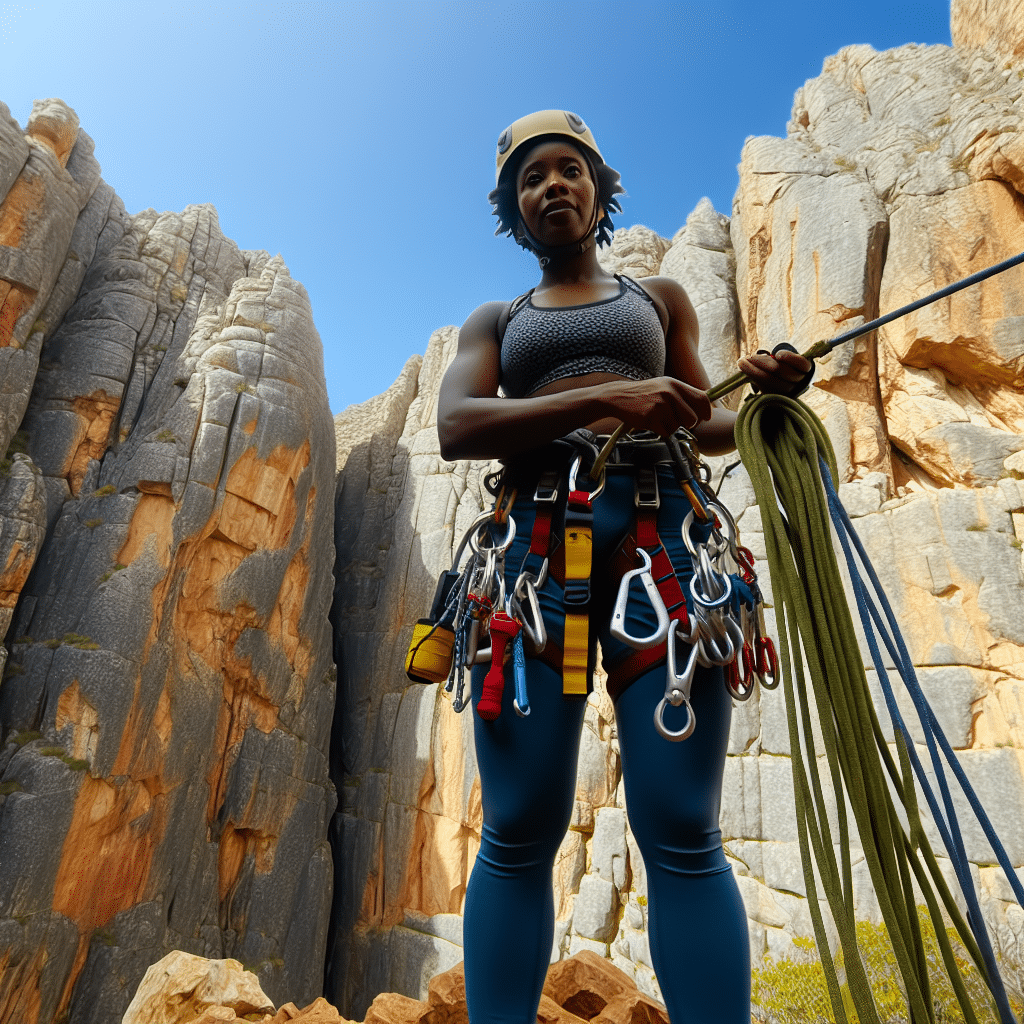
Building a reliable abseiling kit requires careful consideration of several key components. Each piece serves a unique purpose, working in conjunction to create a secure system for your vertical journey.
1. The Lifeline: Abseiling Ropes
Your rope is arguably the most critical piece of rappelling equipment. It’s what connects you to the anchor and allows for a controlled descent. Choosing the right type, diameter, and length is vital for safety and performance.
- Static Ropes: These are the gold standard for abseiling. With minimal stretch (typically 2-5%), static ropes offer superior control and stability, reducing the “bouncing” sensation during descent. They are ideal for fixed lines, hauling, and precise rappels.
- Dynamic Ropes: Primarily designed for lead climbing to absorb the energy of a fall, dynamic ropes stretch significantly (up to 10%). While they *can* be used for abseiling, their elasticity makes descents less controlled and can be more challenging for beginners.
Consider rope diameter (typically 9-11mm for durability and good handling) and length based on the height of your planned descent, ensuring you have enough for a doubled rope system if necessary.
2. Your Connection: The Abseiling Harness
A comfortable and secure harness is fundamental to your abseiling setup. It distributes your weight evenly, connecting you safely to the rope via your belay loop. A well-fitting harness prevents discomfort and reduces fatigue on longer descents.
- Fit: The harness should fit snugly around your waist and thighs without restricting movement or circulation. Always double-check buckle security.
- Padding: Ample padding in the waistbelt and leg loops significantly enhances comfort, especially during extended hangs or multiple rappels.
- Adjustability: Look for easily adjustable leg loops and waistbelts to accommodate different clothing layers and body types.
- Gear Loops: Convenient loops allow you to organize and carry essential gear like carabiners, belay devices, and slings.
3. Critical Connectors: Carabiners
These versatile metal loops are the workhorses of your system, connecting your harness to the rope, your belay device, and anchors. Relying on high-quality, strength-rated carabiners is non-negotiable for safety.
- Locking Carabiners: Absolutely essential for critical connections, such as attaching your belay device to your harness or connecting to an anchor. They feature a gate that can be locked via a screw sleeve or twist-lock mechanism, preventing accidental opening.
- Non-Locking Carabiners: Useful for secondary attachments like gear organization on your harness, but never for primary safety connections.
Prioritize HMS (pear-shaped) carabiners for belay device connections due to their large gate opening and wide top, allowing for proper knot and device alignment.
4. Speed Control: Belay/Rappel Device
This device is your primary tool for controlling the speed of your descent by adding friction to the rope. A good belay device offers smooth control and efficient heat dissipation.
- ATC (Air Traffic Controller) Style: Simple, lightweight, and highly versatile. ATCs offer excellent control and are easy to use, making them a popular choice for abseiling and belaying.
- Figure 8 Descenders: Known for their simplicity and effectiveness, especially with thicker ropes or when more friction is desired. However, they can sometimes twist ropes.
- Assisted-Braking Devices: These advanced devices offer an extra layer of safety by automatically locking the rope under load, providing more peace of mind, particularly for beginners or when single-rope rappelling.
5. Head Protection: The Abseiling Helmet
Protecting your head from falling rocks, debris, or impacts against the rock face is paramount. A quality climbing helmet is an indispensable piece of your abseiling safety gear.
- Certification: Always choose helmets certified by recognized safety standards like CE (European) or UIAA (International Climbing and Mountaineering Federation).
- Fit: The helmet should fit snugly, covering your forehead without obstructing your vision, and remain stable when you move your head.
- Ventilation: Good ventilation helps keep you cool and comfortable, especially on warmer days or during strenuous activity.
6. Hand Protection: Abseiling Gloves
While often overlooked, a good pair of abseiling gloves can significantly enhance comfort and safety. They protect your hands from rope burn, abrasions, and provide better grip, especially during longer descents or in adverse weather.
- Durability: Look for gloves made from robust materials like leather or synthetic blends designed to withstand friction.
- Dexterity: Ensure they offer enough dexterity to handle your rope and operate your belay device without being cumbersome.
- Fit: A snug fit prevents bunching and improves tactile feel for better control.
7. Safety Backup: Prusik Loops or Auto-Block Cords
These short cords, tied into friction hitches, act as an essential auto-locking backup system, particularly when single-rope rappelling or needing to go hands-free. They are critical for adding redundancy to your rappelling setup.
8. Anchor System Components: Slings and Quickdraws
While you might not always set up your own anchors, understanding the components of a safe anchor system is crucial. Slings (nylon or Dyneema webbing) and quickdraws are often used to build or extend anchors, ensuring secure attachment points for your rope.
Choosing Your Abseiling Gear: A Comprehensive Guide
Selecting the right abseiling equipment goes beyond just knowing what each piece does. It involves understanding your specific needs and making informed decisions to maximize safety and enjoyment.
1. Assess Your Abseiling Needs and Environment
Consider where and how frequently you’ll be abseiling. Are you exploring local crags, doing multi-pitch descents, or practicing rope access? Different environments (e.g., wet, cold, long descents) may require specific gear features like water-resistant ropes or enhanced durability.
2. Prioritize Quality and Safety Certifications
Never compromise on quality when it comes to abseiling gear. Invest in reputable brands known for their stringent safety standards and robust construction. Always look for UIAA or CE certifications, which indicate the equipment has undergone rigorous testing and meets international safety benchmarks.
3. Focus on Fit and Comfort
For harnesses and helmets, fit is paramount. An ill-fitting piece of gear can be uncomfortable, distracting, and critically, unsafe. If possible, try on harnesses and helmets in-store to ensure a snug yet comfortable fit that allows for full range of motion. Consider how the gear feels with the clothing you typically wear.
4. Embrace Regular Maintenance and Inspection
Your gear’s lifespan and reliability depend heavily on proper care. Regularly inspect all components for signs of wear, tear, cuts, or corrosion. Clean your equipment according to manufacturer guidelines and store it in a cool, dry place away from direct sunlight and chemicals. Replace any damaged or excessively worn gear immediately, as a small flaw can have severe consequences.
Beyond the Gear: Essential Abseiling Safety Tips
While top-tier equipment is non-negotiable, true safety in abseiling also relies on knowledge and practice. Integrate these crucial safety tips into every descent:
- Get Professional Training: Never attempt abseiling without proper instruction from a certified guide or instructor.
- Perform Buddy Checks: Always have a partner double-check your setup (harness, knots, belay device) before committing to the rappel.
- Understand Your Anchors: Know how to assess and, if necessary, build secure anchor systems. Redundancy is key.
- Communicate Clearly: Use established commands with your partners to ensure everyone is on the same page.
- Know Your Limits: Start with simpler descents and gradually increase complexity as your skills and confidence grow.
Conclusion: Descend with Confidence and Control
Abseiling is an incredible way to experience the vertical world, offering breathtaking views and an unparalleled sense of accomplishment. However, this thrill is inherently tied to respecting the activity and meticulously preparing for every descent.
By investing in high-quality, certified abseiling gear—from your lifeline ropes and secure harness to your protective helmet and reliable belay device—you lay the foundation for a safe and exhilarating experience. Combine this top-tier equipment with continuous learning, diligent maintenance, and a commitment to best safety practices, and you’ll be well-prepared to tackle any vertical challenge with confidence and control.
Gear up responsibly, stay sharp, and enjoy the incredible freedom that abseiling offers!