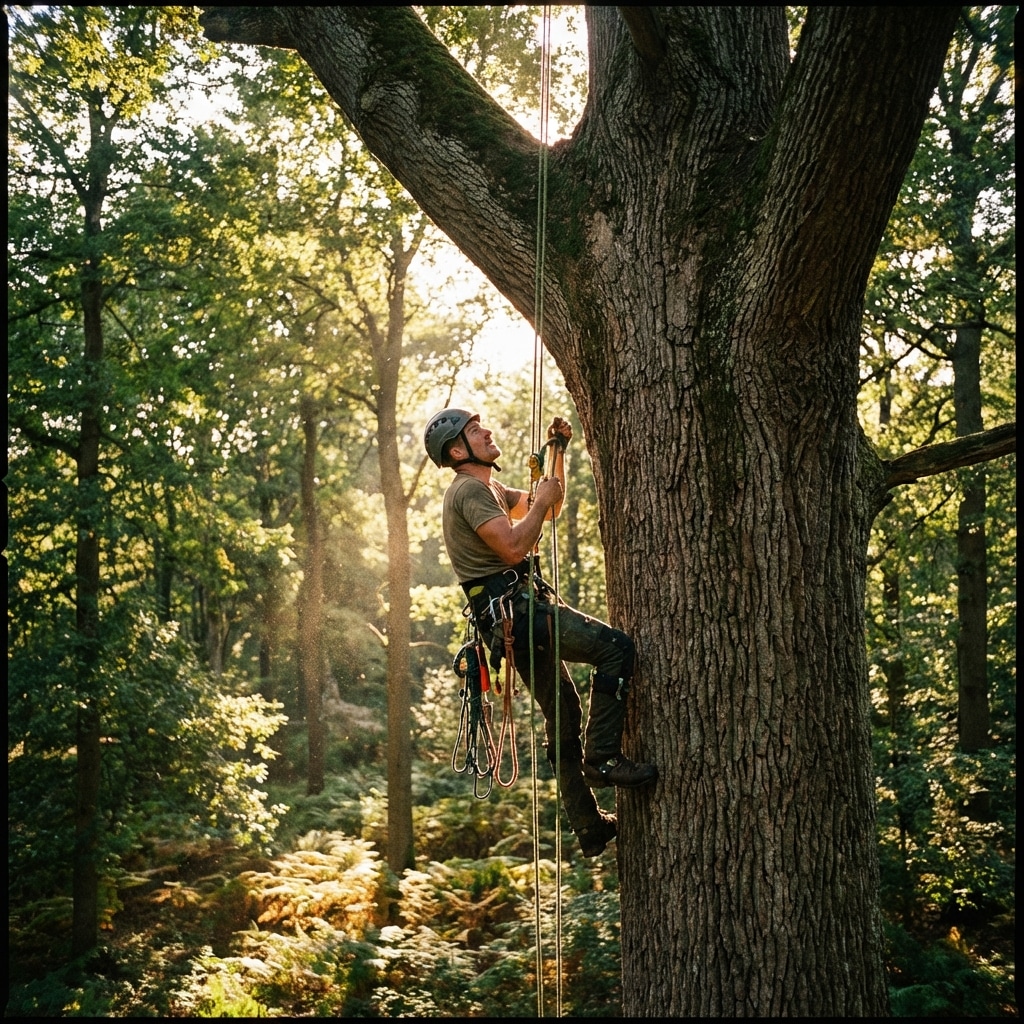
Imagine standing at the edge of a breathtaking cliff, the wind on your face, the thrill of adventure coursing through you. Whether you’re an experienced mountaineer or a budding outdoor enthusiast, the call of the wild is undeniable. But with exhilarating heights come critical safety considerations.
At the heart of every successful descent lies one indispensable tool: the abseiling rope. This isn’t just any piece of cordage; it’s your lifeline, meticulously engineered to protect you in some of the most demanding environments on Earth. In this guide, we’ll unravel everything you need to know about choosing, using, and maintaining this vital piece of gear, ensuring your next adventure is as safe as it is thrilling.
What is Abseiling (Rappelling)?
Abseiling, commonly known as rappelling in North America, is a controlled descent technique used to navigate steep cliffs, rock faces, or other vertical terrains that are too dangerous to descend unaided. Utilized by climbers, mountaineers, cavers, and rescue teams, it involves lowering oneself down a rope, typically with the aid of a belay device for friction and control.
This technique opens up new avenues for exploration and recovery, making it a cornerstone of vertical adventure. Mastering abseiling is essential for any serious outdoor enthusiast venturing into challenging terrain.
The Uncompromised Importance of Your Abseiling Rope
Your abseiling rope isn’t just a tool; it’s the fundamental component of your safety system. Unlike standard ropes, these are highly specialized pieces of equipment, engineered to withstand extreme forces, abrasive surfaces, and harsh weather conditions. Investing in the right rope and understanding its capabilities is paramount for preventing accidents and ensuring a secure descent every time.
Why Quality Matters Most
A high-quality abseiling rope is designed to meet rigorous safety standards, often certified by organizations like the UIAA (Union Internationale des Associations d’Alpinisme). These ropes are constructed from durable synthetic fibers, typically nylon, chosen for their strength and elasticity. This specialized construction allows them to absorb the dynamic forces of a fall, significantly reducing the risk of injury or equipment failure.
Types of Abseiling Ropes: Choosing Your Perfect Match
Not all ropes are created equal, and selecting the correct type is crucial for your specific activity. The two primary categories you’ll encounter are dynamic and static ropes, each with distinct characteristics and ideal applications.
Dynamic Ropes: For Absorbing Impact
Dynamic ropes are engineered with a degree of elasticity, allowing them to stretch under load. This stretch is vital for absorbing the energy of a sudden fall, softening the impact on both the climber and the anchors. They are the preferred choice for lead climbing and top-roping, where falls are anticipated and their ability to ‘give’ prevents harsh jerks.
Static Ropes (Low Elongation Ropes): For Controlled Descents & Hauling
In contrast, static ropes exhibit very little stretch, making them ideal for precise control during descents. This minimal elongation prevents the ‘bouncing’ sensation often associated with dynamic ropes, offering a smooth and efficient abseil. Static ropes are indispensable for abseiling, rescue operations, caving, hauling loads, and setting up fixed lines where sag is undesirable.
Critical Factors When Selecting Your Abseiling Rope
Choosing the right abseiling rope requires careful consideration of several key factors that directly impact performance, safety, and suitability for your intended use. Don’t rush this decision; your life literally depends on it.
Rope Length
The required length depends entirely on the height of your descent. A good rule of thumb is to ensure your rope is at least twice the length of the pitch you intend to rappel, allowing you to double it for descent and retrieval. Common lengths range from 30m to 70m, but specific adventures may require longer ropes.
Rope Diameter
Rope diameter typically ranges from 9mm to 11mm for abseiling. Thicker ropes (e.g., 10.5mm-11mm) offer greater durability, a higher breaking strength, and are easier to handle with many belay/rappel devices, though they are heavier. Thinner ropes (e.g., 9mm-9.8mm) are lighter and more compact, suitable for experienced users seeking to minimize pack weight, but require careful handling and device compatibility checks.
Rope Construction and Treatment
Beyond length and diameter, consider the rope’s construction and any special treatments. Most abseiling ropes feature a kernmantle design – a strong core (kern) protected by a durable sheath (mantle). Some ropes come with dry treatments, which make them water-resistant, crucial for ice climbing, mountaineering, or wet environments, and also enhance abrasion resistance.
Intended Activity
Always match your rope type to the specific activity. While static ropes are optimal for dedicated abseiling and hauling, some multi-pitch climbs might involve abseiling sections where dynamic ropes are still preferred for their primary climbing function. For pure rappelling, rescue, or fixed lines, static ropes offer superior performance and safety.
Essential Abseiling Rope Care and Maintenance
A rope is only as good as its condition. Proper care and maintenance are vital for extending its lifespan and, more importantly, ensuring your safety throughout countless adventures. Neglecting your rope is neglecting your safety.
Regular Inspection: Your First Line of Defense
Before and after every use, meticulously inspect your entire rope for any signs of damage. Look for cuts, abrasions, flat spots, unusual stiffness or softness, discoloration, or a fuzzy sheath. Pay close attention to the ends and sections that pass through belay devices, as these areas often show the first signs of wear.
Cleaning for Longevity and Performance
Dirt, grit, and sweat can degrade rope fibers over time, reducing their strength and flexibility. Clean your rope periodically using lukewarm water and a mild, non-detergent soap specifically designed for climbing gear. Hand washing in a bathtub or using a front-loading washing machine (without agitator, on a gentle cycle) is effective. Always air-dry the rope completely in a cool, shaded area, away from direct sunlight or heat sources.
Proper Storage: Protecting Your Investment
Store your rope coiled or flaked loosely in a dry, cool, dark place, away from chemicals (especially acids), petrol fumes, and direct UV light. Never store it on a concrete floor for extended periods, as chemicals can leach into the rope. A dedicated rope bag protects it from dirt and damage during transport and storage.
Knowing When to Retire Your Rope
Even with the best care, ropes don’t last forever. Factors like age (typically 5-10 years from manufacture, regardless of use), severe falls, significant sheath damage, or exposure to harsh chemicals warrant immediate retirement. If you ever have doubts about your rope’s integrity, err on the side of caution and replace it. Your life depends on it.
Conclusion: Descend with Confidence
The abseiling rope is more than just a piece of gear; it’s a testament to engineering designed for human safety in extreme environments. By thoroughly understanding its types, selecting the right one for your adventure, and committing to diligent care, you empower yourself to tackle vertical challenges with confidence and control.
Remember, informed preparation is the bedrock of every great adventure. Equip yourself wisely, respect your gear, and enjoy the unparalleled freedom of the descent. Happy rappelling!