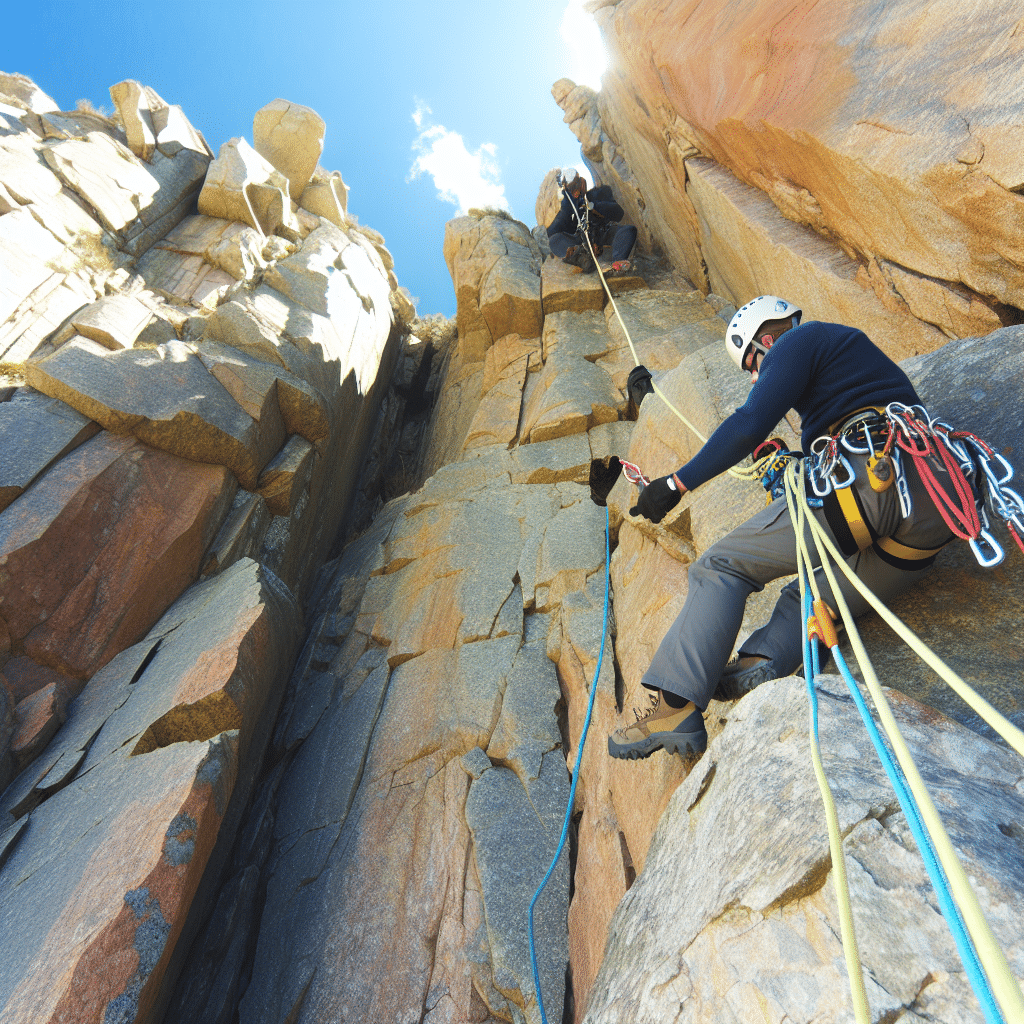
Do you crave the thrill of descending sheer rock faces, the wind in your hair, and an unparalleled sense of accomplishment? Abseiling, also known as rappelling, offers just that – an exhilarating vertical adventure. But beneath the adrenaline rush lies an absolute truth: safety isn’t just important; it’s paramount.
Ignoring fundamental abseiling safety procedures can turn an incredible experience into a dangerous ordeal. Whether you’re a seasoned climber or a curious beginner, understanding and meticulously following safety protocols is non-negotiable. This comprehensive guide will equip you with the essential abseiling safety knowledge to ensure every descent is as secure as it is thrilling.
Why Abseiling Safety is Non-Negotiable
Abseiling means intentionally placing yourself in a high-risk environment. You’re suspending yourself hundreds of feet above the ground, relying entirely on your gear, your technique, and your team. A single overlooked detail, a worn piece of equipment, or a moment of carelessness can have severe, even fatal, consequences.
Effective safety procedures are your insurance policy. They minimize the inherent risks, build confidence, and allow you to focus on the beauty of the sport. From ensuring reliable gear to mastering proper rappelling techniques, every step contributes to a safe and enjoyable descent.
Essential Abseiling Safety Procedures: Your Lifeline on the Descent
1. Rigorous Gear Checks: Your First Line of Defense
Your abseiling gear is quite literally what keeps you safe. Before every single descent, meticulously inspect every piece of equipment. Look for fraying on ropes and slings, cracks or deformities in carabiners and descent devices, and any signs of wear on your harness.
Ensure all gear, especially ropes, harnesses, and carabiners, meets UIAA (Union Internationale des Associations d’Alpinisme) or CE (Conformité Européenne) safety standards. Never use compromised or expired equipment. When in doubt, replace it.
2. Bombproof Anchor Systems: Building a Fortress
Your anchor is the foundation of your entire rappelling system. It must be absolutely secure and capable of holding multiple times your body weight. Always aim for redundant anchor systems, meaning two or more independent points are connected to distribute the load.
Utilize natural features like large, stable trees or robust rock formations, or rely on established bolted anchors. Before committing, thoroughly test the anchor system with your body weight to confirm its stability. Never underestimate the importance of a solid anchor in abseiling safety.
3. The Crucial “Buddy Check”: Trust Your Team
Before anyone goes over the edge, perform a thorough “buddy check” with your partner. This critical abseiling safety procedure involves a verbal and visual inspection of each other’s setup. Confirm harnesses are snug, buckles are doubled back, carabiners are locked, and the rope is correctly threaded through the descent device.
Check helmet fit and ensure gloves are worn. This simple, quick routine can catch potentially life-threatening errors that one might miss on their own.
4. Master Your Descent Device
Your descent device (e.g., an ATC, figure-8, or Grigri) is what controls your speed. Understand its proper threading and function implicitly. Practice using it in a safe, controlled environment until muscle memory takes over.
Always keep your brake hand on the rope below the device, ready to apply friction and stop your descent at any moment. Never let go with both hands.
5. Crystal Clear Communication: Speak Your Safety
Effective communication between team members is vital, especially when visual contact is limited. Use clear, standardized calls like “On Rappel” (ready to descend), “Rappelling” (currently descending), and “Off Rappel” (safely at the bottom).
Ensure everyone understands these signals to avoid misunderstandings that could lead to accidents. Always confirm messages before acting.
6. Environmental Awareness: Read the Terrain
Before you even begin to set up, assess the immediate environment. Look for potential hazards such as loose rocks that could dislodge, wet or slippery surfaces, and the presence of strong winds that might affect your balance.
Wear appropriate footwear with good grip and consider the weather forecast. If conditions are unfavorable, it’s always safer to postpone the descent.
7. Controlled and Smooth Descent
Maintain a steady, controlled pace throughout your descent. Avoid sudden jerks or uncontrolled slides. Keep your feet firmly planted on the rock face, using them to push off and maintain balance.
A controlled rappelling technique conserves energy, prevents rope burns, and significantly reduces the risk of injury. Remember, slow and steady wins the race when it comes to abseiling safety.
Beyond the Basics: Elevating Your Abseiling Safety
Professional Training & Certification
For both beginners and those looking to advance, taking an abseiling or climbing course from a certified instructor is invaluable. These courses provide hands-on experience, teach advanced techniques, and instill a deeper understanding of safety principles and rescue procedures.
Investing in professional training is one of the best ways to enhance your skills and overall safety.
Practice Makes Perfect (In a Controlled Setting)
Before tackling challenging vertical descents, dedicate time to practice on smaller, less exposed cliffs or purpose-built training walls. This allows you to fine-tune your technique, become intimately familiar with your gear, and build confidence without high-stakes pressure.
Know Your Limits & Progressive Skill Development
Never push beyond your current skill level or comfort zone. Abseiling is a sport of gradual progression. Start with easier descents and gradually increase the difficulty as your experience, strength, and confidence grow.
Attempting descents beyond your capabilities is a recipe for disaster and compromises all aspects of abseiling safety.
Regular Gear Maintenance & Retirement
Beyond pre-descent checks, regularly clean and store your abseiling gear properly. Ropes should be kept away from harsh chemicals and direct sunlight.
Understand the lifespan of your equipment and retire items, especially ropes and harnesses, after significant use, impact, or once they reach their manufacturer-recommended age limit, even if they appear fine.
Conclusion: Prioritize Safety, Maximize Thrills
Abseiling offers an incredible opportunity to connect with nature and push your personal boundaries. However, this thrill comes hand-in-hand with inherent risks that demand respect and careful preparation. By diligently following essential abseiling safety procedures, you’re not just protecting yourself; you’re ensuring the longevity of your passion.
From meticulously checking your gear and establishing bombproof anchors to maintaining clear communication and continuously learning, every safety step you take makes your vertical journey more secure. Embrace the adventure, but always prioritize safety. Because the greatest thrill is knowing you’ve descended confidently and returned safely, ready for your next vertical challenge.