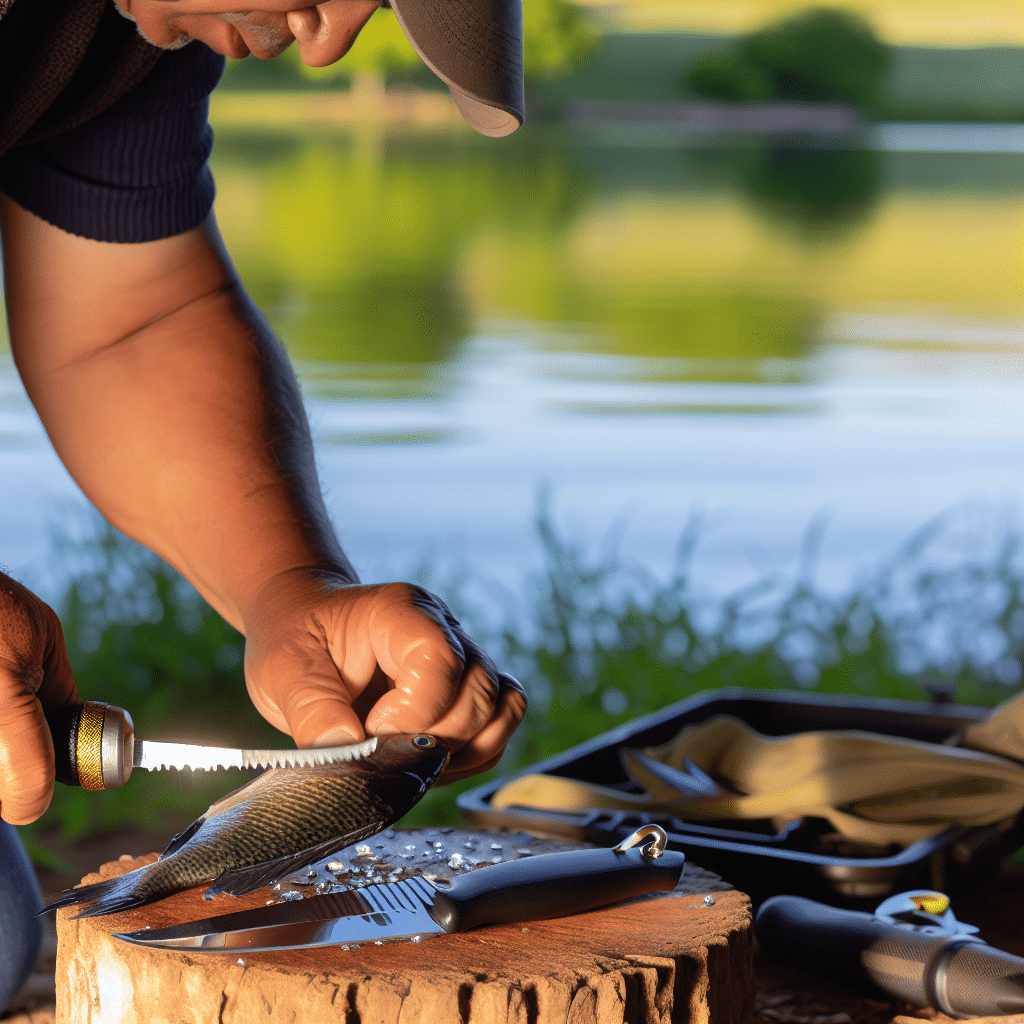
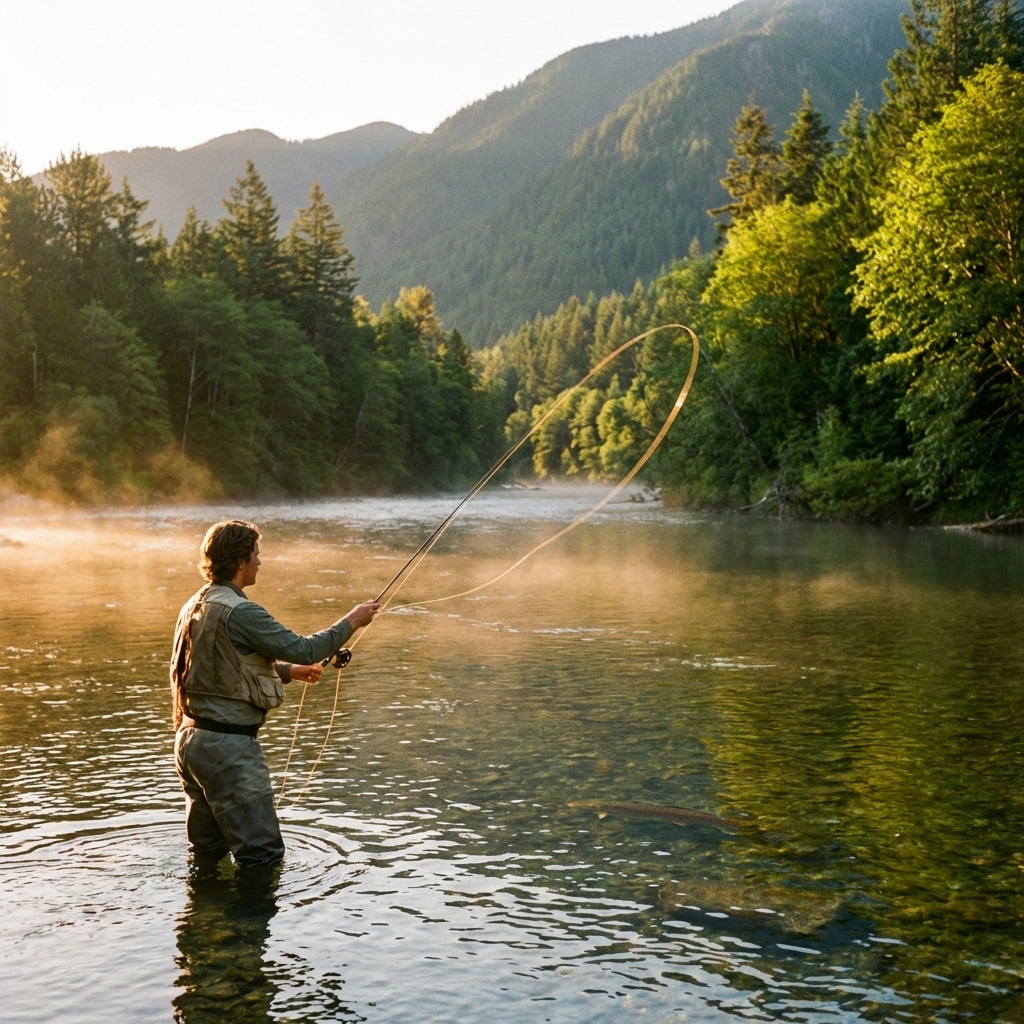
Do you dream of spending tranquil hours by the water, the sun on your face, and the thrill of a tug on your line? Angling is more than just a hobby; it’s an immersive experience that blends skill, patience, and a deep connection with nature. Whether you’re a seasoned pro looking to refine your technique or a complete beginner eager to cast your first line, this guide will unlock the secrets to successful angling.
We’ll transform you from an enthusiastic novice into a confident angler, ready to tackle any water. Get ready to master your gear, perfect your cast, and understand the subtle art of attracting your next catch.
What Exactly is Angling? Demystifying the Term
Angling is a specific, time-honored method of fishing. It involves using a fish hook, typically attached to a fishing line, which is then mounted on a fishing rod. The term “angling” itself refers to the distinctive angle of the hook against the line, a small detail that defines this popular pursuit.
This traditional approach offers a unique blend of challenge and reward, making it a favorite among fishing enthusiasts worldwide. It’s a sport that demands focus, strategic thinking, and a respect for the aquatic environment.
Angling vs. Fishing: A Subtle Yet Important Distinction
While often used interchangeably, “fishing” and “angling” aren’t quite the same. Fishing is a broad umbrella term encompassing all methods of catching fish, including netting, trapping, spearfishing, and more.
Angling, however, specifically refers to the art and sport of catching fish using a rod, line, and hook. It emphasizes the skill and technique involved in attracting and landing a fish, rather than mass harvesting. So, while all angling is fishing, not all fishing is angling!
Essential Angling Gear: Your Toolkit for Success
Before you even think about casting, having the right angling gear is paramount. Your equipment is an extension of your skill, directly influencing your success and enjoyment on the water.
Choosing Your Rod & Reel: Matching Gear to Your Target
Your rod and reel combination is the heart of your angling setup. It needs to be sturdy enough to handle your target species, yet lightweight enough for comfortable handling throughout your trip. Consider these factors:
Rod Length & Action: Longer rods offer greater casting distance, while shorter rods provide more leverage for fighting larger fish. “Action” refers to where the rod bends (fast, moderate, slow).
Rod Power: This indicates the strength of the rod – from ultralight for small fish to heavy for powerful species. Match it to the size of fish you plan to catch.
Reel Type: Spinning reels are beginner-friendly and versatile. Baitcasting reels offer greater precision for experienced anglers. Fly reels are specific to fly fishing.
Balance: A well-balanced rod and reel reduces fatigue and improves casting accuracy.
The Lifeline: Understanding Fishing Line Types and Strengths
The fishing line is your direct connection to the fish. Its type, strength, and visibility all play a critical role in your angling success.
Monofilament (Mono): Versatile, affordable, and easy to tie knots with. It has good stretch, which can act as a shock absorber.
Fluorocarbon (Fluoro): Nearly invisible underwater and very abrasion-resistant. It’s less stretchy and more sensitive than mono.
Braided Line: Extremely strong for its diameter, zero stretch for maximum sensitivity, and great for cutting through weeds. However, it’s highly visible and more expensive.
Always match your line’s weight (test strength) to your rod’s recommended specifications and the size of the fish you’re targeting. Too heavy, and you’ll spook fish; too light, and you risk snapping the line.
Hooks, Bait & Lures: What to Use and Why
Selecting the right hook, bait, or lure is crucial for enticing fish. Different species respond to different presentations.
Hooks: Vary in size, shape, and barb configuration. Choose a hook size appropriate for your bait and target fish’s mouth.
Live Bait: Worms, minnows, crickets – often irresistible to fish due to their natural movement and scent.
Artificial Lures: Designed to mimic prey, these include jigs, crankbaits, spinners, and soft plastics. They require active retrieval to simulate movement.
Must-Have Accessories for Anglers
Beyond the basics, a few accessories will significantly improve your angling experience:
Tackle Box: Keeps your hooks, weights, swivels, and lures organized.
Landing Net: Essential for safely landing larger fish, especially when practicing catch and release.
Pliers/Forceps: For safely removing hooks from fish.
First Aid Kit: Accidents happen, especially with sharp hooks.
Sun Protection: Hat, sunglasses, and sunscreen are vital for long days on the water.
Mastering the Cast: Precision and Technique
The essence of angling often begins with a well-executed cast. It requires precision, timing, and a solid understanding of your gear. A perfect cast places your bait exactly where you want it, quietly and efficiently.
Step-by-Step: Achieving the Perfect Angling Cast
While techniques vary by reel type, the fundamentals remain constant:
Preparation: Open your bail (spinning reel) or press the thumb bar (baitcasting reel). Let out 6-12 inches of line from the rod tip. Grip the rod comfortably with your dominant hand, thumb lightly on the line (spinning) or spool (baitcasting).
The Backward Motion: Bring the rod up and slightly back behind your shoulder in a smooth, fluid motion. The rod tip should load with energy as the bait swings behind you. Keep your eye on your target.
The Forward Snap: In one continuous motion, snap the rod forward towards your target. Release the line (spinning) or lift your thumb off the spool (baitcasting) as the rod reaches roughly the 10 o’clock position, allowing the weight of the bait to pull the line out.
Follow-Through: Point your rod tip towards where you want your bait to land. This guides the line and ensures accuracy. As the bait hits the water, gently close the bail or put your thumb back on the spool to stop the line.
Common Casting Mistakes to Avoid
Overpowering the Cast: Don’t try to muscle the rod; let the rod’s flex do the work.
Jerky Motions: Smooth, fluid movements are key to accuracy and distance.
Not Watching Your Target: Always focus on where you want the bait to land.
Incorrect Release Point: Releasing too early sends the bait high, too late sends it into the ground.
Beyond the Cast: Understanding Fish Behavior and Environment
True angling mastery extends beyond just casting. It involves understanding the complex world beneath the surface – how fish behave, where they hide, and what influences their activity.
Reading the Water: Where Do Fish Hide?
Fish are constantly seeking food, shelter, and optimal water conditions. Look for these prime locations:
Structure: Sunken logs, rock piles, weed beds, docks, and bridge pilings all offer cover and ambush points for fish.
Current Breaks: Fish often sit just out of strong currents, conserving energy while waiting for food to drift by.
Depth Changes: Drop-offs, ledges, and channels provide transition zones where fish move between shallow feeding areas and deeper, cooler retreats.
Shade: Especially on bright, sunny days, fish will seek shaded areas to escape direct sunlight.
The Impact of Weather and Time of Day
Environmental factors significantly influence fish activity:
Cloudy Days: Often excellent for fishing, as light penetration is reduced, making fish more active.
Overcast Conditions: Fish tend to be less spooky and may move into shallower water.
Rain: A light, steady rain can stimulate feeding as it washes insects and nutrients into the water. Heavy downpours can muddy the water and slow activity.
Time of Day: Dawn and dusk are typically prime feeding times for many species due to lower light and cooler temperatures.
Species-Specific Strategies
Different fish have different habits. Bass, for instance, are often found near structure, ambushing prey. Trout prefer clear, oxygenated water and are sensitive to subtle changes. Learning about the specific species you’re targeting will dramatically increase your chances of success. Research their preferred habitats, diets, and active periods.
The Angler’s Mindset: Patience, Persistence, and Enjoyment
Ultimately, angling is as much about mental fortitude as it is about skill. The “waiting game” is a significant part of the experience, and how you approach it can define your success and satisfaction.
Why Patience is Your Greatest Asset
Fish can be unpredictable, cautious, and slow to take the bait. Many beginner anglers become disheartened by periods of inactivity. However, mastering the art of patient waiting is crucial. It allows you to observe, adapt your strategy, and enjoy the tranquility of your surroundings. Remember, rushing often spooks fish and leads to frustration.
Embracing the Learning Curve: Every Trip is a Lesson
Angling is a lifelong journey of learning. Every trip, successful or not, offers valuable insights into fish behavior, water conditions, and your own techniques. Don’t be afraid to experiment with different baits, lures, and casting spots. Document what works and what doesn’t.
The true joy of angling isn’t just about the catch; it’s about the process – the anticipation, the challenge, the connection with nature, and the continuous refinement of your skills.
Conclusion: Your Angling Journey Begins Now
Mastering the art of angling is a rewarding endeavor that encompasses much more than just throwing a line into the water. It’s about meticulous preparation, precise technique, a deep understanding of the aquatic world, and, above all, the virtue of patience.
Whether you’re pursuing the serene relaxation of a quiet afternoon by the lake or the exhilarating challenge of landing a trophy fish, the principles outlined in this guide will serve as your foundation. So, arm yourself with the right gear, sharpen your skills, and step out onto the water. Every cast is an opportunity to learn, to connect, and to experience the profound joy that only angling can provide. Happy fishing!