The crisp morning air fills your lungs, and the gentle lapping of water whispers promises of adventure. You’re holding a fishing rod, eager to cast your line, but a flicker of uncertainty crosses your mind: Where do I even begin? The world of angling is vast and rewarding, yet for newcomers, it can feel like navigating uncharted waters.
Fear not, aspiring angler! This comprehensive guide is your compass, designed to demystify the essentials of angling and equip you with the knowledge to make your first fishing trips successful and incredibly fulfilling.
What Exactly is Angling?
At its core, angling is a time-honored method of catching fish using a hook, typically attached to a line and a rod. The word ‘angle’ itself refers to the hook, highlighting the fundamental tool in this engaging pursuit. It’s an art and a science, blending patience with technique to outsmart your aquatic prey.
Is Angling a Sport, a Hobby, or Both?
Angling beautifully blurs the lines between a tranquil pastime and a competitive sport. For many, it’s a peaceful hobby – a chance to connect with nature, de-stress, and enjoy the outdoors. However, competitive angling thrives globally, with participants vying for the largest catch, the most fish, or adherence to strict tournament rules. Whether you seek quiet contemplation or thrilling competition, angling offers a path for everyone.
Essential Angling Gear for Beginners
Embarking on your angling journey requires the right tools. While specialized gear can get complex, beginners can start with a few fundamental items. Understanding these basics is key to a positive first experience on the water.
The Dynamic Duo: Fishing Rod & Reel
The fishing rod and reel are the heart of your angling setup, available in various lengths, flexibilities, and materials to suit different fish and environments. As a beginner, opt for a versatile spinning combo – they are forgiving, easy to learn, and perfect for a wide range of fishing scenarios. Always seek advice from local tackle shop experts to match your gear to your specific fishing style and location.
The Crucial Connections: Line, Hook & Sinker
This trio is vital for presenting your bait and securing your catch. The fishing line connects your rod to your hook; monofilament lines are a popular choice for beginners due to their versatility, affordability, and ease of knotting. The fishing hook is designed to pierce the fish’s mouth, and various sizes and shapes exist for different species and baits. Finally, the sinker (or weight) helps cast your line further, sink your bait to the desired depth, and keep it stable in currents.
Enticing the Bite: Bait & Lures
The secret to attracting fish lies in what you offer them. Natural baits like worms, minnows, crickets, or maggots are often irresistible to fish, appealing to their natural instincts. Artificial lures, on the other hand, mimic prey through their shape, color, and movement, including spinners, crankbaits, jigs, and soft plastics. The best choice depends entirely on your target species and the water conditions.
Where to Cast Your Line: Top Angling Spots
Knowing where fish reside is as crucial as mastering your casting technique. Fish inhabit diverse aquatic environments, each offering unique angling opportunities. Understanding these differences will guide you to your perfect fishing spot.
Freshwater Angling Adventures
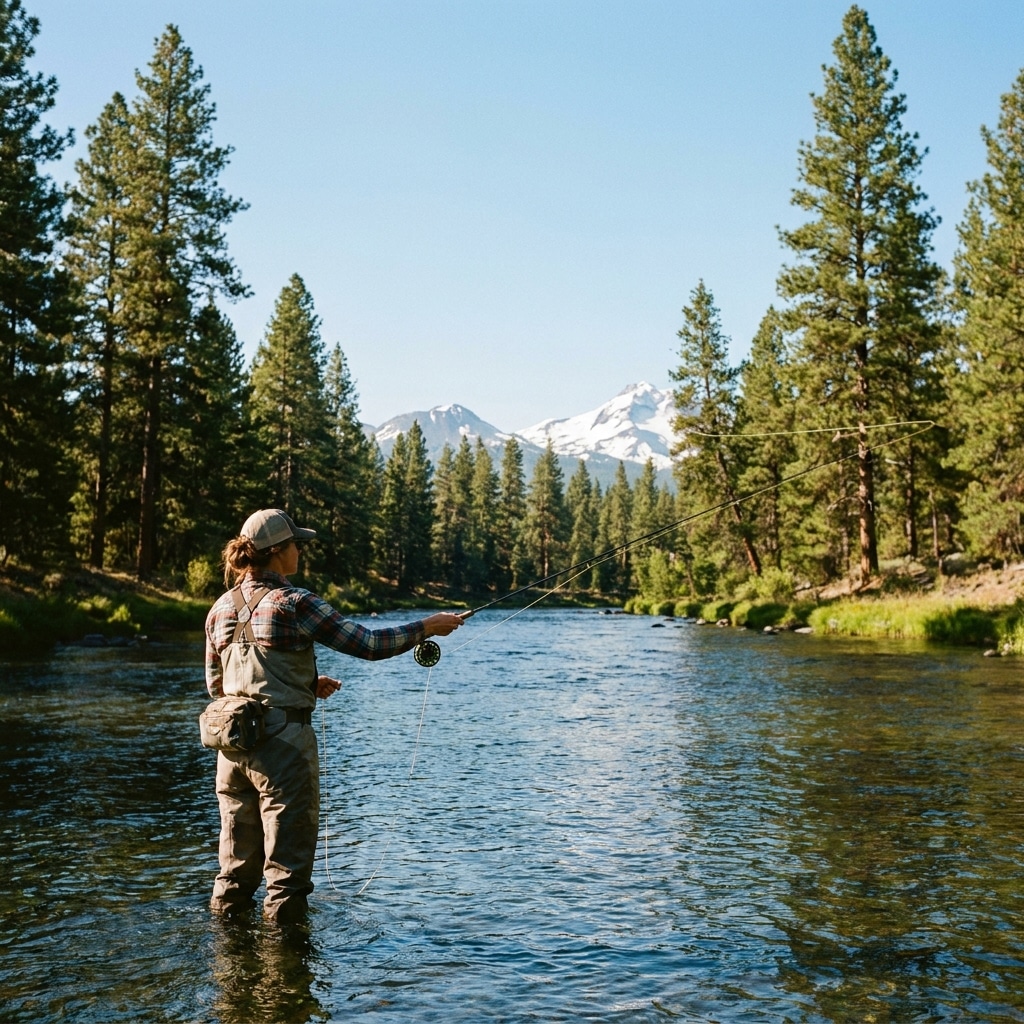
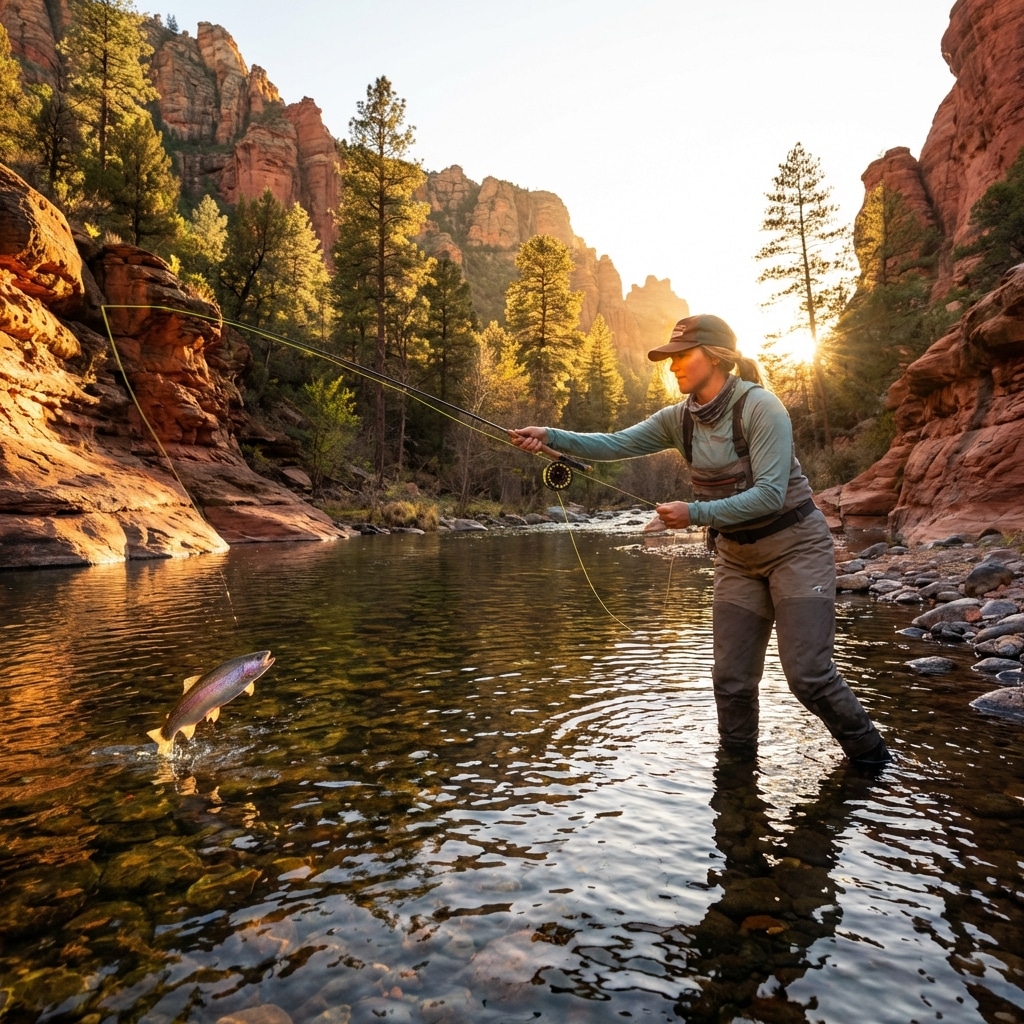
Freshwater fishing is often the perfect starting point for beginners. Lakes, rivers, ponds, and streams are teeming with species like trout, bass, catfish, and panfish. This environment typically requires less specialized equipment compared to saltwater, making it more accessible. Look for areas with cover like submerged logs, lily pads, or rocky structures, as fish often hide there.
The Thrill of Saltwater Angling
For those seeking a bigger challenge and a different array of species, saltwater (or sea) angling is incredibly rewarding. From coastal piers and beaches to deep-sea charters, oceans and estuaries offer flounder, cod, sea bass, redfish, and even sharks. Saltwater fishing often demands more robust gear due to the larger, stronger fish and corrosive environment, but the excitement of a powerful bite is unmatched.
Mastering Basic Angling Techniques
With your gear ready and location chosen, it’s time to learn how to present your bait effectively. While there are countless angling techniques, mastering a few basics will set you up for success and confidence on the water.
The Art of Casting
Casting is perhaps the most fundamental angling technique. It involves propelling your bait and line out into the water with a smooth, controlled motion, aiming for accuracy and a gentle landing. Practice makes perfect here, ensuring your bait lands where the fish are hiding. This technique is universally applicable, whether you’re fishing in a small pond or a vast ocean.
Simple Still Fishing
Often the most relaxing technique, still fishing involves simply casting your line and letting your bait sit in one spot, patiently waiting for a bite. This is fantastic for beginners, especially when using natural baits in ponds or slow-moving rivers. It emphasizes observation and patience, teaching you to feel the subtle tugs that indicate a fish is interested.
Trolling for Wider Reach
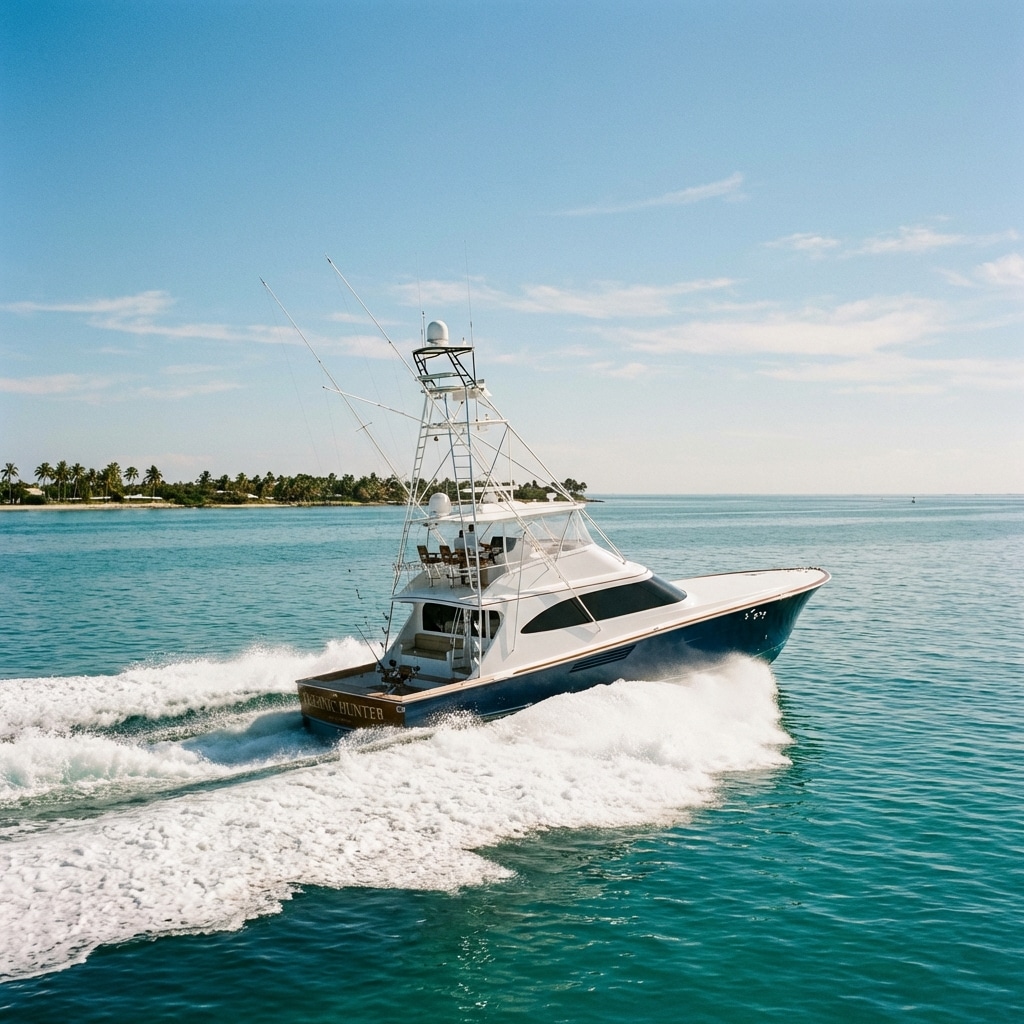
Trolling involves slowly moving a boat while trailing one or more baited lines behind it. This method covers a lot of water, making it excellent for searching out fish that are dispersed or actively feeding across a larger area. While popular in bigger lakes and marine environments, trolling can be adapted for various situations to target species like salmon, walleye, or various oceanic game fish.
Beyond the Catch: Angler’s Etiquette & Safety
While the thrill of the catch is paramount, responsible angling extends beyond just technique. Adhering to proper etiquette and safety measures ensures a positive experience for everyone and preserves our natural resources for future generations.
Respecting the Environment & Fellow Anglers
Always practice ‘Leave No Trace’ principles: pack out everything you pack in, including discarded lines and bait containers. Be mindful of noise levels and give fellow anglers ample space to enjoy their experience. Familiarize yourself with local fishing regulations, including catch limits and size restrictions, and obtain any necessary permits or licenses. Consider ‘catch and release’ practices, especially for protected species or when fishing purely for sport.
Prioritizing Your Safety on the Water
Safety should always be your top priority when angling. Wear a life jacket when boating, even in calm waters, and be aware of your surroundings, especially when casting near others. Carry a basic first-aid kit, stay hydrated, and protect yourself from the sun. Inform someone of your fishing plans, including your location and estimated return time, particularly when venturing into remote areas.
Angling is far more than just catching fish; it’s an immersive experience that sharpens your senses and connects you deeply with nature. With this comprehensive guide, you now have the fundamental knowledge to begin your journey. Embrace the learning process, enjoy the tranquility, and celebrate every cast, every nibble, and every catch. So grab your gear, find your spot, and let the incredible world of angling reel you in!