Do you love the idea of spending a quiet afternoon by the water, rod in hand, waiting for that tell-tale tug? Or perhaps you’ve heard the terms “fishing” and “angling” used interchangeably and wondered if there’s a difference. You’re not alone! Many people are curious about this popular pastime that connects millions with nature.
Angling is more than just catching fish; it’s a centuries-old tradition, a skill, and for many, a way of life. It’s an immersive outdoor activity that promises both relaxation and a thrilling challenge.
What Exactly is Angling?
At its core, **angling** is a specific method of recreational fishing that involves using a hook and line to catch fish. The word “angling” itself originates from the Old English word “angel,” meaning “hook,” perfectly describing its primary tool.
This distinct approach requires an angler to actively entice a fish to bite a baited or lured hook, relying on skill, patience, and often a bit of luck. It’s a precise and engaging activity enjoyed in various freshwater and saltwater environments across the globe.
Angling vs. Fishing: Clearing the Confusion
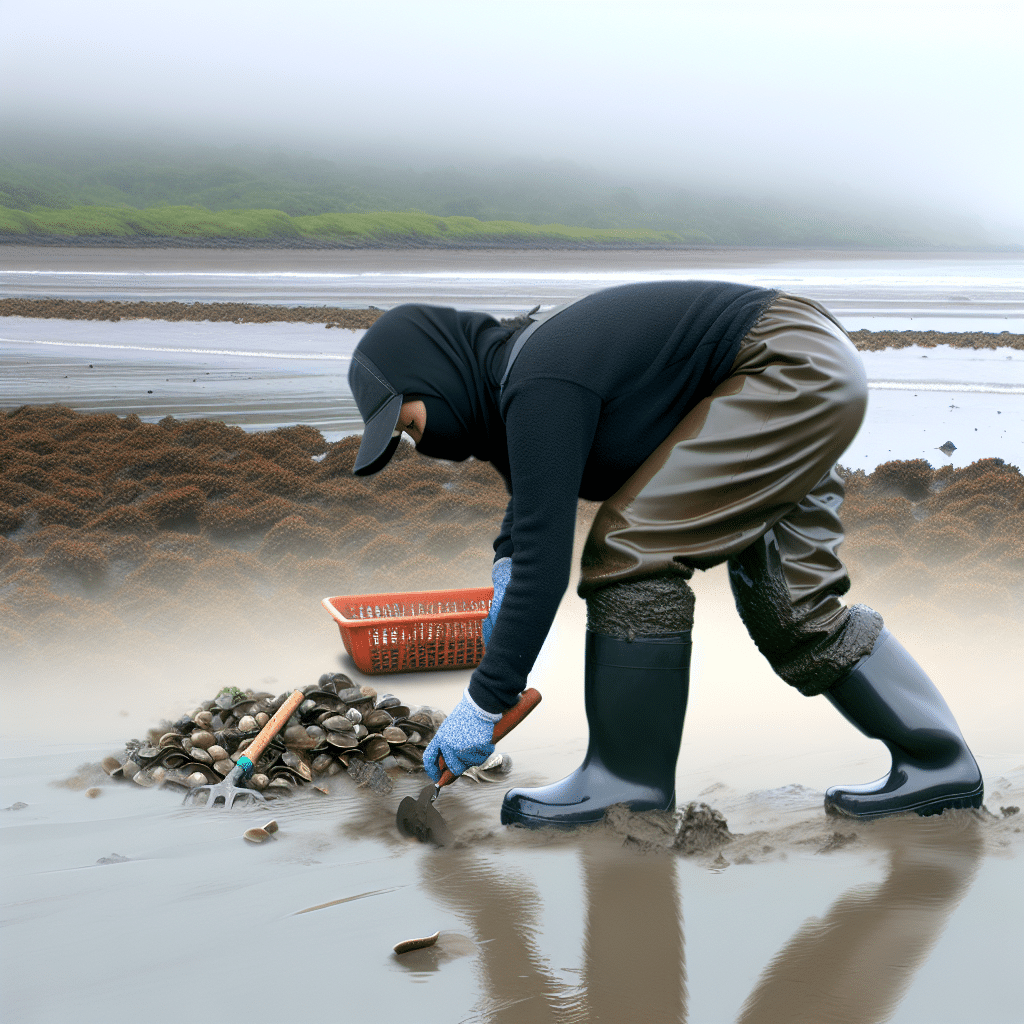
While often used synonymously, “angling” is actually a *type* of “fishing.” The term “fishing” is much broader, encompassing any method used to catch fish, aquatic animals, or even gather shellfish.
Think of it this way: all angling is fishing, but not all fishing is angling.
**Fishing** refers to any method of catching aquatic life, including commercial and recreational activities. This can involve nets, traps, harpoons, spear guns, and even bare hands.
**Angling** specifically refers to recreational fishing using a hook (an “angle”) attached to a line, typically with a rod and reel.
Therefore, while fly fishing is a form of angling, bowfishing—which uses a bow and arrow—is a form of fishing, but not angling by its strict hook-and-line definition. This distinction helps clarify the different techniques involved in the pursuit of fish.
Popular Methods of Angling
Within the realm of hook-and-line fishing, several popular methods cater to different fish species, environments, and angler preferences. Each requires unique gear and techniques.
Rod and Reel Angling
This is arguably the most common and versatile form of angling. It involves a fishing rod, a reel to manage the line, and various baits or lures. It’s suitable for catching a vast array of fish in diverse settings like lakes, rivers, and oceans.
Fly Fishing
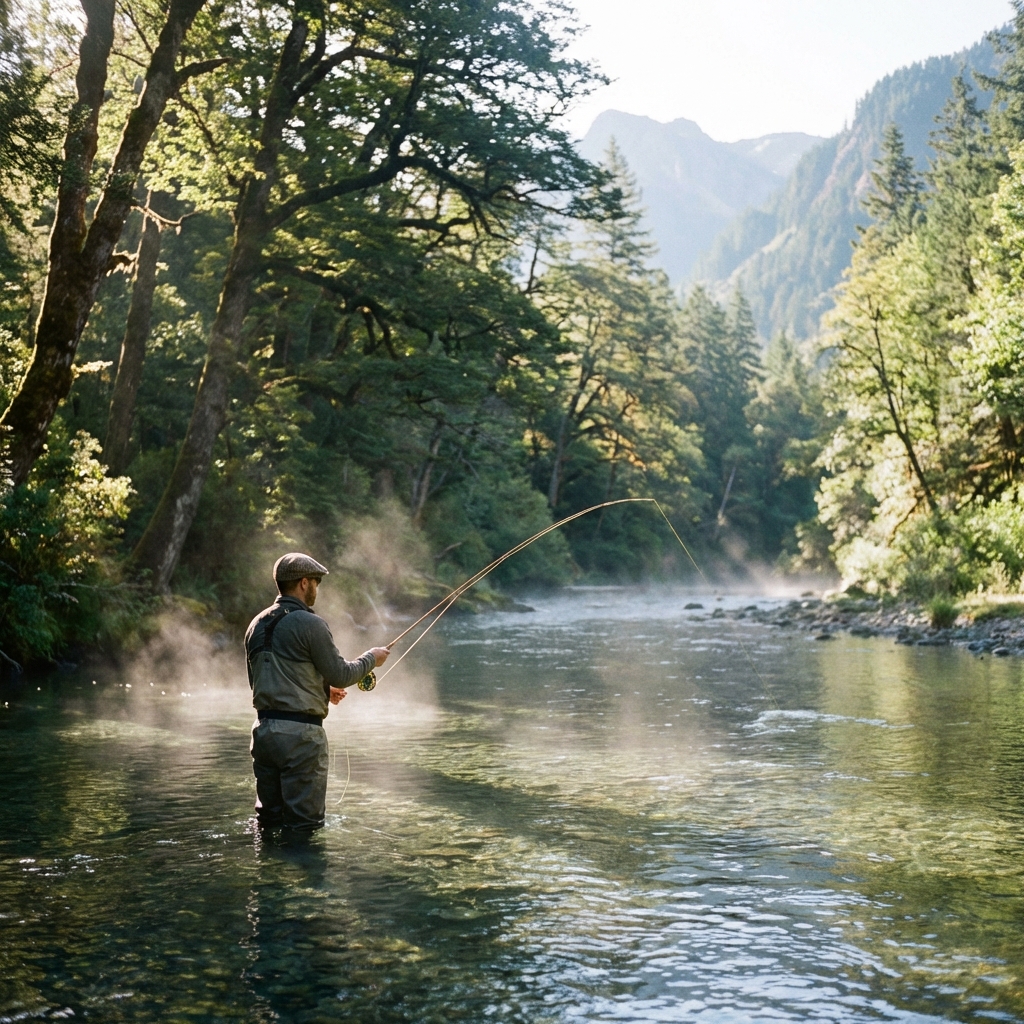
A highly specialized and artistic form of angling, fly fishing uses a lightweight “fly” lure that mimics insects. Anglers use a heavy line to cast these light flies, often targeting trout, salmon, and other game fish in streams and rivers.
Ice Fishing
In colder climates, ice fishing involves cutting a hole in frozen bodies of water and dropping a line through it. This method requires specialized gear for extreme conditions and often targets species like perch, pike, and walleye.
Why Millions Embrace Angling
Angling is a remarkably popular hobby, with millions of enthusiasts worldwide. Its appeal is multifaceted, offering a unique blend of experiences and benefits:
**Relaxation and Stress Relief:** The tranquil setting by the water, the rhythmic casting, and the quiet anticipation all contribute to a calming, meditative experience that helps reduce stress.
**Connection with Nature:** Angling offers a direct way to engage with the natural world, observing wildlife and appreciating the serenity of lakes, rivers, and coastal areas.
**Challenge and Skill Development:** From mastering casting techniques to understanding fish behavior, angling presents a continuous learning curve and satisfying challenges.
**Camaraderie and Social Bonding:** It’s a fantastic activity to share with friends and family, creating lasting memories and fostering a sense of community among fellow anglers.
**Sustainable Food Source:** For many, angling is also about harvesting fresh, healthy food in a responsible and often sustainable manner.
What Can You Catch While Angling?
Anglers can target an incredible variety of fish species, depending on their location, chosen angling method, and bait. Popular freshwater targets include salmon, trout, bass, catfish, walleye, and pike.
In saltwater, common catches range from snook and redfish to tuna and marlin. The key is understanding local fish populations, their habits, and what bait or lure will attract them most effectively.
Getting Started: Your Angling Journey
Curious about taking up angling? It’s an accessible hobby, but like any skill, it benefits from a little preparation and practice.
Is Angling Difficult for Beginners?
Angling can present a learning curve for beginners, but it’s far from insurmountable. Mastering casting, choosing the right bait, and understanding fish habitats takes time and experience. However, with readily available resources, local tackle shops, and experienced mentors, anyone can become a proficient angler with practice.
Do You Need a License to Angle?
In most regions, yes, a fishing license is required for angling in public waters such as rivers, lakes, and oceans. These licenses help fund conservation efforts and manage fish populations. Always check with your local state or provincial wildlife authority for specific regulations and licensing requirements in your area.
Is Angling Expensive?
Angling can be as affordable or as luxurious as you make it. You can start with a very modest budget, acquiring a basic rod, reel, line, and a few essential tackle items and bait from a local sporting goods store. As you become more invested, you might choose to upgrade your gear, but the initial investment is typically quite low.
Angling Through the Ages: A Brief History
Angling is far from a modern invention. It’s an ancient practice that dates back to prehistoric times, with archaeological evidence suggesting early humans used sharpened bones, shells, and stones as hooks.
Over millennia, angling evolved, with advancements in hook design, line materials, and rod construction. The basic premise, however, remains timeless: the pursuit of fish with a hook and line has connected humans to their environment for thousands of years.
Is Angling a Sport?
While primarily enjoyed as a recreational activity, angling definitely has a competitive side. There are numerous angling tournaments held globally, attracting skilled participants who compete for prizes based on the size, weight, or number of fish caught. These events often require immense skill, strategy, and endurance, elevating angling to a competitive sport.
Important Considerations for Anglers
To ensure a safe, enjoyable, and responsible angling experience, keep these points in mind:
Rules and Regulations
Beyond licenses, most areas have specific regulations regarding catch limits (number and size of fish), specific seasons for certain species, and prohibited baits or fishing methods. Always respect these rules to protect fish populations and the environment.
Safety While Angling
Angling, while relaxing, requires awareness. Be mindful of weather conditions, water currents, slippery banks, and local wildlife. Always wear appropriate safety gear, like life vests when boating, and be prepared for unexpected situations.
Best Time to Angle
The “best” time to angle is highly dependent on your target fish species and location. Some fish are more active at dawn or dusk, while others prefer certain temperatures or seasons. Consulting local fishing reports or bait shops can provide valuable insights for your specific area.
Ready to Cast Your Line?
Angling offers a unique blend of adventure, tranquility, and the satisfaction of a successful catch. Whether you’re seeking a peaceful escape, a new challenge, or a way to connect with friends and family outdoors, angling provides an enriching experience. So grab your rod, find your nearest body of water, and discover the timeless joy of angling for yourself!