Ever stood by the water, reeling in a catch, and felt that perfect synergy between angler, rod, and fish? It’s a feeling every fishing enthusiast chases. At the heart of this connection lies the angling rod – far more than just a stick and a string. It’s the precision tool that amplifies your skills and brings the thrill of the chase to life.
But with countless options available, choosing the right fishing rod can feel overwhelming. Whether you’re a seasoned pro or just casting your first line, understanding the nuances of these essential tools is key to unlocking your full potential on the water. This guide will demystify the world of angling rods, helping you make an informed choice for your next fishing adventure in 2025 and beyond.
What Exactly Is an Angling Rod, and Why Does it Matter?
An angling rod is a long, flexible pole designed to cast a fishing line, lure, or bait, and then effectively battle and land a fish. Traditionally, these essential pieces of fishing equipment were simple bamboo or wooden poles. Today, they are marvels of engineering, crafted from advanced materials like fiberglass, graphite, or composite blends.
The rod acts as an extension of your arm, providing the leverage and sensitivity needed to detect subtle bites. It also absorbs the shock of a struggling fish, preventing your line from breaking and ensuring a successful catch. Without the right angling rod, your fishing success and enjoyment would be significantly limited.
Navigating the Waters: Types of Angling Rods for Every Adventure
The world of fishing is incredibly diverse, and so are the types of angling rods designed for it. Each rod type is optimized for specific fishing techniques, environments, and target species. Understanding these differences is crucial for selecting the best fishing rod for your needs.
Spinning Rods: The Versatile All-Rounder
Spinning rods are perhaps the most popular choice, especially among beginners, due to their ease of use and versatility. They are designed to be paired with spinning reels, which hang beneath the rod. These rods excel at casting lighter lures and baits over good distances, making them ideal for both freshwater fishing and lighter saltwater applications.
Casting Rods: Power and Precision for Advanced Anglers
Casting rods are designed for use with baitcasting reels, which sit on top of the rod. They offer superior accuracy, power, and control, especially when targeting larger fish or casting heavier lures. While they have a steeper learning curve, experienced anglers appreciate their ability to handle heavy lines and deliver precise presentations.
Fly Rods: The Art of Imitation
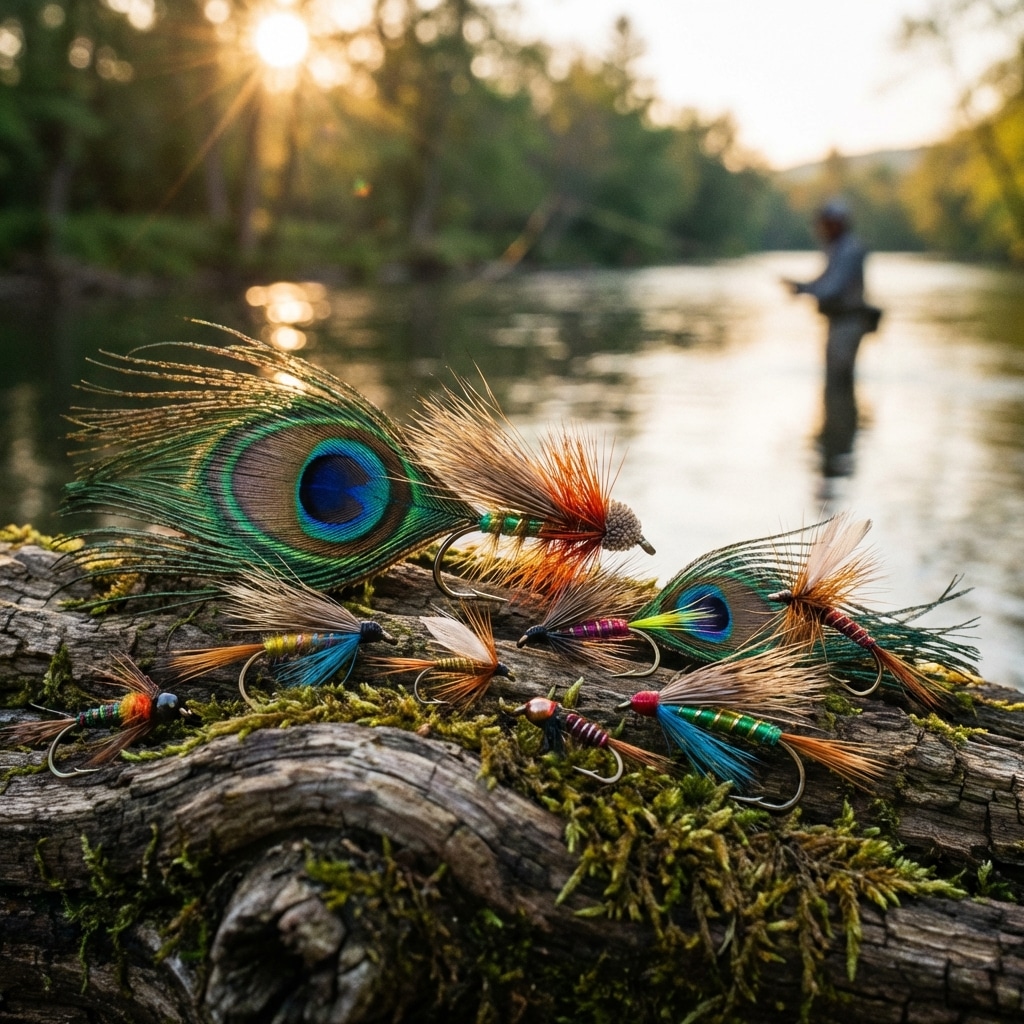
Fly rods are a specialized category, distinct from other fishing rods in their design and technique. Used exclusively for fly fishing, these longer, more flexible rods are designed to cast a weighted line, which in turn carries a nearly weightless artificial “fly.” Fly fishing is often considered an art form, mimicking insects and small prey to entice fish.
Surf Rods: Conquering the Coastline
Specifically engineered for beach casting, surf rods are exceptionally long and robust. Their extended length allows anglers to cast heavy baits and rigs far beyond the breaking waves, reaching fish that feed in deeper waters. They are built to withstand the harsh conditions of the surf and handle powerful saltwater species.
Anatomy of Success: Key Features and Components of Your Fishing Rod
Understanding the various features and components of an angling rod empowers you to select one that perfectly matches your fishing style and target. It’s not just about the type; it’s about the detailed specifications that impact performance.
Rod Length: Reach, Control, and Power
Longer Rods (7+ feet): Excellent for casting over long distances, ideal for open water, surf fishing, or when needing to cover a lot of water. They also provide greater leverage for fighting bigger fish.
Shorter Rods (Under 7 feet): Offer better control and accuracy for precise casting in tight quarters, like heavy cover or small streams. They are also more maneuverable for boat fishing or finesse techniques.
Rod Action: Feel the Bite, Set the Hook
“Rod action” describes where the rod bends when pressure is applied to its tip. This characteristic dictates how sensitive the rod is and how quickly it can set a hook.
Fast Action: Bends mostly at the tip. Offers maximum sensitivity for detecting subtle bites and provides quick, powerful hook sets.
Moderate Action: Bends from the middle to the tip. A versatile choice, offering a balance of sensitivity and forgiveness, great for a variety of lures and fish.
Slow Action: Bends throughout the entire length of the rod. Provides a more parabolic bend, ideal for casting lightweight lures and protecting light lines.
Rod Power (Weight): Matching Strength to Your Catch
Rod “power” or “weight” refers to the amount of force required to bend the rod. It dictates the line weight and lure weight a rod is designed to handle, directly correlating to the size of fish it can effectively fight.
Light/Ultralight: Best for smaller fish (panfish, trout) and ultralight lines/lures, offering maximum sport.
Medium/Medium-Heavy: The most versatile power, suitable for a wide range of freshwater and light saltwater species.
Heavy/Extra-Heavy: Designed for large, powerful fish (catfish, tuna, pike) and heavy lines/lures.
Material Matters: Fiberglass, Graphite, and Composites
Fiberglass Rods: Known for their incredible durability and flexibility, making them forgiving and excellent for beginners or specific techniques like crankbait fishing. They are generally heavier and less sensitive.
Graphite Rods: Lightweight, highly sensitive, and provide superior feedback, allowing anglers to feel even the slightest nibble. Ideal for experienced anglers seeking precision and quick hook sets.
Composite Rods: A blend of fiberglass and graphite, offering a balanced combination of durability, sensitivity, and flexibility. This makes them a versatile choice for various fishing conditions.
Other Critical Components: Guides, Handle, and Reel Seat
Beyond the blank itself, several other components play a vital role in an angling rod’s performance. The rod guides, typically made from ceramic or stainless steel, facilitate smooth line flow and reduce friction. The handle, often cork or EVA foam, provides comfort and grip during long fishing sessions. Finally, the reel seat securely fastens your fishing reel to the rod, ensuring a stable connection.
Making the Perfect Catch: Choosing Your Ideal Angling Rod
Now that you’re equipped with a deeper understanding of fishing rod types and features, making your selection becomes much clearer. Consider these factors to pinpoint the perfect rod for your angling ambitions.
Target Species: Are you after small panfish, aggressive bass, or powerful saltwater giants? Your target dictates the necessary rod power and action.
Fishing Environment: Will you be fishing in tight, brushy streams, expansive lakes, or the open ocean? This affects your ideal rod length and material.
Preferred Technique: Do you enjoy casting lightweight lures, jigging, trolling, or fly fishing? Each technique benefits from a specific rod design.
Experience Level & Budget: Beginners might prefer a more forgiving fiberglass composite rod, while experts might invest in high-modulus graphite. Match your rod to your skill and financial comfort.
Remember, a well-chosen angling rod is always complemented by the appropriate reel and fishing line. These three components work in harmony to create a balanced setup that enhances your casting, presentation, and fighting ability.
Conclusion: Your Rod, Your Adventure
The angling rod is undeniably the cornerstone of your fishing success and enjoyment. It’s the primary interface between you and the underwater world, translating subtle movements and powerful struggles into an unforgettable experience. By understanding the diverse types of fishing rods, their unique features, and how they interact with different fishing techniques, you can elevate your game.
Armed with this knowledge, you’re now ready to confidently choose the right angling rod that will be your steadfast companion. Go ahead, make an informed choice, and embark on countless thrilling fishing adventures, knowing your rod is perfectly suited for the task.