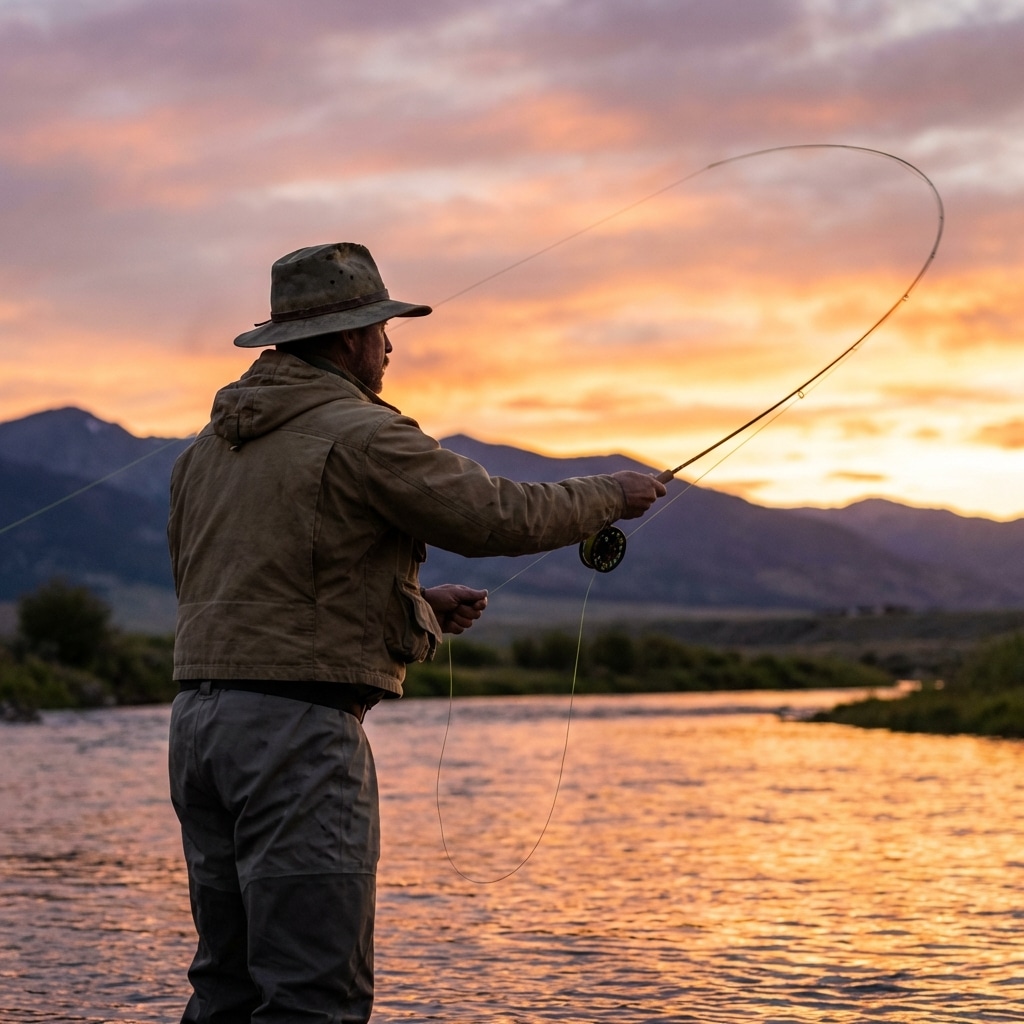
For many anglers, the pursuit of the perfect catch is an art form—a blend of skill, patience, and choosing the right tools. While artificial lures have their place, there’s one timeless bait that consistently delivers results: the humble angling worm. These wriggly wonders are nature’s perfect fish magnet, drawing in a vast array of species with their irresistible natural appeal.
But what makes angling worms so incredibly effective, and how can you leverage their power to dramatically boost your success on the water? This comprehensive guide dives deep into everything you need to know about selecting, preparing, and using angling worms, ensuring your next fishing trip is your most productive yet.

Why Angling Worms Remain the Undisputed Champion Bait
In a world of high-tech fishing gear, the simple angling worm continues to outperform many other options. Their universal appeal isn’t just a myth; it’s rooted in biology and pure practicality.
Irresistible Natural Scent and Movement
Angling worms are a natural part of many fish species’ diets. Their distinct earthy scent, combined with their lively, wriggling movements, mimics struggling prey. This triggers an instinctual predatory response in fish, making them an almost guaranteed strike.
Unmatched Versatility Across Species and Waters
From freshwater bass and trout to saltwater perch and flounder, angling worms attract a phenomenal range of fish. They perform exceptionally well in various environments, whether you’re fishing in murky rivers, clear lakes, or coastal waters, adapting to almost any condition.
Cost-Effective and Readily Available
Compared to expensive artificial lures or specialized live baits, worms are incredibly economical. You can easily purchase them from local bait shops, find them online, or even cultivate your own, making them a sustainable and budget-friendly choice for every angler.
Decoding the Best Angling Worms for Your Next Catch
Not all worms are created equal! Understanding the characteristics of different angling worms can significantly impact your fishing success.
Nightcrawlers: The Big Bait for Big Fish
- Description: Large, robust, and highly active, nightcrawlers are the giants of the bait worm world.
- Best For: Ideal for targeting larger freshwater species like bass, catfish, northern pike, and walleye. Their size makes them a substantial meal.
- Tip: Their wriggling action is highly visible, even in low light or murky water, making them effective for diverse conditions.
Red Wigglers: Energetic Attractors for Smaller Species
- Description: Smaller, thinner, and famously energetic, red wigglers are known for their vibrant color and constant motion.
- Best For: Excellent for panfish such as trout, perch, bluegill, and crappie. Their lively wriggling is irresistible to smaller mouths.
- Tip: They release a distinct musk that further entices fish, adding an extra layer of attraction to your presentation.
Mealworms: The Durable Alternative (Beyond True Worms)
- Description: While not technically worms (they’re beetle larvae), mealworms are a popular and effective bait due to their tough exoskeleton.
- Best For: Perfect for small panfish, trout, and even ice fishing. Their durability means they stay on the hook longer, especially in swift currents.
- Tip: They’re easy to keep and transport, making them a convenient backup bait for any fishing trip.
Mastering Worm Care: Storage, Preparation, and Hooking Techniques
To maximize the effectiveness of your angling worms, proper care and presentation are crucial. Live, healthy worms attract more fish!
Keeping Your Bait Lively: Optimal Storage Solutions
Store your worms in a cool, dark environment, ideally between 40-50°F (4-10°C), like a refrigerator or a specialized bait cooler. Use a breathable container filled with damp, rich bedding such as peat moss, shredded newspaper, or commercial worm bedding. Ensure the bedding stays moist but not waterlogged, and replace it periodically to keep worms fresh and vital.
The Art of the Hook: Maximizing Presentation
How you hook a worm makes a huge difference. The goal is to keep it alive and wriggling while securely attached to the hook. Here are a few methods:
- Threaded: Push the hook through the worm’s body multiple times, leaving a tail end free to wriggle. This provides a natural, elongated presentation and ensures the worm stays on.
- Wacky Rig: Hook the worm once through the middle, allowing both ends to dangle and twitch freely. This creates maximum action and appeal for aggressive fish.
- Through the Head: For smaller worms or quicker presentation, simply hook through the tough collar near the head. This keeps the worm alive and active.
Pro Tip: Cutting & Combining Worms
For larger worms like nightcrawlers, cutting them into smaller sections can be highly effective. This creates multiple baits, often appealing more to smaller fish, and releases additional scent into the water. You can also combine different worm types on a single hook for a unique presentation.
Reel In Success with the Humble Angling Worm
Angling worms are more than just a classic bait; they’re a testament to nature’s perfect design for enticing fish. Their unparalleled natural appeal, versatility, and cost-effectiveness make them an indispensable tool in any angler’s tackle box.
By understanding the different types of worms, mastering their care, and perfecting your hooking techniques, you’re not just throwing a line; you’re setting yourself up for a truly successful fishing expedition. So, grab your gear, prepare your worms, and get ready to experience the thrill of the catch!