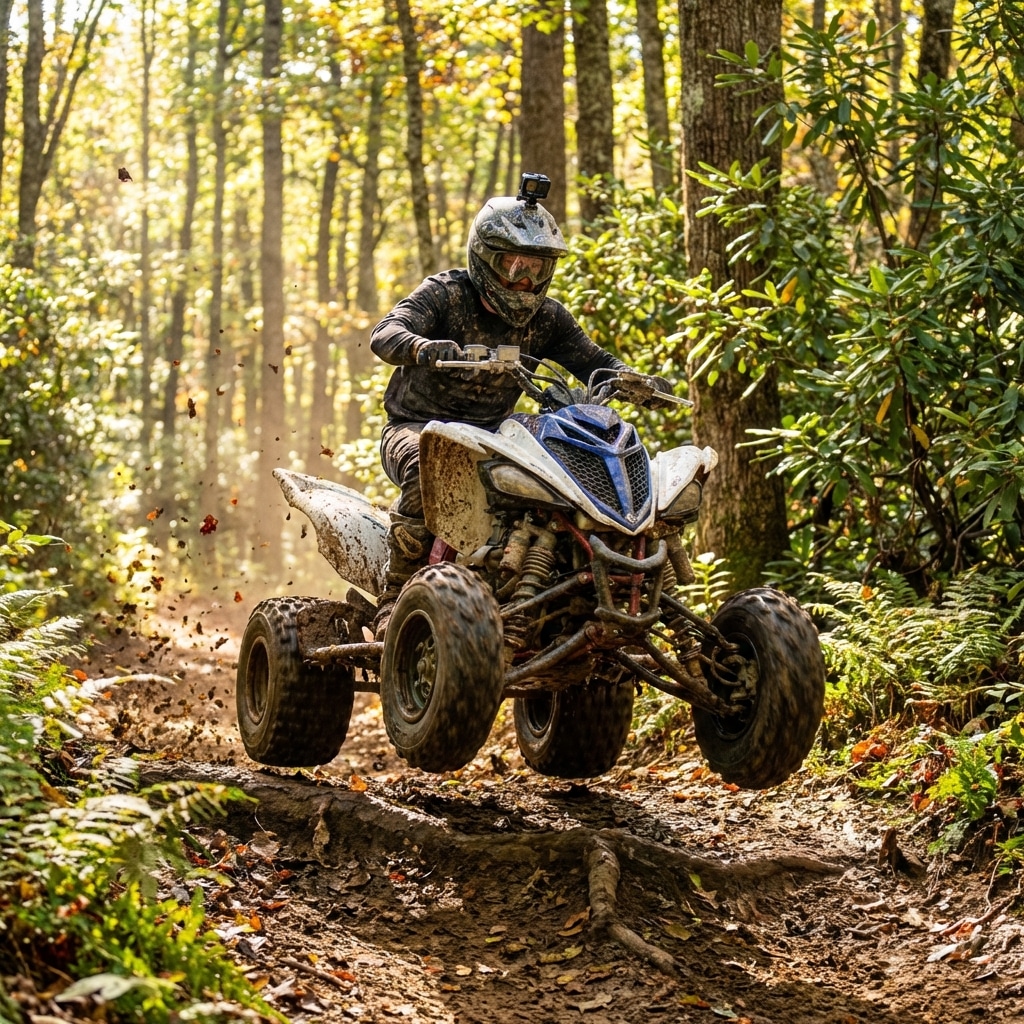
The roar of the engine, the wind in your face, the untamed trail stretching before you – off-roading on an All-Terrain Vehicle (ATV) delivers an unparalleled rush of adrenaline and freedom. It’s an adventure sport that captivates thousands, promising excitement around every bend. But beneath that thrilling exterior lies an undeniable truth: ATV riding comes with inherent risks. This isn’t about fear-mongering; it’s about smart preparation.
Among all the crucial safety gear, one item stands head and shoulders above the rest in terms of importance: the ATV riding helmet. It’s not just a recommendation; it’s a non-negotiable life-saver. Whether you’re a seasoned trail boss or just getting started, understanding *why* a quality ATV helmet is indispensable can literally be the difference between a memorable adventure and a devastating one.
Why Your Head Needs Superior Protection on the Trails
Guarding Against Traumatic Brain Injuries (TBIs)
The primary function of an ATV helmet is straightforward: to protect your brain. High speeds, unpredictable terrain, and the dynamic nature of off-roading mean falls and collisions are always a possibility. A helmet is engineered to absorb impact energy, distributing the force across a wider area and significantly reducing the risk of severe head injuries, including concussions and traumatic brain injuries (TBIs) that can have long-lasting effects.
Legal Mandates and Personal Responsibility
Beyond personal safety, many regions and states have strict laws mandating helmet use for ATV riders. Non-compliance often leads to hefty fines, legal penalties, or even the impounding of your vehicle. Adhering to these regulations isn’t just about avoiding trouble; it’s about exercising fundamental responsibility for your own well-being and setting a positive example for others on the trails.
Shielding from Environmental Hazards
ATV trails are rarely pristine. You’ll encounter dense foliage, flying debris, kicked-up rocks, branches, and insects. A robust ATV helmet acts as a vital shield, protecting your face and head from these external threats. It also offers crucial protection from harsh sun, strong winds, and sudden rain, enhancing your comfort, focus, and overall riding experience.
Choosing the Right Shield: What to Look for in an ATV Helmet
This is where safety truly begins. Always look for helmets certified by reputable organizations. The Department of Transportation (DOT) certification is a legal minimum in the U.S. for on-road use, but it’s a good baseline for off-road too. The Economic Commission for Europe (ECE) 22.05/22.06 offers even more stringent testing, while the Snell Memorial Foundation provides the most rigorous, race-level safety standards. These certifications ensure the helmet has passed extensive impact, penetration, and retention tests.
Advanced Materials for Maximum Impact Absorption
Modern ATV helmets leverage cutting-edge materials for optimal protection without excessive weight. Common outer shells include polycarbonate (cost-effective, durable), fiberglass (strong, lightweight), and carbon fiber (lightest, strongest, premium). Inside, an expanded polystyrene (EPS) liner crushes upon impact, absorbing and dispersing energy to protect your head.
The Perfect Fit: Comfort Meets Security
A helmet that doesn’t fit correctly is a dangerous helmet. It should feel snug all around your head, without painful pressure points, yet not so loose that it wiggles when you shake your head. Look for adjustable chin straps and removable, washable padding that allows for a customized fit. Proper ventilation systems are also key for long rides, preventing discomfort and fogging.
Enhancing Your Ride: Beyond Basic Protection
Today’s ATV helmets offer a wealth of features that elevate your riding experience:
Integrated Visors/Goggles: Essential for eye protection from dust, debris, sun, and wind.
Communication Systems: Built-in Bluetooth allows you to stay connected with fellow riders or make calls safely.
Ventilation Systems: Multiple intake and exhaust vents keep you cool and reduce fogging.
Moisture-Wicking Liners: Keep sweat away, enhancing comfort during intense rides.
Decoding ATV Helmet Types: Which One is Right for You?
Different riding styles and environments call for different helmet designs. Understanding the common types helps you choose the best fit for your adventure:
Off-Road/Motocross Helmets: The Standard for ATVs
Characterized by an elongated chin bar for face protection and a prominent visor to shield from roost and sun glare, these helmets are designed for aggressive off-road riding. They typically feature excellent ventilation to keep riders cool during strenuous activity and are worn with separate goggles.
Full-Face Helmets: Comprehensive Coverage
These helmets offer complete head and face protection with a fixed chin bar and an integrated face shield. While often seen on street bikes, some riders prefer them for ATVs for maximum enclosure and protection from elements, though ventilation might be less robust than dedicated off-road helmets.
Modular (Flip-Up) Helmets: Versatility on Demand
Modular helmets combine the features of a full-face and an open-face helmet. The chin bar and visor can flip up, offering the convenience of an open-face helmet for communication or quick breaks, while providing full protection when closed. They tend to be heavier than full-face or off-road helmets.
Extend Your Helmet’s Lifespan: Care and Maintenance Tips
Your ATV helmet is an investment in safety. Proper care ensures it remains effective and lasts longer.
Regular Cleaning: Clean the outer shell with mild soap and water, avoiding harsh chemicals. Remove and wash the inner padding according to manufacturer instructions. Keep the visor clear for optimal visibility.
Proper Storage: Store your helmet in a cool, dry place away from direct sunlight and extreme temperatures. Ideally, use a helmet bag to protect it from scratches and dust.
Inspect for Damage: Periodically check for cracks, dents, frayed straps, or worn padding. Even a seemingly minor impact can compromise structural integrity.
Know When to Replace: Most manufacturers recommend replacing helmets every 3-5 years, even without a crash, as materials degrade over time. Always replace a helmet immediately after any significant impact, regardless of visible damage.
Debunking Common Myths About ATV Helmets
Myth: Safety is Invincibility
**Fact:** While helmets drastically reduce the risk of head injuries, they don’t make you bulletproof. Always combine helmet use with responsible riding, appropriate speeds, understanding your limits, and wearing other protective gear like gloves, boots, and body armor.
Myth: All Helmets Are the Same
**Fact:** This couldn’t be further from the truth. Uncertified, cheap helmets offer minimal protection compared to those meeting DOT, ECE, or Snell standards. Investing in a quality, certified helmet is investing in your life.
Myth: Comfort Compromises Safety
**Fact:** Modern helmet technology ensures you don’t have to choose between comfort and safety. Advanced designs incorporate ergonomic fits, superior ventilation, and lightweight materials to provide maximum protection with excellent comfort for long rides.
Conclusion: Gear Up for Adventure, Protect Your Future
ATV riding offers an incredible escape into nature and an adrenaline rush like no other. But this thrill should never come at the expense of your safety. Your ATV riding helmet is more than just a piece of gear; it’s your primary line of defense, a guardian against the unpredictable nature of the trails.
By choosing a certified, well-fitting helmet, understanding its features, and taking proper care of it, you’re not just adhering to rules – you’re making an informed decision that prioritizes your life and well-being. So, before you embark on your next off-road escapade, ensure your most vital asset is protected. Ride smart, ride safe, and let your ATV helmet be the confidence that fuels every adventure.