Are you truly getting the most out of every run? Whether you’re a seasoned marathoner chasing a new personal best or just hitting the pavement for better health, understanding your body’s signals is paramount. Among these, one metric stands out as a powerful indicator of your effort, fitness, and overall cardiovascular health: your heart rate.
Ditching the guesswork and tuning into your average running heart rate can transform your training, prevent burnout, and unlock new levels of performance. It’s time to listen to your body’s most vital rhythm.
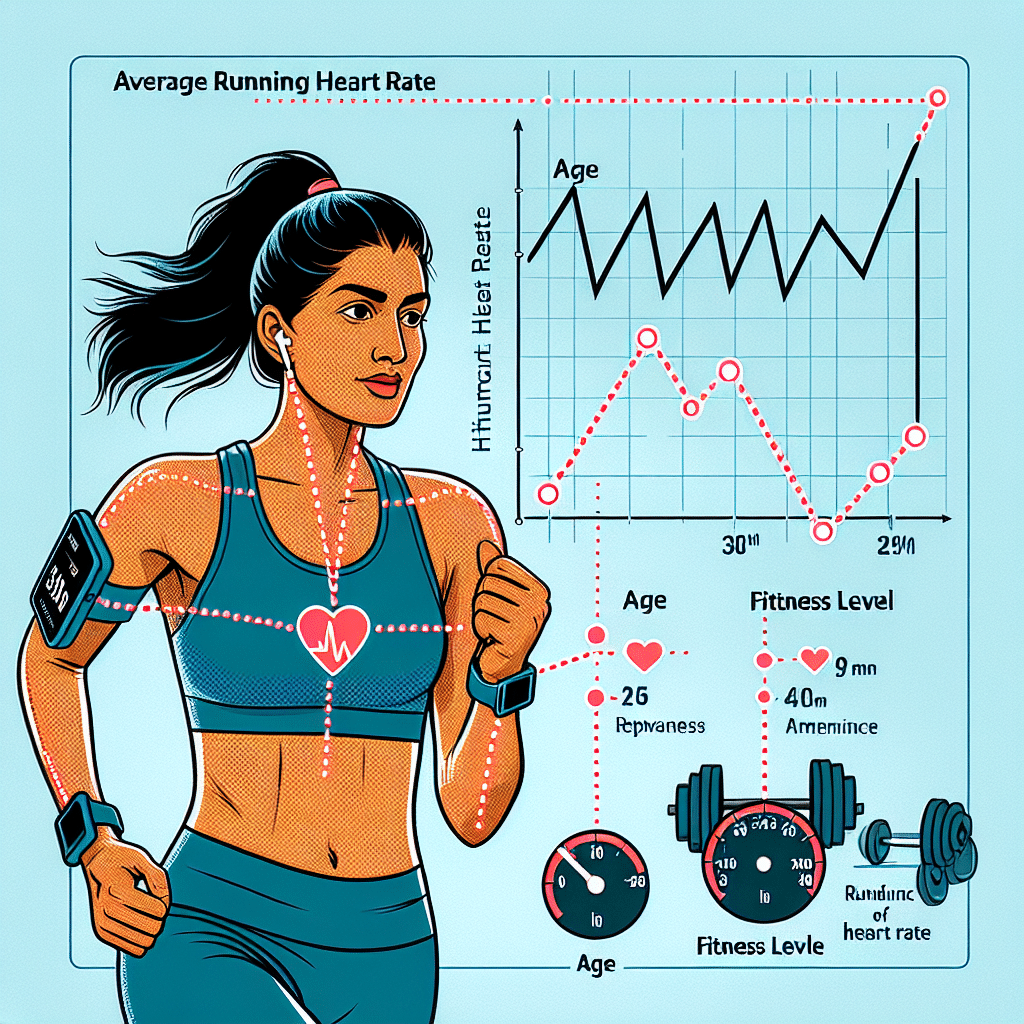
The Science Behind Your Running Heart Rate
Your heart rate is simply the number of times your heart beats in 60 seconds (beats per minute, or bpm). When you’re at rest, your heart beats slowly to meet basic metabolic needs. But as soon as you start running, your muscles demand more oxygen and nutrients.
To meet this increased demand, your heart works harder, pumping blood faster and more forcefully. This surge in cardiac activity directly translates to an elevated heart rate, signaling your body’s incredible ability to adapt and perform under stress.
Why Your Average Running Heart Rate is Your Ultimate Training Partner
Monitoring your average running heart rate isn’t just for elite athletes; it’s a game-changer for anyone looking to run smarter and healthier. Understanding these numbers offers a wealth of benefits:
- Optimize Training: Ensure you’re working out in the right intensity zone to achieve specific fitness goals, whether it’s burning fat, building endurance, or boosting speed.
- Track Progress: A lower heart rate at the same pace often indicates improved cardiovascular fitness over time.
- Prevent Overtraining: Consistently high heart rates, even during lighter runs, can signal fatigue or the need for recovery, preventing burnout and injury.
- Enhance Performance: Tailor your runs to specific heart rate zones to build aerobic capacity and improve overall running efficiency.
- Gain Health Insights: Your heart rate provides a window into your overall cardiovascular health. Sudden, unexplained changes could warrant a chat with your doctor.
Unlocking Your Potential: Calculating Maximum and Target Heart Rate Zones
To truly harness the power of your average running heart rate, you need a benchmark: your Maximum Heart Rate (MHR) and personalized Target Heart Rate Zones.
Estimate Your Maximum Heart Rate (MHR)
The simplest and most common formula to estimate your MHR is:
220 – Your Age = Estimated MHR (beats per minute)
For example, a 35-year-old would have an estimated MHR of 185 bpm (220 – 35 = 185).
Defining Your Target Heart Rate Zones
Once you have your MHR, you can calculate your target zones. These zones guide your running intensity for different objectives:
- Zone 1: Very Light (50-60% of MHR) – Ideal for warm-ups, cool-downs, and active recovery.
- Zone 2: Light / Fat Burn (60-70% of MHR) – Excellent for improving basic endurance and burning fat efficiently.
- Zone 3: Moderate / Aerobic (70-80% of MHR) – Improves cardiovascular fitness and endurance; a comfortable, sustainable pace.
- Zone 4: Hard / Anaerobic (80-90% of MHR) – Boosts speed, power, and lactate threshold; sustained efforts are challenging.
- Zone 5: Maximum / Peak (90-100% of MHR) – Short, intense bursts, improving sprint speed and performance. Use sparingly.
What’s a “Normal” Average Running Heart Rate? Factors That Influence It
While a general range of 120-160 bpm is often cited for healthy adults during moderate running, your specific average running heart rate is highly personal. Several factors play a significant role:
- Age: As you age, your maximum heart rate naturally decreases. This means your target zones will also shift.
- Fitness Level: Highly conditioned athletes often have more efficient hearts, allowing them to maintain a lower heart rate at higher intensities compared to less fit individuals. Their resting heart rate is also typically lower.
- Running Intensity: The harder you push, the higher your heart rate will be. A brisk jog will naturally result in a lower heart rate than an all-out sprint.
- Environment: Hot, humid weather or high altitude can elevate your heart rate as your body works harder to cool itself and take in oxygen.
- Stress & Medication: Emotional stress, caffeine intake, dehydration, and certain medications can all impact your heart rate.
How to Accurately Monitor Your Running Heart Rate
Gone are the days of fumbling for your pulse mid-run. While a manual pulse check (counting beats for 15 seconds and multiplying by four) offers a quick snapshot, modern technology provides far greater accuracy and convenience.
- Heart Rate Monitors (Chest Straps): These are generally considered the most accurate for real-time data, often connecting wirelessly to watches or phones.
- Smartwatches & Fitness Trackers (Wrist-Based): Convenient and increasingly accurate, these devices use optical sensors to measure blood flow. They provide continuous monitoring and often track other metrics like GPS and cadence.
- Perceived Exertion (RPE): While not a direct heart rate measurement, RPE is a useful subjective scale (1-10) to gauge how hard you feel you’re working, complementing heart rate data.
Optimizing Your Runs: Training with Heart Rate Zones
Now that you understand your numbers, it’s time to put them into practice. By consciously training within specific heart rate zones, you can tailor your workouts for maximum effectiveness:
- Endurance Building: Focus on longer runs in Zones 2 and 3 to build your aerobic base and improve stamina without excessive fatigue.
- Speed & Power: Incorporate interval training or tempo runs into Zones 4 and 5 for short bursts of high intensity, followed by recovery.
- Recovery: Keep easy runs and active recovery sessions in Zone 1 or 2 to promote healing and prepare your body for harder efforts.
- Vary Your Workouts: Don’t stay in one zone. A balanced training plan incorporates different intensities to challenge your body in various ways.
When to Consult a Professional: Heart Rate Red Flags
While monitoring your average running heart rate is largely about performance, it also serves as an important health indicator. Pay attention to:
- Unusually High or Low Resting Heart Rate: A sudden, unexplained change in your resting heart rate.
- Dizziness, Chest Pain, or Shortness of Breath: If you experience these symptoms during or after a run, regardless of your heart rate.
- Heart Rate Not Responding: If your heart rate doesn’t increase with exertion or takes an unusually long time to return to normal.
Always consult a healthcare professional if you have concerns about your heart health or experience any worrying symptoms during exercise.
Tune In, Run Smarter: Embrace Your Heart Rate Data
Your average running heart rate is more than just a number; it’s a direct line to your body’s performance and health. By understanding how it works, how to calculate your personalized zones, and how to monitor it effectively, you gain invaluable insights to guide your training.
Stop guessing and start optimizing. Embrace heart rate training to push your limits safely, prevent overtraining, and ultimately, achieve your running aspirations. Your heart is ready to tell its story – are you ready to listen?