Embarking on a backpacking adventure is an exhilarating pursuit, but the thrill can quickly fade if your body isn’t properly fueled. The food you pack isn’t just about satisfying hunger; it’s the critical energy source that powers every step, fuels your morale, and ensures your safety in the backcountry. Think of your food as your ultimate gear – essential for performance, comfort, and an unforgettable journey.

Yet, planning backpacking meals can feel like a daunting task. How do you balance nutrition with weight, durability with deliciousness, and budget with convenience? This comprehensive guide will equip you with the knowledge to make smart, strategic food choices, transforming your trail dining into a highlight of your outdoor experience.

Why Your Backpacking Food Choices Truly Matter
The wilderness demands a lot from your body. Each climb, every mile covered, and even simply staying warm or cool, consumes significant energy. Your food directly impacts your physical and mental capabilities on the trail.
Fueling Performance and Endurance
Proper nutrition is the cornerstone of sustained energy. Carbohydrates provide quick fuel, while proteins aid muscle repair and satiety. Healthy fats offer concentrated calories for long-lasting energy, preventing the dreaded “bonk” that can derail your trip.
Boosting Morale and Mental Well-being
A delicious meal after a long day can do wonders for your spirits. Conversely, bland or insufficient food can quickly lead to fatigue, irritability, and a diminished enjoyment of your adventure. Comfort foods play a surprisingly vital role in mental resilience.
Ensuring Safety and Health
Maintaining energy and hydration levels is crucial for safe decision-making and preventing injuries. Nutrient deficiencies or severe energy dips can impair judgment and coordination, turning a minor obstacle into a significant hazard. Planning smart means staying safe.
What Makes the Best Backpacking Food? Key Criteria
Not all food is created equal when it comes to the backcountry. Here’s what to prioritize when selecting your trail provisions:
High Calorie-to-Weight Ratio
Every ounce counts on the trail. Focus on foods that offer maximum calories for minimal weight, like nuts, seeds, nut butters, and dried fruits. This ensures you get the energy you need without overburdening your pack.
Nutrient-Dense Options
Beyond just calories, your food needs to pack a nutritional punch. Look for balanced sources of carbohydrates for immediate energy, proteins for muscle recovery, and healthy fats for sustained fuel. Think whole grains, lean proteins, and unsaturated fats.
Non-Perishable and Durable
Refrigeration is rarely an option in the wilderness. Choose shelf-stable foods that won’t spoil quickly and can withstand being jostled in your pack. Dehydrated meals, jerky, hard cheeses, and canned (or pouched) proteins are excellent choices.
Easy to Prepare and Consume
After a long day of hiking, you’ll want meals that are quick and easy to make with minimal cleanup. Instant meals, foods that only require hot water, or no-cook options are ideal. Pre-portioning ingredients at home can also save precious time and effort.
Top Backpacking Food Categories and Smart Ideas
Energizing Breakfasts
- Instant Oatmeal Packets: Light, quick, and customizable with dried fruit or nuts.
- Breakfast Bars: Look for options high in protein and fiber for sustained energy.
- Dehydrated Scrambles: DIY or store-bought egg mixes often just need hot water.
- Instant Coffee/Tea: A morale booster and morning ritual for many.
Lightweight Lunches & Power Snacks
- Trail Mix: A classic for a reason – customizable with nuts, seeds, dried fruit, and chocolate.
- Jerky & Meat Sticks: Excellent protein sources that are lightweight and satisfying.
- Nut Butters: Individual packets or small jars are fantastic on crackers, tortillas, or dried fruit.
- Cheese: Hard cheeses like cheddar or Parmesan hold up well without refrigeration.
- Crackers & Tortillas: Versatile bases for spreads, cheese, or dried meats.
- Dried Fruits: Apricots, mangoes, raisins, and cranberries offer quick sugars and fiber.
Satisfying Dinners
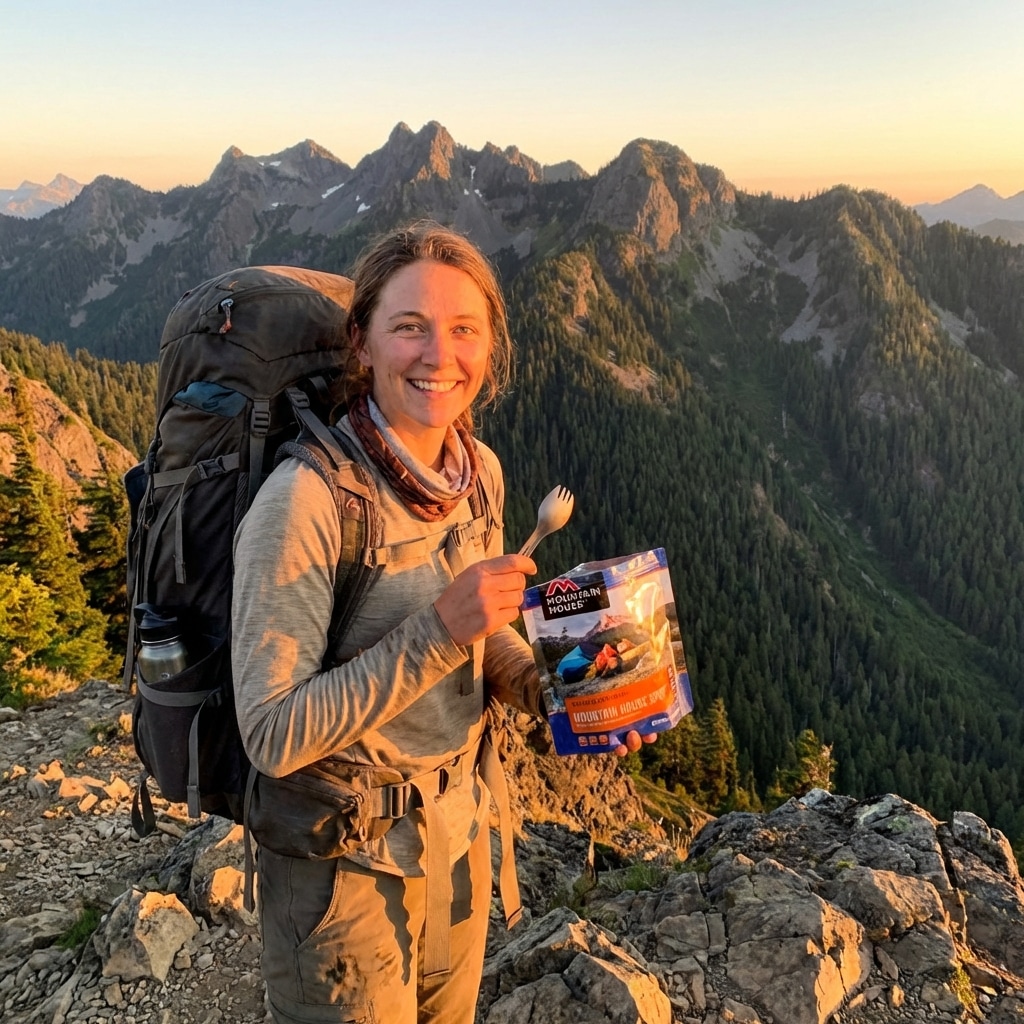
- Dehydrated Meals: Store-bought options are convenient, or make your own for cost savings and customization.
- Instant Rice or Pasta: Combine with shelf-stable sauces, dehydrated vegetables, and pouched tuna/chicken.
- Couscous or Ramen: Quick-cooking bases that can be enhanced with spices, oils, and protein.
- Lentil or Bean Flakes: Add protein and fiber to almost any meal.
Morale-Boosting Comfort Foods & Treats
- Chocolate Bars: A small indulgence that provides a quick energy boost and a taste of home.
- Cookies or Hard Candies: Easy to pack and a welcome treat after a challenging day.
- Hot Cocoa Mix: A warm, comforting drink on a chilly evening.
Strategic Backpacking Food Planning: Your Step-by-Step Guide
1. Assess Trip Length and Intensity
The duration and difficulty of your hike are crucial for determining calorie needs. A good rule of thumb is to aim for 2,500-4,500 calories per day for strenuous backpacking. Plan for slightly more on demanding days and a little less on easier ones or travel days.
2. Account for Dietary Needs and Preferences
Do you have allergies, sensitivities, or follow a specific diet (e.g., gluten-free, vegan, vegetarian)? Many brands now offer excellent specialized backpacking food options. Always check labels and pack foods you enjoy to ensure you’ll actually eat them.
3. Calculate Portions and Pack Smart
Divide your food into daily rations or individual meal bags to simplify planning on the trail. Remove excess packaging, re-bag items into durable, lightweight freezer bags, and label everything clearly. This saves space, reduces trash, and streamlines meal prep.
4. Don’t Forget Hydration: The Ultimate Essential
While often discussed separately from food, water is arguably even more critical for survival and performance. Dehydration quickly impairs physical and mental function. Always carry a reliable water filter or purification tablets and know your water sources.
- Water Filters/Purifiers: Essential for treating natural water sources.
- Electrolyte Mixes: Replenish salts lost through sweat, especially in hot conditions.
- Water Capacity: Carry enough water capacity (bottles, bladders) for dry stretches.
DIY vs. Store-Bought: Unleashing Your Inner Trail Chef
The Benefits of DIY Dehydrated Meals
Making your own dehydrated backpacking meals offers significant advantages. It’s often more cost-effective, allows for complete customization to your taste and dietary needs, and can result in healthier, less processed options. From hearty chili to pasta primavera, the possibilities are endless with a food dehydrator.
Smart Store-Bought Choices
For convenience, store-bought dehydrated meals are an excellent choice. Look for brands with good reviews, balanced nutrition, and appealing flavors. They are perfect for shorter trips, when time is limited, or for supplementing your DIY creations.
Conclusion: Fuel Your Adventure, Elevate Your Experience
Thoughtful backpacking food planning is far more than just packing snacks; it’s an investment in your energy, safety, and overall enjoyment of the wilderness. By prioritizing nutrient-dense, lightweight, and delicious options, you’ll ensure your body is ready for every challenge and celebration the trail has to offer. So, plan smart, eat well, and savor every moment of your next incredible backpacking adventure!