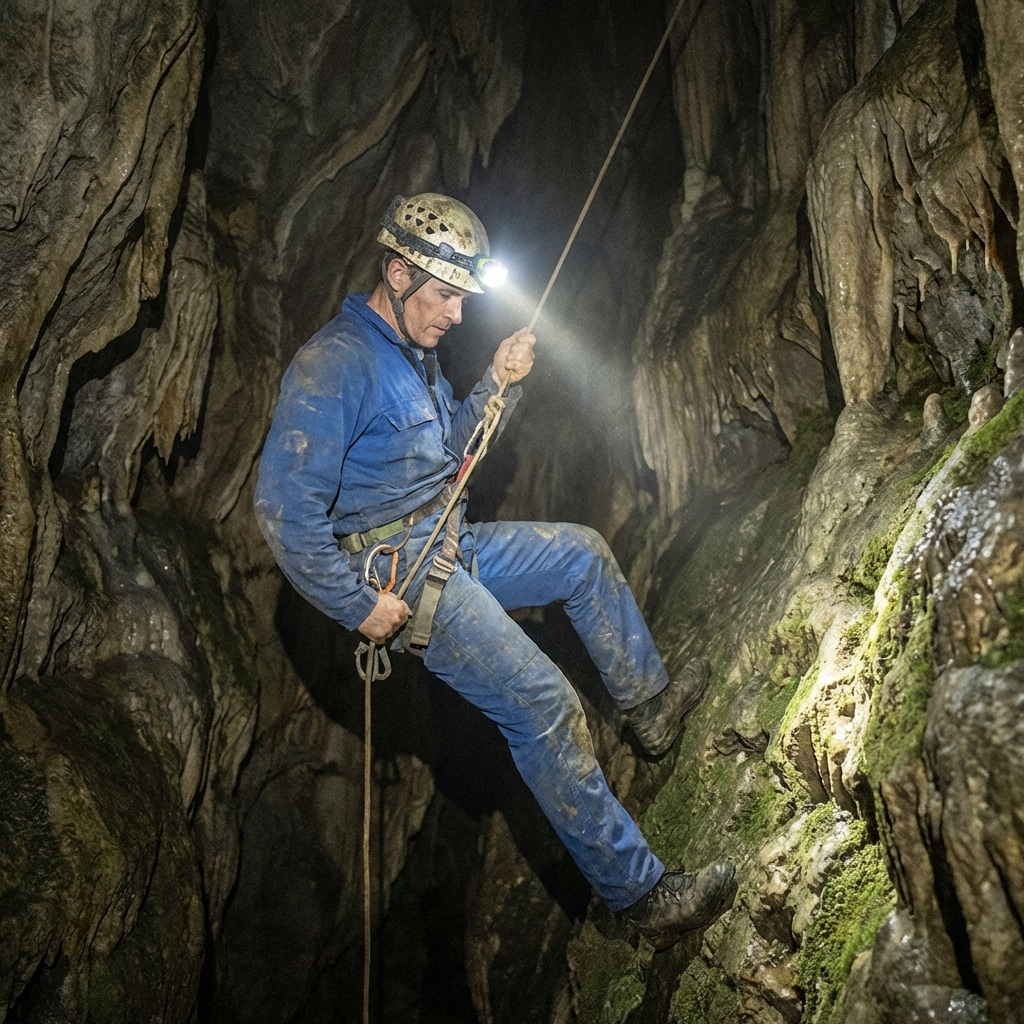
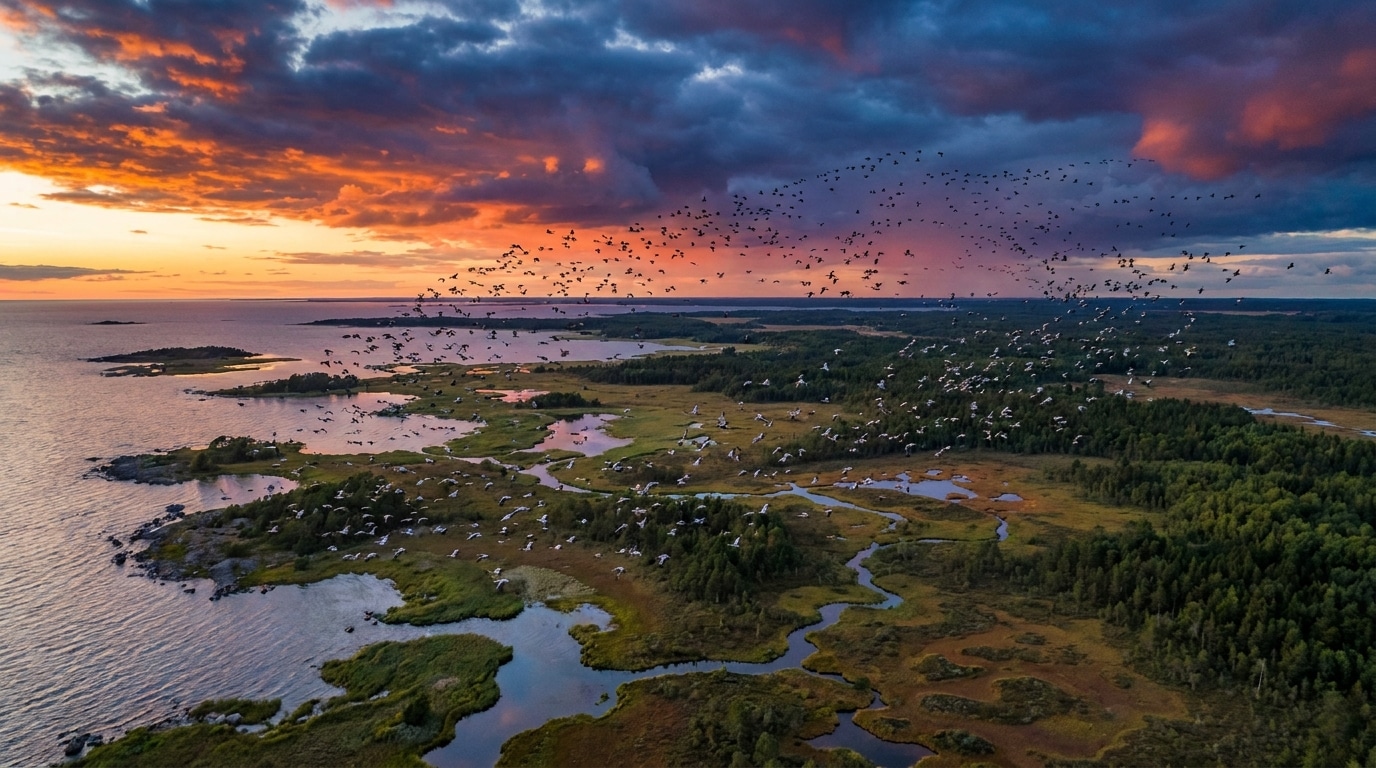
The call of the wild is undeniable – majestic peaks, serene forests, and winding trails beckon adventurers worldwide. Backpacking offers an unparalleled chance to disconnect and immerse yourself in nature’s grandeur. Yet, beneath this idyllic surface lies an inherent truth: the wilderness is unpredictable, and preparedness is paramount. Without essential backpacking survival skills, a minor inconvenience can quickly escalate into a life-threatening situation.
This comprehensive guide will equip you with the knowledge and tools needed to navigate the challenges of the backcountry, ensuring your outdoor adventures are not only thrilling but also safe. From essential gear to crucial techniques, master the art of wilderness survival.
Why Backpacking Survival Skills Are Non-Negotiable
Even the most seasoned backpackers can face unexpected challenges, from sudden weather changes to unforeseen injuries or getting lost. Possessing core wilderness survival skills isn’t about paranoia; it’s about empowerment. It’s the difference between efficiently managing an emergency and succumbing to its pressures.
These skills provide the confidence to explore remote landscapes responsibly. They teach you to rely on your wits, your training, and your gear to overcome obstacles, ensuring you return home safely after every expedition.
Essential Backpacking Survival Gear: Your Lifeline in the Wild
Your gear is an extension of your preparedness. Packing the right survival tools can significantly increase your chances of managing unexpected situations. Prioritize quality and multi-functionality when selecting your essentials.
The Indispensable Survival Knife
A sturdy, full-tang survival knife is arguably the most versatile tool you can carry. It’s critical for countless tasks, making it a cornerstone of any backpacking survival kit.
Utility: From cutting cordage and preparing kindling to opening food packages.
Shelter Building: Trimming branches for natural shelters.
First Aid: Cutting bandages or even splinter removal in emergencies.
Self-Defense: A last resort against aggressive wildlife.
Mastering Fire: Warmth, Safety & Sustenance
The ability to start a fire is a fundamental wilderness survival skill. Fire provides warmth, cooks food, purifies water, signals for help, and offers psychological comfort. Always carry multiple, redundant fire-starting methods.
Waterproof Matches: Keep them in a sealed, waterproof container.
Lighter: A simple, reliable option, but susceptible to moisture.
Ferro Rod (Fire Starter Kit): Works in all weather conditions and provides thousands of strikes.
Tinder: Cotton balls soaked in petroleum jelly, dryer lint, or commercial fire starters.
Your Emergency Hub: A Comprehensive First Aid Kit
Accidents happen, even on well-planned trips. A well-stocked first aid kit is non-negotiable for treating minor injuries and stabilizing more severe conditions until professional help arrives. Customize it for your trip’s duration and remoteness.
Wound Care: Bandages, gauze, antiseptic wipes, medical tape, sterile pads.
Medications: Pain relievers, allergy medicine, any personal prescriptions.
Tools: Tweezers, small scissors, safety pins, thermometer.
Beyond the Basics: Other Crucial Gear for Wilderness Survival
While the knife, fire starter, and first aid kit are paramount, several other items significantly bolster your outdoor safety.
Navigation Tools: A physical map of the area, a compass, and a GPS device or reliable smartphone app. Know how to use them.
Headlamp or Flashlight: Essential for visibility after dark, with extra batteries.
Emergency Whistle: For signaling help, audible over long distances.
Cordage: At least 50 feet of paracord for shelter building, repairs, or emergency uses.
Emergency Shelter: A lightweight tarp, Mylar blanket, or emergency bivvy for unexpected overnight stays.
Water Filter/Purifier: Crucial for safe hydration.
Sustaining Life: Water Purification & Trail Nutrition
Water and food are the fundamental building blocks of survival. Understanding how to source and prepare them safely is a core backpacking survival skill.
Water is Life: Safe Hydration Strategies
Dehydration can rapidly incapacitate you in the wilderness. While natural water sources might look inviting, they often harbor harmful bacteria and parasites. Never drink untreated water.
Portable Water Filters: Gravity filters or pump filters quickly remove particulates and most microorganisms.
Chemical Purification Tablets: Lightweight and effective against viruses, bacteria, and giardia. Requires wait time.
Boiling: The most reliable method to kill all pathogens. Bring water to a rolling boil for at least one minute.
Fueling Your Adventure: Smart Food Choices
Maintaining energy levels is vital for decision-making and physical exertion. While foraging is a skill for true experts, carrying lightweight, high-energy food is always the safest bet.
Trail Mix: A classic for good reason – packed with nuts, seeds, and dried fruit for sustained energy.
Energy Bars/Gels: Quick and convenient sources of calories.
Dehydrated Meals: Lightweight and easily prepared with hot water, offering full meals.
Nut Butters: High in healthy fats and protein, providing significant caloric density.
Crafting Your Sanctuary: Wilderness Shelter Building
Exposure to elements like rain, wind, and cold is a primary threat in a survival situation. A well-constructed shelter protects you from the weather, provides warmth, and offers psychological security. It’s your outdoor home.
Selecting the Ideal Shelter Location
Choosing the right spot is as crucial as the shelter itself. A poor location can expose you to unnecessary risks.
Dry and Flat: Avoid depressions where water can collect.
Protected from Wind: Look for natural windbreaks like large boulders or dense vegetation.
Overhead Safety: Steer clear of dead trees or large branches that could fall.
Proximity to Resources: Be near a water source, but far enough to avoid flash floods or animal trails.
Basic Shelter Types & Techniques
Even without a tent, you can create effective emergency shelters using natural materials or minimal gear.
Lean-To: Simple and quick, using a fallen log or sturdy branch as a ridge pole, then leaning smaller branches against it and covering with debris.
Debris Hut: More insulated but requires more time and materials, essentially a large pile of leaves and branches over a frame.
Tarp Shelter: If you carry a lightweight tarp, you can rig various configurations like an A-frame or lean-to for quick protection.
The Art of Not Getting Lost: Essential Navigation Skills
Disorientation is a common and dangerous scenario in the wilderness. Knowing how to find your way, even without modern technology, is a foundational aspect of backpacking survival.
Map & Compass Mastery
These traditional tools are reliable even when batteries die or signals fail. Learn to read topographic maps and use a compass for orientation, taking bearings, and calculating distances. Practice regularly before you need these skills in an emergency.
Natural Navigation & Modern Tech
In a pinch, the sun and stars can guide you. The sun rises in the east and sets in the west, and the North Star (Polaris) points true north. Supplement these with GPS devices or smartphone apps, but always have a backup.
Respecting the Wild: Safe Wildlife Encounters
Wildlife encounters are part of the wilderness experience. While most animals prefer to avoid humans, knowing how to react safely is crucial for both your well-being and theirs.
How to React to Wildlife
Stay Calm: Panic can provoke an animal or impair your judgment.
Make Noise: Announce your presence while hiking to avoid surprising animals.
Look Large: If confronted, make yourself appear bigger by raising your arms.
Slowly Back Away: Do not run; it can trigger a chase response. Maintain eye contact with predators.
Never Approach: Give animals, especially mothers with young, ample space.
Secure Food: Store food in bear-resistant containers or hung from trees to prevent attracting animals to your camp.
Beyond the Gear: The Mindset of a Survivor
Physical preparedness is only half the battle. Mental resilience, a positive attitude, and the ability to remain calm under pressure are equally vital. In a survival situation, your mindset can be your greatest asset or your biggest downfall.
Practice problem-solving, stay optimistic, and focus on immediate, actionable steps. A survivor’s mindset means embracing challenges, adapting to circumstances, and never giving up.
Conclusion: Embrace the Wilderness Safely
Backpacking is an incredible journey into the heart of nature, offering profound experiences and unforgettable memories. By mastering essential backpacking survival skills – from packing the right survival gear to understanding navigation, shelter, and first aid – you transform potential dangers into manageable challenges.
Remember the adage: “It’s better to have it and not need it, than to need it and not have it.” Equip yourself with knowledge, prepare meticulously, and cultivate a resilient mindset. With these pillars of wilderness survival in place, you can confidently answer the call of the wild, ensuring every adventure is a safe and rewarding one.