Dreaming of conquering a mountain peak, witnessing breathtaking panoramas, and testing your limits against nature’s grandeur? Mountaineering offers an unparalleled sense of achievement and a profound connection with the wild. But before you embark on your first ascent, understanding and acquiring the right gear isn’t just a recommendation—it’s a critical safety imperative.
This comprehensive guide breaks down the essential equipment for beginner mountain climbing. We’ll explore why each item is crucial, helping you build a kit that ensures safety, comfort, and success on your initial ventures into the exhilarating vertical world. Get ready to prepare for an adventure of a lifetime!

The Foundation: Boots & Clothing for Any Ascent
Your journey begins with what you wear. Appropriate footwear and clothing aren’t just about comfort; they’re your primary defense against the harsh, unpredictable mountain environment.
Mountaineering Boots
Forget your hiking boots for anything beyond a mild scramble. Mountaineering boots are stiff, waterproof, and insulated, designed to offer superior ankle support, protection, and grip on varied terrain, including snow and ice. Look for models that are compatible with crampons, which will be essential as you progress.
Layered Clothing System
The key to staying comfortable in changing mountain conditions is a versatile layering system. This typically includes a moisture-wicking base layer, insulating mid-layers (like a fleece or puffy jacket), and a waterproof, breathable outer shell jacket and pants. Don’t forget insulated gloves or mittens, a warm hat, and sun protection for your head and neck.
Your Lifeline: Essential Safety & Climbing Hardware
This category comprises the specialized equipment that directly contributes to your safety when navigating steep, exposed, or technical terrain.
Climbing Harness
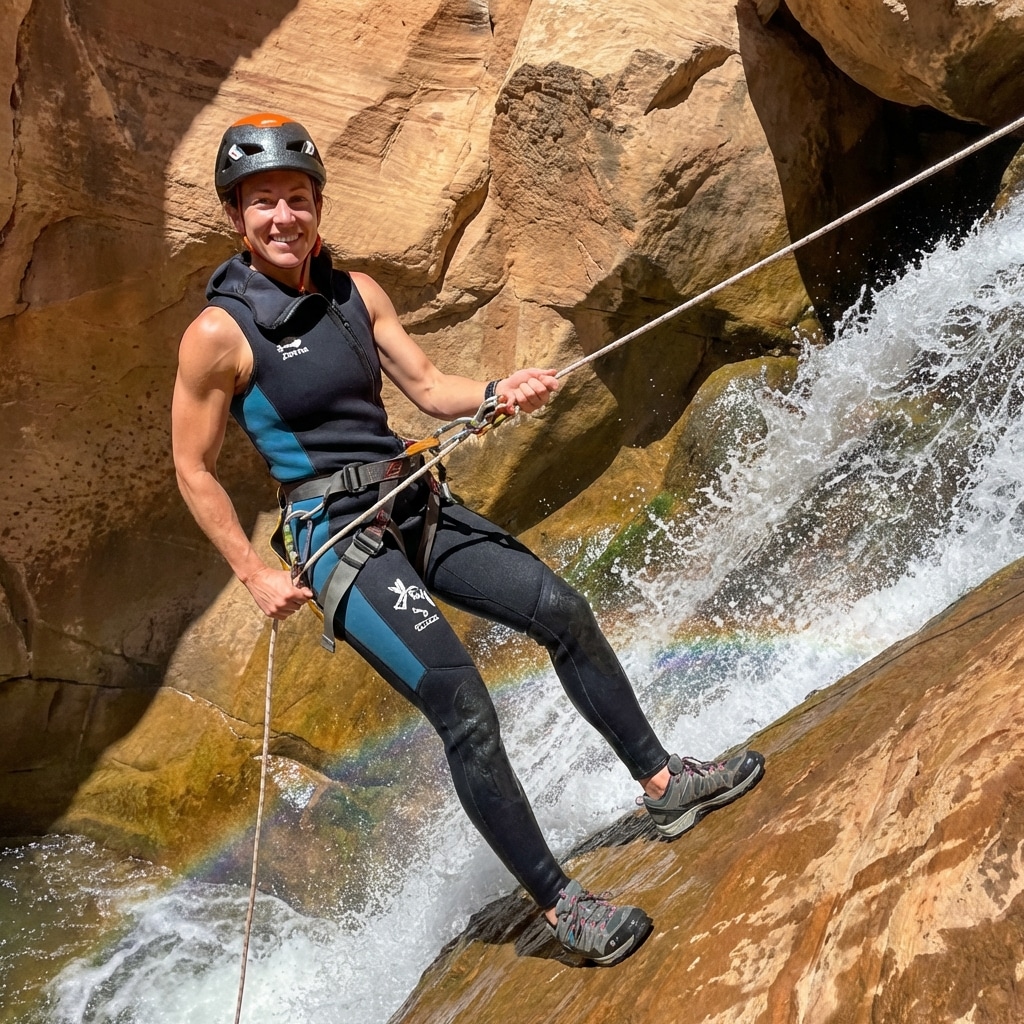
A well-fitting climbing harness is fundamental for any rope-based activity. It’s designed to distribute weight comfortably, provide attachment points for your gear, and connect you securely to the rope system. Ensure yours is comfortable, adjustable, and meets UIAA safety standards.
Mountaineering Rope
Your rope is literally your lifeline. For beginner mountaineering, a dynamic rope (designed to stretch and absorb the energy of a fall) is often used for ascending or rappelling. Choose a lightweight, strong, and durable option specifically rated for mountaineering, considering its length and diameter based on your planned routes.
Climbing Helmet
A helmet is non-negotiable for head protection. It shields you from falling rocks, ice, and impacts during a fall. Look for a lightweight model with ample ventilation, adjustable fit, and comfortable padding. Always ensure it meets CE or UIAA safety certifications.
Protection & Connection: Carabiners, Slings, & Quickdraws
These small but mighty pieces of equipment form the backbone of your protection system, connecting you and your rope to the mountain.
- Carabiners: These metal clips come in various shapes and sizes. You’ll need both locking carabiners (for critical connections like your harness and belay device) and non-locking carabiners for gear organization and less critical attachments.
- Slings: Loops of strong webbing (nylon or Dyneema) used for creating anchors, extending protection, or tethering yourself. They are incredibly versatile.
- Quickdraws: Two non-locking carabiners connected by a short length of webbing, primarily used to clip the rope to protection pieces on the rock face.
Crampons
When snow and ice are present, crampons are indispensable. These metal frames with sharp points attach securely to your mountaineering boots, providing vital traction on slippery surfaces. Ensure your crampons are compatible with your specific boots and practice attaching them before your climb.
Navigating the Wild: General Essentials & Emergency Preparedness
Beyond the specialized climbing gear, a host of general items are crucial for safety, comfort, and self-sufficiency in the mountains.
Mountaineering Rucksack
Choose a pack that’s appropriately sized for your trip (day trip vs. multi-day) and comfortable to carry heavy loads. It should be durable, weatherproof, and ideally have external attachment points for ice axes or rope. A good fit is paramount to prevent fatigue and discomfort.
Navigation Tools
Always carry a physical map and compass, and know how to use them, even if you rely on a GPS device or smartphone app. Batteries can die, and electronics can fail. A reliable altimeter can also be a useful addition.
Headtorch & Spare Batteries
Whether you’re starting before dawn, finishing after dusk, or facing an unexpected delay, a reliable headtorch is vital. Always carry spare batteries; cold weather can drain them quickly.
First-Aid Kit
A well-stocked first-aid kit is essential for treating minor injuries and managing more serious ones until professional help arrives. Customize it for your personal needs, including any prescription medications, blister treatment, and an emergency blanket.
Hydration & Nutrition
Carry plenty of water (or a filter/purifier if sources are available) and high-energy, non-perishable snacks. Mountaineering is physically demanding, and maintaining your energy levels is crucial for performance and safety.
Sun Protection
At altitude, the sun’s rays are much stronger. Pack high-SPF sunscreen, UV-protective sunglasses (rated for glacier use if applicable), and lip balm with SPF. Sunburn and snow blindness are serious risks.
Emergency Communication
A fully charged mobile phone is a start, but in remote areas, a satellite messenger or personal locator beacon (PLB) can be a lifesaver for calling for help when out of cell service.
Embarking on your first mountain climbing adventure is an exhilarating prospect, and having the right gear is your first step toward a safe and successful experience. Remember, quality equipment is an investment in your safety and enjoyment.
Take the time to research, practice with your gear, and ideally, seek guidance from experienced mountaineers or certified guides. With thorough preparation and the proper kit, you’ll be well-equipped to face the challenges and savor the incredible rewards of the high mountains.