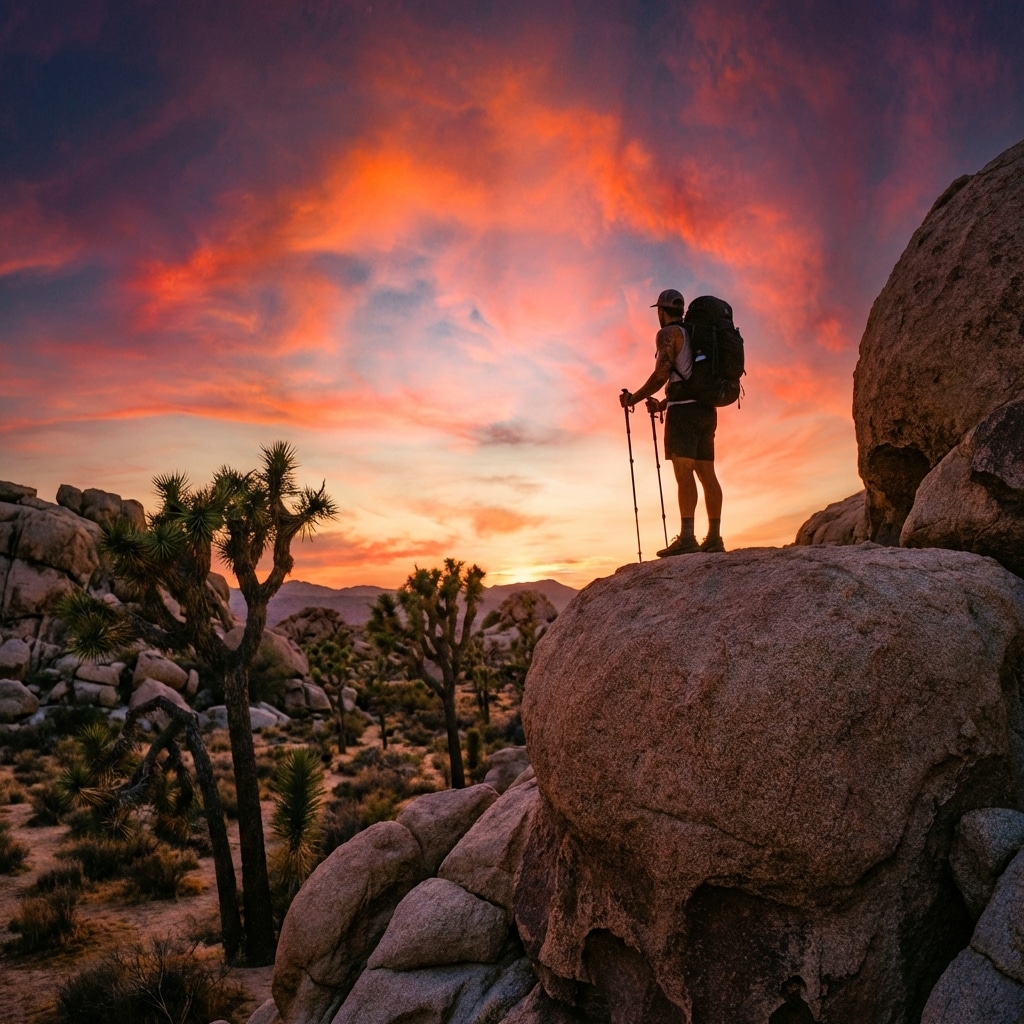
As an outdoor enthusiast, you know that a successful adventure hinges on meticulous planning – and nowhere is this more critical than with your meals. On the trail, food isn’t just fuel; it’s morale, energy, and a vital component of safety. But how do you balance nutrition, taste, weight, and ease of preparation when every ounce counts?
This guide dives deep into the best backpacking meals that tick all these boxes, ensuring you’re well-fueled, energized, and ready to conquer any challenge your next adventure throws your way. Get ready to transform your trail menu from basic to brilliant!
Why Smart Backpacking Meal Choices Are Non-Negotiable
Your backpacking meals are far more than just sustenance. The right food choices directly impact your energy levels, physical performance, mental clarity, and even your overall mood during an arduous journey. Skimping on quality or nutritional value can lead to fatigue, decreased endurance, and a less enjoyable outdoor experience.
Prioritizing well-planned, high-quality trail food ensures you’re properly fueled for sustained effort. This allows you to perform at your peak, recover effectively, and truly savor every moment of your outdoor adventure.
What Defines a Truly Great Backpacking Meal?
Not all trail food is created equal. To earn a spot in your pack, a meal needs to meet several crucial criteria:
High Calorie-to-Weight Ratio: Every gram matters. You want maximum energy with minimal bulk.
Nutritional Balance: A mix of carbohydrates for quick energy, protein for muscle repair, and healthy fats for sustained fuel.
Non-Perishable: No refrigeration needed, able to withstand varying temperatures.
Easy Preparation: Minimal cooking time and equipment, often requiring just hot water.
Deliciousness: A satisfying, tasty meal is a huge morale booster after a long day of hiking.
Hydration Consideration: Meals that require minimal water for preparation can be a lifesaver in dry areas.
Top Picks: The Best Backpacking Meals for Your Next Adventure
Now, let’s explore the standout options that expertly balance nutrition, ease, and taste. This list covers a variety of preferences and dietary needs, ensuring there’s something for every backpacker.
1. Dehydrated Backpacking Meals
These are the gold standard for many long-distance hikers. Brands like Mountain House, Backpacker’s Pantry, and Good To-Go offer an incredible array of gourmet-style options. From classic lasagna to exotic Pad Thai, the variety is impressive.
Pros: Extremely lightweight, compact, wide variety, and incredibly easy to prepare—just add boiling water and wait.
Cons: Can be pricier, sometimes high in sodium, and packaging creates waste.
Pro Tip: Look for meals with real ingredients and lower sodium counts. Add your own spices or a dash of olive oil for extra flavor and calories.
2. Instant Noodles & Pasta
A budget-friendly and super-lightweight staple, instant noodles (like ramen or couscous) and quick-cook pasta are fantastic bases. They cook in minutes and provide quick carbohydrates.
Pros: Cheap, lightweight, fast cooking time, readily available.
Cons: Often low in protein and fiber, can be high in sodium.
Pro Tip: Supercharge these by adding dehydrated vegetables, a packet of tuna/chicken, jerky, nutritional yeast, or a small block of hard cheese for added protein and nutrients.
3. Lentils & Beans (Dehydrated/Instant)
For vegetarian and vegan backpackers, or anyone seeking a protein and fiber powerhouse, lentils and beans are excellent. Many varieties come in instant or dehydrated forms, significantly reducing cooking time.
Pros: High in plant-based protein and fiber, very affordable, and versatile.
Cons: Some varieties can take longer to cook than other instant options, may require more water.
Pro Tip: Look for instant refried beans or dehydrated red lentils. Combine with instant rice and your favorite spices for a complete, hearty meal.
4. DIY Backpacking Meals (Custom Creations)
Creating your own meals allows for ultimate customization in terms of taste, nutrition, and cost. This approach often involves assembling various dehydrated ingredients.
Pros: Control over ingredients, dietary needs, cost-effective, reduces packaging waste.
Cons: Requires more prep time beforehand, might need to source individual ingredients.
Pro Tip: Mix instant rice or couscous with dehydrated veggies (carrots, peas, corn), dried mushrooms, a bullion cube, and a packet of olive oil. Add dried fruits, nuts, or even crushed tortilla chips for texture.
5. Oatmeal & Granola
Essential for starting your day right, oatmeal and granola are easy-to-prepare, energy-dense breakfast options. They provide sustained energy for morning hikes.
Pros: Quick, customizable, warm and comforting, good source of complex carbs.
Cons: Primarily a breakfast item, can get monotonous without variety.
Pro Tip: Enhance with dried fruits, nuts, seeds, powdered milk, protein powder, or a dollop of nut butter for extra calories and protein.
6. Wraps & Tortillas
These versatile flatbreads are fantastic for lunch or a no-cook dinner. They’re lightweight, pack well, and can be filled with almost anything.
Pros: No-cook options, highly versatile, durable.
Cons: Can dry out over long trips, fillings might need rehydration.
Pro Tip: Fill with shelf-stable cheese, tuna or chicken packets, dehydrated refried beans, or nut butter.
Essential Backpacking Meal Planning Tips for Success
Beyond choosing individual meals, effective planning is crucial for a smooth culinary experience on the trail:
Calculate Calorie Needs: Estimate roughly 2,500-4,000 calories per day, depending on mileage, pack weight, and terrain.
Consider Water Availability: If water sources are scarce, prioritize no-cook or minimal-water meals.
Pack a Variety: Avoid “palate fatigue” by mixing up your meals and flavors.
Repackage Smartly: Remove excess packaging to save weight and reduce trash. Use sturdy Ziploc bags or reusable containers.
Test at Home: Try out new recipes or dehydrated meals before your trip to ensure you like them and know how to prepare them.
Don’t Forget Snacks: Energy bars, nuts, dried fruit, and jerky are vital for continuous energy boosts between meals.
Fuel Your Adventure, Delight Your Senses
The best backpacking meals are ultimately those that energize your body, satisfy your hunger, and bring a smile to your face after a long day of hiking. Remember, food is more than just fuel; it’s a source of comfort, joy, and a fundamental part of the outdoor experience.
By carefully selecting and planning your trail menu, you’re not just preparing for a hike; you’re setting the stage for an unforgettable, high-performance adventure. So, choose wisely, eat heartily, and bon appétit on your next escapade!