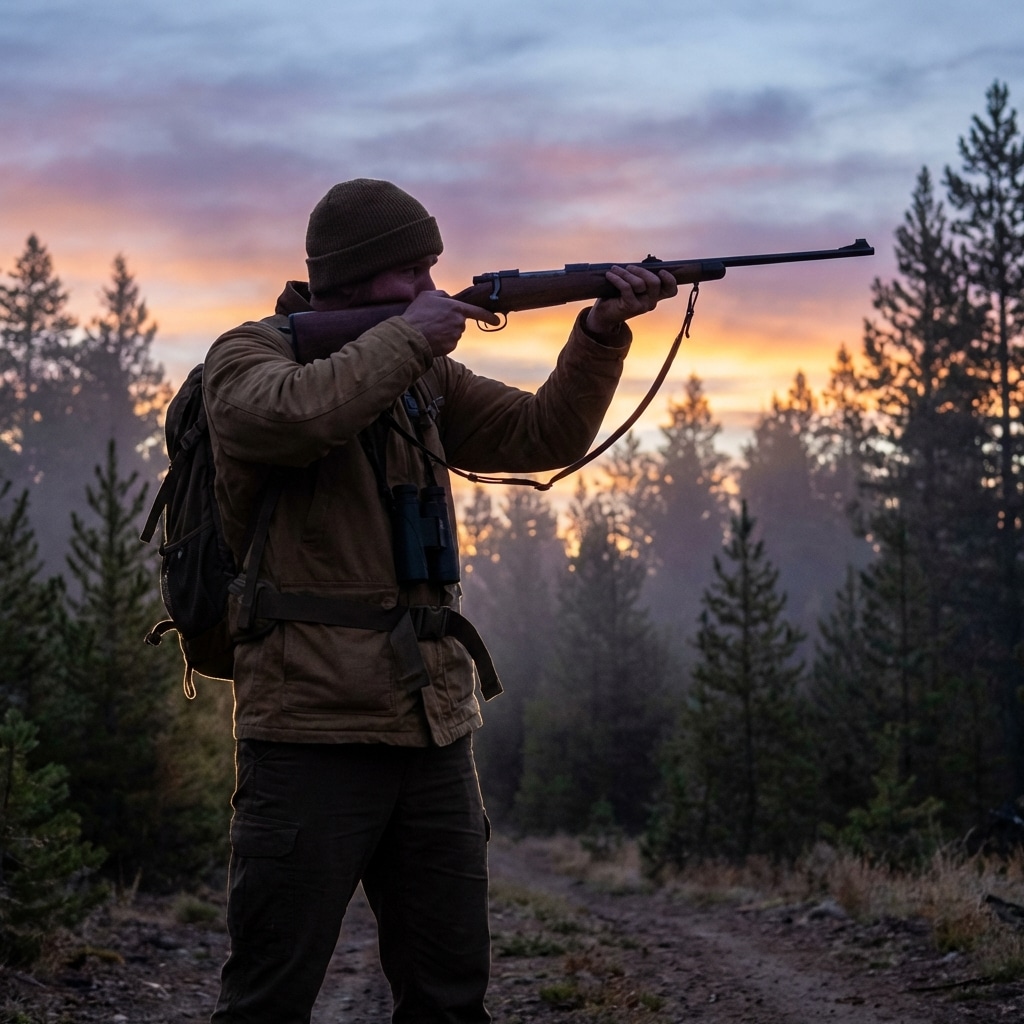
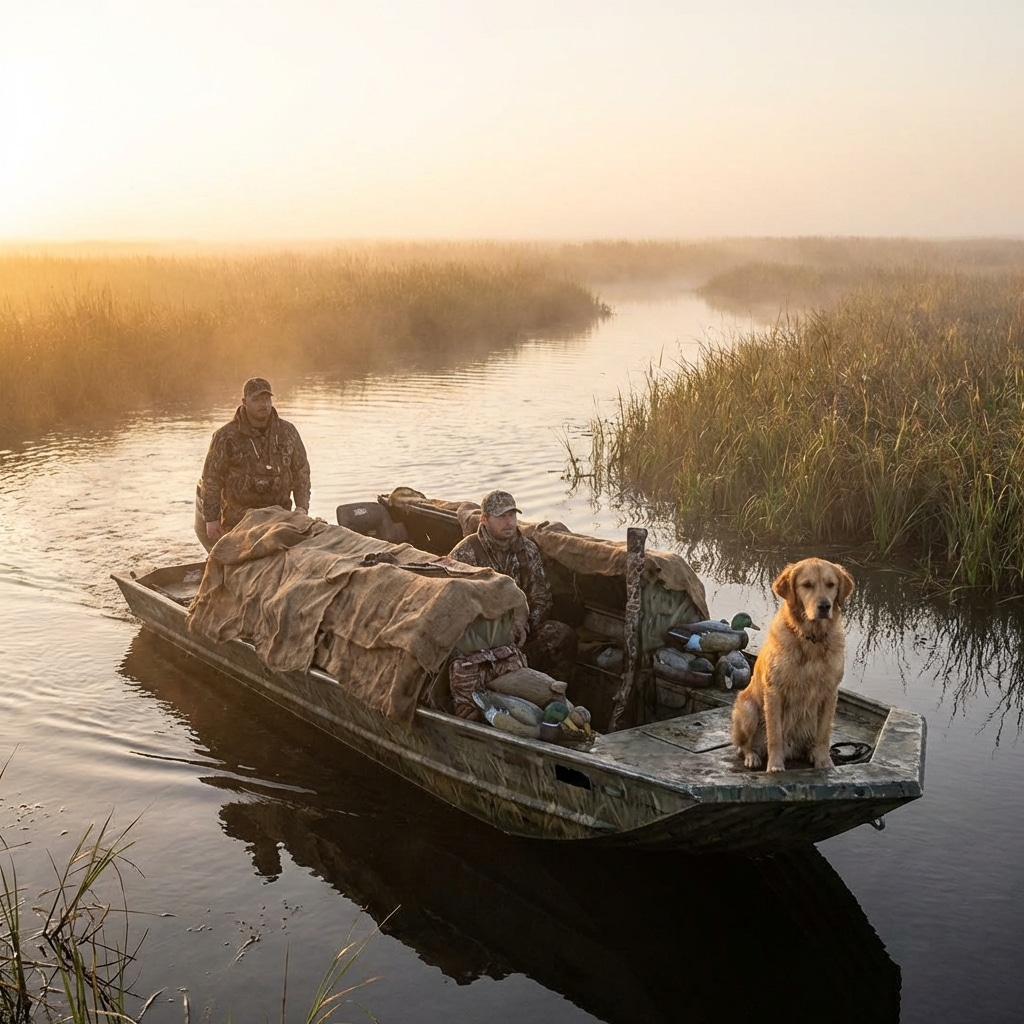
Imagine this: you’re deep in the wilderness, stalking your trophy buck, when suddenly, a cold seep of water invades your boot. Or maybe your feet ache with every step on rocky terrain, cutting your hunt short. Sound familiar? Your hunting boots aren’t just footwear; they’re your foundation, your comfort, and often, the key to a successful hunt. The wrong pair can lead to misery, while the right pair keeps you focused on the game, not your feet.
But with countless options on the market, how do you sort through the noise to find your perfect match? This comprehensive guide will equip you with the knowledge to select the best hunting boots for your specific needs, ensuring dry, comfortable, and protected feet on every adventure.
Why Your Hunting Boots Are Your Most Critical Gear
Before diving into specific features, let’s underscore why prioritizing your hunting footwear is non-negotiable. Unlike a jacket or a backpack, your boots directly impact your mobility, endurance, and overall well-being in the field. They protect against harsh elements, offer crucial support on challenging terrain, and provide the insulation needed to keep you warm and focused, even during long, stationary waits.
Essential Features of Top-Tier Hunting Boots
Unbeatable Waterproofing & Breathability
Hunting environments are notoriously wet, making waterproof boots a fundamental requirement. Look for technologies like Gore-Tex, eVent, or proprietary brand membranes that create an impenetrable barrier against water while allowing sweat vapor to escape. This crucial breathability prevents your feet from becoming clammy, even during strenuous activity, avoiding discomfort and blisters.
Insulation for Every Climate
The right amount of insulation depends entirely on your hunting climate and activity level. Measured in grams (e.g., 200g, 800g, 1200g Thinsulate), higher numbers mean more warmth.
200-400g: Ideal for moderate cold or active hunting in colder temperatures.
600-800g: Suitable for colder climates and less active hunting, like stand hunting.
1000g+: Reserved for extreme cold weather conditions or prolonged static hunts.
Consider synthetic insulations, which maintain warmth even when wet.
Superior Traction & Outsole Design
Navigating slippery inclines, muddy trails, or rocky slopes demands an outsole with aggressive traction.
Deep, Multi-Directional Lugs: Crucial for grip on varied terrain, shedding mud and debris.
Rubber Compounds: Look for durable, sticky rubber that performs well in both wet and dry conditions.
Defined Heel Break: Essential for downhill braking and stability on steep descents.
Durability & Premium Materials
Hunting boots endure immense abuse. Investing in durable materials ensures longevity and reliable performance season after season.
Full-Grain Leather: Offers excellent durability, water resistance (when treated), and molds to your foot over time for a custom fit.
Synthetic Materials: Lighter, faster-drying, and often more breathable than traditional leather.
Rubber: Common in wet-weather and swamp boots, offering complete waterproofing and easy cleaning.
Reinforced Areas: Check for scuff guards, toe caps, and heel counters for added protection against wear and tear.
Fit, Comfort, & Ankle Support
An ill-fitting boot is a hunter’s worst enemy. Prioritize comfort and support above all else to prevent fatigue and injury.
Proper Fit: Ensure there’s enough room in the toe box for your toes to wiggle, but no excessive heel slip. Always try them on with your typical hunting socks.
Ankle Support: Especially important for uneven or rugged terrain, preventing twists and sprains. Higher collars generally provide more support.
Arch Support: Look for adequate built-in arch support or consider aftermarket insoles for personalized comfort and biomechanical alignment.
Weight & Flexibility for Your Hunting Style
Your activity level dictates the ideal boot weight and flexibility.
Lightweight Boots: Best for active hunters covering long distances in moderate terrain (e.g., spot-and-stalk hunting).
Heavier, Stiffer Boots: Offer more support and warmth, ideal for rugged mountain hunting, carrying heavy loads, or stationary cold-weather hunting.
Boot Height for Different Environments
The height of your boot impacts protection and support, crucial for various hunting scenarios.
Ankle-Height (6-inch): Best for light hiking, warmer weather, or well-maintained trails; offers maximum agility.
Mid-Calf (8-10-inch): A versatile choice, providing good ankle support and protection against brush and shallow water.
Knee-High (15-18-inch): Essential for swampy, marshy, or deep snow conditions, offering superior waterproofing and protection.
How to Choose the Perfect Hunting Boots for YOU: A Step-by-Step Guide
With a solid understanding of essential features, let’s tailor the choice to your specific hunting profile.
Step 1: Analyze Your Hunting Environment & Climate
Your primary hunting grounds are the biggest determinant in selecting the right boots.
Cold & Wet: Prioritize maximum insulation (800g+) and absolute waterproofing (e.g., rubber boots or heavy-duty Gore-Tex).
Warm & Dry: Opt for breathable, lightweight boots with minimal or no insulation to prevent overheating.
Mountainous & Rugged: Demand superior ankle support, aggressive traction, and highly durable materials for stability and protection.
Swampy & Marshy: Knee-high rubber boots are often indispensable for staying completely dry and protected.
Step 2: Consider Your Hunting Style & Activity Level
How you hunt directly influences your ideal boot choice.
Active Hunter (Spot & Stalk): Lightweight, flexible boots with good ankle support are crucial for agility and covering long distances.
Stand Hunter (Stationary): Heavily insulated, waterproof boots are essential to combat the cold while sitting still for extended periods.
Backcountry Hunter (Multi-day trips, heavy packs): Sturdy, supportive, and durable boots with excellent traction are needed for comfort and stability under heavy loads.
Step 3: Prioritize Fit, Comfort, and a Break-In Period
Never compromise on fit—it’s the foundation of a comfortable hunt.
Try Before You Buy: Always test boots on an incline and decline if possible. Wear the same thickness of socks you’d typically hunt in.
Room to Wiggle: Your toes shouldn’t touch the front of the boot, allowing for natural foot movement.
No Excessive Heel Slip: A little movement is acceptable, but excessive heel slip will inevitably cause blisters.
Break-In: Most quality hunting boots require a break-in period. Never take a brand-new pair directly on a multi-day hunting trip.
Step 4: Set a Realistic Budget
Hunting boots are an investment in your comfort and success in the field.
Entry-Level: You can find decent options for a few hundred dollars, though they might sacrifice some advanced features or long-term durability.
Mid-Range: Offers a great balance of essential features, durability, and value for most hunters.
High-End: Features premium materials, advanced technologies, and superior craftsmanship, representing a significant long-term investment for serious hunters.
Top Picks: Our Recommended Best Hunting Boots for 2025
Based on performance, user reviews, and essential features, here are some standout options to consider for your next hunting adventure.
For hunters facing extreme cold, snow, and persistently wet conditions, the Muck Boots Arctic Pro is an absolute powerhouse. These fully waterproof rubber boots boast a staggering 8mm neoprene insulation, ensuring your feet stay toasty even when temperatures plummet. Their robust, self-cleaning outsole provides superior traction in mud and snow, while the comfortable fleece lining adds an extra layer of warmth. Ideal for ice fishing, waterfowl hunting, or cold-weather deer stands where staying warm and dry is paramount.
Type: Rubber Boot
Insulation: 8mm Neoprene, Fleece Lining
Waterproofing: 100% Waterproof
Best For: Extreme cold, deep snow, marsh/wetlands, stationary hunting
Salomon X Ultra 4 Mid GTX: Agility and Protection for Active Hunters
When agility, lightweight design, and reliable waterproofing are paramount for active, warmer weather hunting or light stalking, the Salomon X Ultra 4 Mid GTX shines. While primarily designed for hiking, their exceptional performance translates perfectly to hunting. Featuring a Gore-Tex membrane for breathable waterproofing and an aggressive Contagrip outsole, these boots offer excellent grip on varied terrain. Their mid-height design provides ample ankle support without sacrificing mobility, making them a favorite for early season hunts or spot-and-stalk tactics in drier conditions.
Type: Lightweight Hiking/Hunting Boot
Insulation: None (Designed for warmer weather)
Waterproofing: Gore-Tex
Best For: Early season, active hunting, rugged trails, moderate terrain
LaCrosse Alphaburly Pro: Versatile Comfort for Diverse Conditions
The LaCrosse Alphaburly Pro stands as a benchmark for versatile rubber hunting boots. Combining natural handcrafted rubber with soft, insulating neoprene, these boots offer 100% waterproof protection and superior comfort. Available in various insulation levels (from uninsulated to 1600g), they cater to a wide range of climates. The aggressive Alphagrip outsole sheds mud effortlessly, providing reliable traction, while the comfortable fit and flexible neoprene shaft make them suitable for everything from muddy fields to cold, wet woods.
Type: Rubber Boot
Insulation: Varies (Available in multiple insulation levels, e.g., 800g, 1600g)
Waterproofing: 100% Waterproof
Best For: All-season versatility, muddy conditions, wet fields, cold-weather options available
Beyond the Purchase: Care and Maintenance
To maximize the life and performance of your hunting boots, proper care and maintenance are essential. A little effort goes a long way in ensuring your investment lasts for many seasons.
Clean Regularly: Remove dirt, mud, and debris after each hunt. A stiff brush and water usually suffice.
Dry Properly: Air dry naturally in a well-ventilated area; avoid direct heat sources (like fires or heaters), which can damage materials and adhesives.
Condition Leather: Use appropriate leather conditioners and waterproof treatments to prevent cracking and maintain the boots’ water resistance.
Store Correctly: Keep boots in a cool, dry place, ideally upright, to maintain their shape and prevent material breakdown.
Conclusion: Step into Success with the Right Hunting Boots
The quest for the best hunting boots doesn’t have to be daunting. By understanding your specific hunting environment, style, and prioritizing key features like waterproofing, insulation, traction, and fit, you can confidently choose a pair that will be a reliable partner in the field. Investing in high-quality hunting boots is an investment in your comfort, endurance, and ultimately, your success.
So, take the time, do your research, and step into your next hunting season with the confidence that your feet are well-equipped for any challenge the wilderness throws your way. Happy hunting!