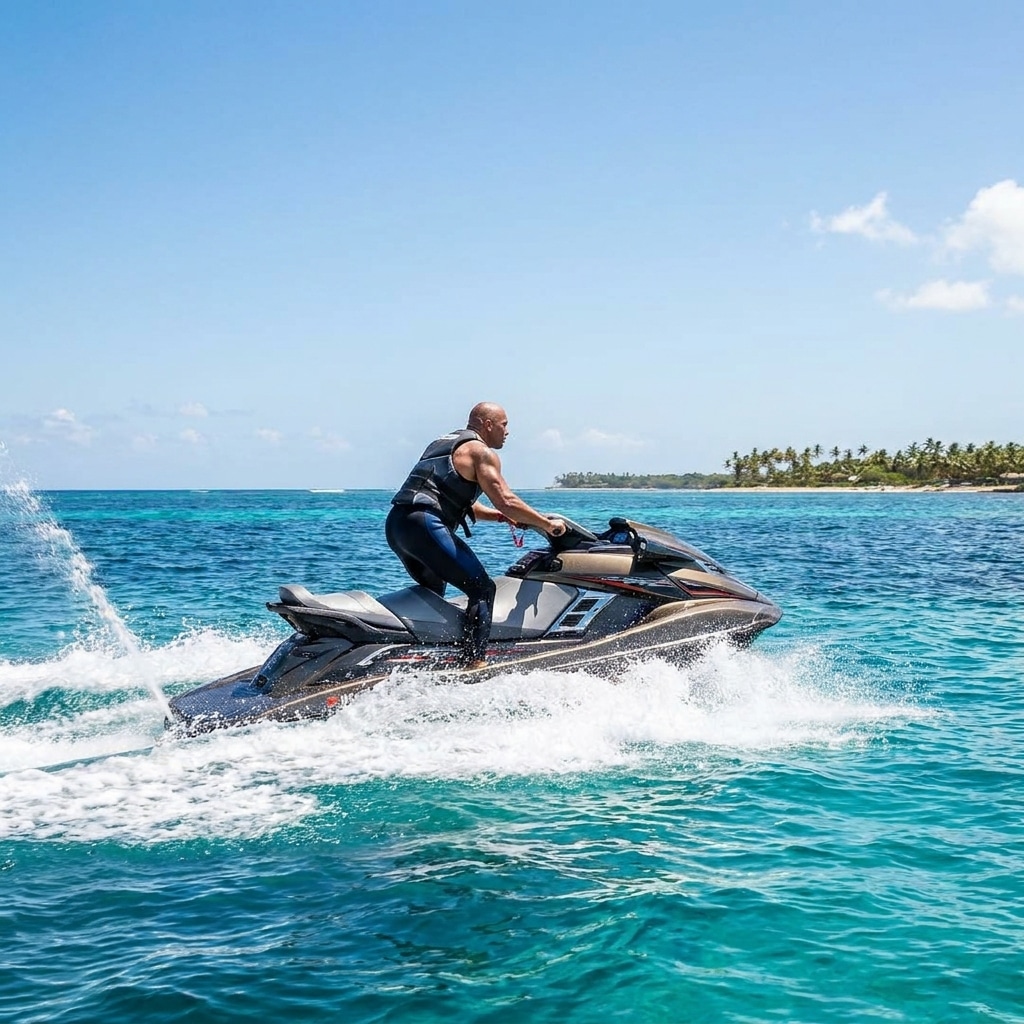
Dreaming of carving waves, paddling serene lakes, or feeling the rush of a jet ski? Water sports deliver unparalleled thrills and unforgettable adventures. But before you dive in, there’s one non-negotiable piece of gear that ensures every splash is a safe one: a reliable life jacket.
Whether you’re a seasoned enthusiast or just starting out, investing in the right personal flotation device (PFD) is paramount. With a myriad of options flooding the market, how do you choose the best life jacket for your specific aquatic escapades? This guide cuts through the noise, helping you find the perfect blend of safety, comfort, and performance for 2025 and beyond.
Why a Life Jacket Isn’t Optional – It’s Essential Safety Gear
Life jackets, often referred to as PFDs (Personal Flotation Devices), are far more than just a regulatory requirement; they are your primary line of defense on the water. Even the strongest swimmers and most experienced athletes can face unexpected challenges, from sudden currents to unforeseen accidents.
A high-quality life jacket significantly reduces the risk of drowning by keeping you afloat and your head above water. This crucial buoyancy conserves your energy, prevents panic, and buys valuable time for self-rescue or assistance. Furthermore, many modern PFDs feature bright colors and reflective elements, greatly enhancing your visibility to rescuers, especially in low light or rough conditions.
Understanding the Different Types of Life Jackets (PFDs)
Before selecting your ideal PFD, it’s vital to understand the classification system. The U.S. Coast Guard (USCG) categorizes life jackets into five types, each designed for specific conditions and activities. Knowing these distinctions will help you make an informed decision for optimal safety.
Type I: Offshore Life Jackets
These are the most buoyant PFDs, designed for rough, open, or remote waters where rescue might be delayed. Type I jackets are engineered to turn an unconscious person face-up in the water, offering maximum protection. They are bulky but offer unparalleled safety in extreme conditions.
Type II: Near-Shore Buoyancy Vests
Ideal for calm, inland waters where quick rescue is likely, Type II PFDs offer less buoyancy than Type I. They can turn some unconscious individuals face-up but are less reliable in rough conditions. These are a good balance of comfort and safety for many recreational boaters.
Type III: Flotation Aids
Type III PFDs are the most common choice for general water sports due to their comfort and range of motion. They are designed for conscious wearers in calm waters where rescue is prompt. While they offer excellent buoyancy, they may not turn an unconscious person face-up.
Type IV: Throwable Devices
Unlike other types, Type IV PFDs are not meant to be worn. These are throwable devices like ring buoys or seat cushions, intended to be thrown to someone in distress. They serve as a supplementary safety tool rather than a primary life jacket.
Type V: Special Use Devices
These PFDs are approved for specific activities and often combine features of other types with specialized designs. Examples include kayaking vests with specific pocket layouts or commercial whitewater rafting vests. They must be worn for their specific approval to be valid.
Key Factors for Choosing the Best Life Jackets for Water Sports
Selecting the perfect life jacket involves more than just picking a color. Consider these critical factors to ensure your PFD meets your safety needs and enhances your water sports experience.
Buoyancy Rating and USCG Approval
Buoyancy, measured in pounds, indicates the amount of flotation a jacket provides. Always look for a USCG-approved label, which guarantees the PFD meets rigorous safety standards. The higher the buoyancy rating, the more lift it offers.
Fit and Comfort for Active Wear
A life jacket must fit snugly but allow for full range of motion. It shouldn’t ride up around your ears when you lift your arms or get in the water. Always consult sizing charts, as sizes vary between brands, and utilize adjustable straps for a customized, secure fit.
Material Durability and Performance
Common materials include neoprene and nylon. Neoprene is known for its comfort, flexibility, and insulation, making it excellent for colder water. Nylon, on the other hand, is lighter, more breathable, quick-drying, and often more budget-friendly. Your activity type should guide your material choice.
Visibility Features
Opt for bright colors like neon green, orange, or yellow to maximize your visibility on the water. Reflective tape or piping is also a significant safety advantage, especially during dawn, dusk, or overcast conditions, making you easier to spot for rescuers.
Practical Pockets and Attachment Points
Many PFDs designed for specific water sports include handy features. Look for pockets to store small essentials like sunscreen or snacks, and attachment points for whistles, knives, or even a small GPS device. These additions can greatly enhance your convenience and safety.
Our Top Picks: The Best Life Jackets for Water Sports in 2025
To help you narrow down your choices, we’ve curated a list of top-performing life jackets that excel in various water sports. Each offers a unique blend of safety, comfort, and specialized features.
1. Stohlquist Edge Life Jacket (Type III)
**Ideal for:** Kayaking, Paddleboarding, Whitewater Rafting
The Stohlquist Edge is a favorite among paddlers for its low-profile design that minimizes bulk and allows for excellent freedom of movement. Its cross-chest cinch straps and adjustable shoulder straps ensure a secure, customized fit without impeding your stroke. Reflective accents are integrated for enhanced visibility, and the large front pocket is perfect for essential gear.
2. O’Neill Men’s Superlite USCG Life Vest (Type III)
**Ideal for:** General Water Sports, Jet Skiing, Wakeboarding
Combining affordability with reliable performance, the O’Neill Superlite is a fantastic entry-level or all-around option. Constructed with lightweight polyethylene foam and a durable coated nylon shell, it offers superb buoyancy and comfort for prolonged wear. Its classic multi-panel design allows for flexibility, making it a great choice for various active water sports.
**Ideal for:** Boating, Fishing, Stand-Up Paddleboarding (where a slim profile is preferred)
For those who prioritize an unrestrictive feel, the Mustang Survival Elite 28K is a premium inflatable PFD. It offers 28 lbs of buoyancy upon automatic water immersion, providing robust safety when needed. The minimalist M.I.T. (Manual Inflatable Technology) design ensures it’s barely noticeable until deployed, perfect for activities where full mobility is critical.
4. NRS Chinook Fishing PFD (Type III)
**Ideal for:** Fishing (especially kayak fishing), Canoeing
Designed with anglers in mind, the NRS Chinook blends top-tier safety with unparalleled utility. It features multiple large pockets for tackle, tools, and gear, alongside specific attachment points for fishing accessories. The mesh lower back design is specifically tailored to accommodate high-back kayak seats, ensuring comfort during long hours on the water.
Conclusion: Ride the Waves with Confidence and the Right Life Jacket
Embarking on water sports adventures should always be an exhilarating, worry-free experience. By understanding the different types of PFDs and considering factors like buoyancy, fit, material, and visibility, you can make an informed decision that guarantees your safety.
Remember, the best life jacket is the one you’ll actually wear, and a properly fitted, USCG-approved PFD is your most vital piece of safety gear. Invest wisely in a quality life jacket tailored to your specific activities, and you’ll be ready to embrace the thrill of the water with ultimate peace of mind. Happy splashing!