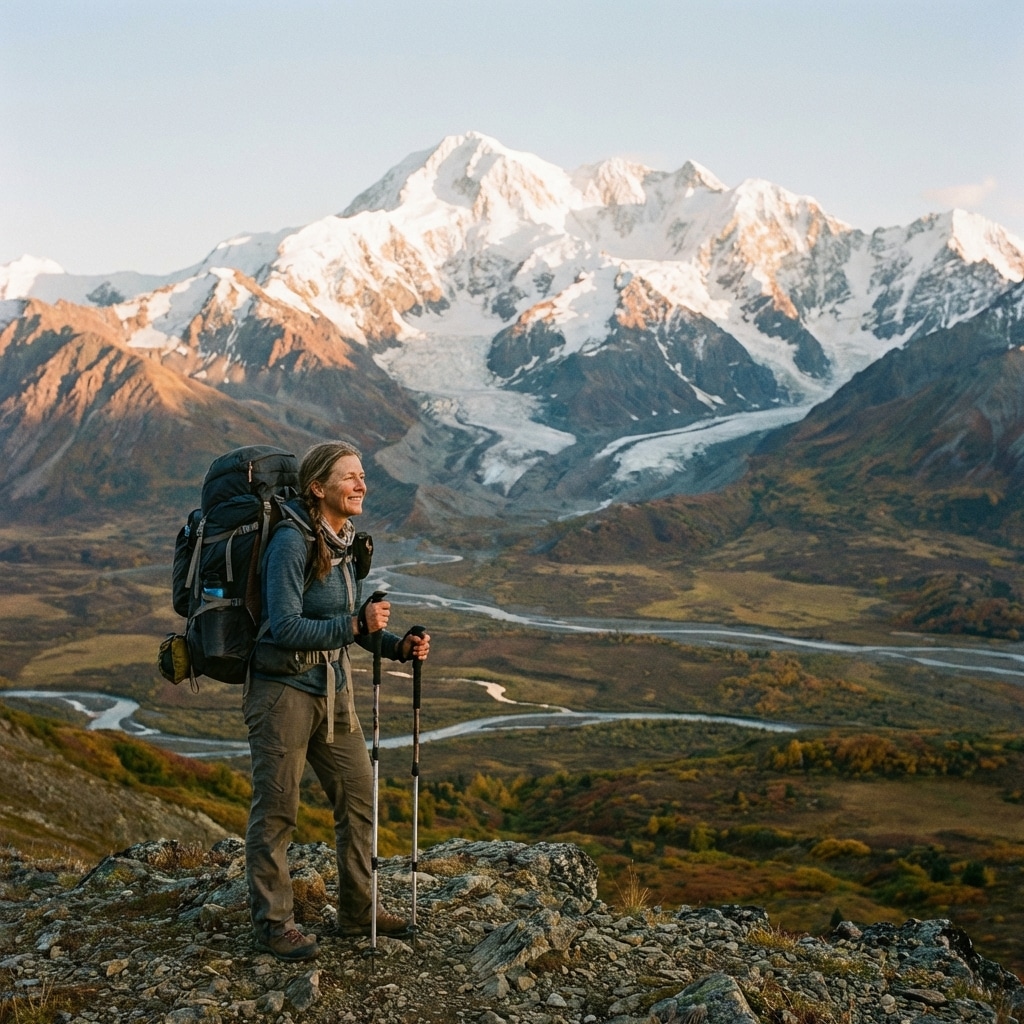
Venturing deep into the wilderness, with a backpack meticulously packed, is an unparalleled joy. But as the sun dips below the horizon and a challenging day on the trail concludes, nothing is more crucial for rejuvenating mind and body than a truly restful night’s sleep. This isn’t just about comfort; it’s about safety, performance, and maximizing your enjoyment of the great outdoors.
That’s why selecting the best sleeping bag for backpacking isn’t merely a gear choice – it’s an investment in your adventure. Whether you’re a seasoned thru-hiker or just beginning your journey into multi-day treks, navigating the vast array of options can be daunting. This comprehensive guide will arm you with the knowledge to choose wisely, ensuring your nights on the trail are as rewarding as your days.
Key Factors: What Makes an Elite Backpacking Sleeping Bag?
To truly understand what sets a top-tier backpacking sleeping bag apart, we need to break down its core characteristics. Each element plays a vital role in ensuring warmth, portability, and comfort in diverse conditions.
Temperature Rating: Decoding Your Comfort Zone
The temperature rating is arguably the most critical factor. This rating indicates the lowest temperature at which the bag will keep an “average” sleeper warm. Most reputable bags adhere to ISO or EN standards, providing a “Comfort” rating (for a comfortable night’s sleep) and a “Limit” rating (where you’ll likely feel cold but won’t be at risk).
It’s crucial to match your bag’s rating to the coldest temperatures you expect to encounter. Always consider your personal metabolism and how warmly you typically sleep. Opting for a bag rated slightly lower than anticipated lows is a common strategy for added safety.
Weight & Packability: Every Ounce Counts
For backpackers, every gram matters. A lightweight, highly compressible sleeping bag is a game-changer, freeing up space and reducing strain on your back. Down insulation typically offers the best warmth-to-weight ratio and compresses remarkably well.
However, modern synthetic insulation has made significant strides, offering excellent performance, especially in wet conditions where down can lose its loft and insulating properties. Hydrophobic down, treated to repel moisture, bridges this gap effectively. Look for higher fill power (e.g., 800-fill-power down) for superior warmth with less bulk.
Shape & Fit: Your Personal Cocoon
The shape of your sleeping bag directly impacts its thermal efficiency and comfort. Mummy bags, with their tapered design, are excellent at trapping heat due to minimal air space, but can feel restrictive. Semi-rectangular bags offer a compromise, providing more wiggle room without a significant warmth penalty.
Rectangular bags provide the most space and comfort, often preferred for car camping, but are generally less efficient at retaining heat for backpacking. Consider your sleep style – side sleepers often prefer more room – and prioritize warmth versus freedom of movement.
Shell Material & Durability: Built to Last
The outer fabric of your sleeping bag needs to be durable, lightweight, and often water-resistant. Ripstop nylon or polyester are common choices, designed to prevent small tears from spreading. A Durable Water Repellent (DWR) coating adds a layer of protection against condensation and light rain, crucial for maintaining insulation performance.
Zipper & Features: The Small Details That Matter
Don’t overlook the smaller features that enhance comfort and functionality. An anti-snag zipper prevents frustrating catches, while a draft collar and draft tube along the zipper prevent cold air from seeping in. A well-designed hood can significantly boost warmth, and sleeping pad straps keep you from rolling off your mat at night.
Top Picks for the Best Backpacking Sleeping Bags in 2025
Based on extensive testing and user feedback, these sleeping bags stand out for their exceptional performance, thoughtful design, and overall value for backpackers.
Nemo Disco 15 (Best for Side Sleepers & Comfort)
The Nemo Disco 15 has earned its reputation as a favorite among side sleepers and those who crave extra room without sacrificing warmth. Its distinctive “spoon shape” is engineered to provide ample space at the elbows and knees, allowing for natural movement and a less confined feeling.
Insulation: 650-fill-power down, offering excellent warmth and compressibility.
Comfort Features: Thermo Gills allow for temperature regulation, preventing overheating.
Durability: Features a waterproof footbox to protect against tent condensation.
Pros: Unmatched comfort for active sleepers, great temperature regulation, durable materials.
Cons: Slightly heavier and bulkier than ultralight mummy bags.
The Therm-a-Rest Questar 20 is a true workhorse, offering a fantastic balance of warmth, weight, and features for three-season backpacking. Its smart design integrates seamlessly with your sleeping pad, enhancing overall warmth and preventing discomfort.
Insulation: 650-fill Nikwax Hydrophobic Down, maintaining loft even in damp conditions.
Integration: SynergyLink Connectors secure the bag to your sleeping pad, boosting warmth and stability.
Design: Zoned insulation concentrates fill on top for maximum warmth where you need it most.
Pros: Excellent warmth-to-weight, superior wet-weather performance from hydrophobic down, brilliant pad integration.
Cons: Pad straps might feel restrictive to some users, not the absolute lightest option.
Sea to Summit Spark III (Ultimate Ultralight Performance)
When every gram counts, the Sea to Summit Spark III rises to the challenge. Weighing just over a pound, this mummy-shaped bag is engineered for minimal weight and maximum warmth, making it the top choice for ultralight backpackers and fast-and-light adventures.
Insulation: Premium 850+ fill power Ultra-Dry Down, offering supreme warmth-to-weight and water resistance.
Design: Tapered mummy shape with a generous footbox and efficient draft-stopping features.
Packability: Compresses down to an incredibly small size, barely noticeable in your pack.
Pros: Exceptionally lightweight and packable, premium down insulation, very warm for its weight.
Cons: Higher price point, snug fit may not appeal to all sleepers, delicate shell fabric.
Choosing Your Perfect Backpacking Sleeping Bag: A Step-by-Step Guide
With so many excellent options, making the right choice can still feel complex. Follow these steps to narrow down your search and find the ideal sleeping bag for your unique adventures.
1. Know Your Trip Conditions
Consider the typical weather and elevation of your planned trips. Are you primarily a summer hiker in mild climates, or do you venture into shoulder seasons with colder nights and potential precipitation? Understanding your expected lowest temperatures is paramount for selecting the correct temperature rating.
2. Understand Your Body & Sleep Style
Are you a “cold sleeper” or a “warm sleeper”? Do you toss and turn, or sleep relatively still? Your preferred sleeping position (back, side, stomach) should influence your choice of bag shape. If possible, try lying in a few different bags to assess the fit and comfort before committing.
3. Balance Weight, Warmth, & Budget
This is the backpacking gear triangle. Generally, lighter and warmer bags (especially down) come with a higher price tag. Determine your priorities: Is ultralight performance essential, or are you willing to carry a bit more for added features or a lower cost? Find the sweet spot that aligns with your specific needs and financial comfort.
4. Don’t Forget the Sleeping Pad!
Crucially, your sleeping bag’s warmth is heavily reliant on your sleeping pad’s insulation. The ground will wick away your body heat quickly. Always pair your sleeping bag with a sleeping pad that has an appropriate R-value (a measure of thermal resistance) for the conditions. A warm bag on a cold pad is a recipe for a miserable night.
Extending the Life of Your Sleeping Bag: Essential Maintenance Tips
A high-quality backpacking sleeping bag is a significant investment. With proper care, it can provide years of comfortable nights on the trail.
Proper Cleaning for Lasting Loft
Minimize washing by using a sleeping bag liner, which can be cleaned much more easily. When your bag does require a full wash, always follow the manufacturer’s instructions diligently. Down bags often require special down-specific detergent and careful, gentle washing in a front-loading machine. Ensure it’s thoroughly dry, which can take several hours in a large dryer with dryer balls.
Storage: Let It Breathe!
Never store your sleeping bag compressed in its small stuff sack for extended periods. This can damage the insulation’s loft, permanently reducing its warmth. Instead, store it loosely in a large mesh storage sack (often included with purchase) or hang it in a cool, dry closet.
Prompt Repairs & Field Care
Small tears should be patched immediately with repair tape (like Tenacious Tape) to prevent further damage and insulation loss. Carry a basic repair kit on your trips for on-the-spot fixes. Lubricating zippers occasionally can also extend their life and prevent frustrating snags.
Conclusion: Invest in Your Wilderness Rest
Choosing the best sleeping bag for backpacking is a cornerstone of a successful and enjoyable outdoor adventure. It’s a careful balance of weight, warmth, packability, and personal comfort. The Nemo Disco 15 offers unparalleled space, the Therm-a-Rest Questar 20 provides versatile 3-season performance, and the Sea to Summit Spark III stands out for ultralight efficiency.
By understanding your specific needs, considering the conditions you’ll face, and investing in proper maintenance, you can select a sleeping bag that guarantees restful nights and fuels countless memorable journeys into the heart of the wild. A great sleeping bag isn’t just gear; it’s your portable sanctuary, ready to embrace you after every challenging day on the trail.