How do young adventurers transform unfamiliar forests into exciting playgrounds? What separates a hesitant hiker from a confident wilderness explorer? For Boy Scouts, the answer often lies in the thrilling world of orienteering. This isn’t just about finding your way; it’s about mastering the wild, building resilience, and unlocking essential life skills with every step.
Join us as we navigate the exciting realm of Boy Scout orienteering, a fundamental adventure that shapes competent and confident outdoor enthusiasts.
What is Boy Scout Orienteering?
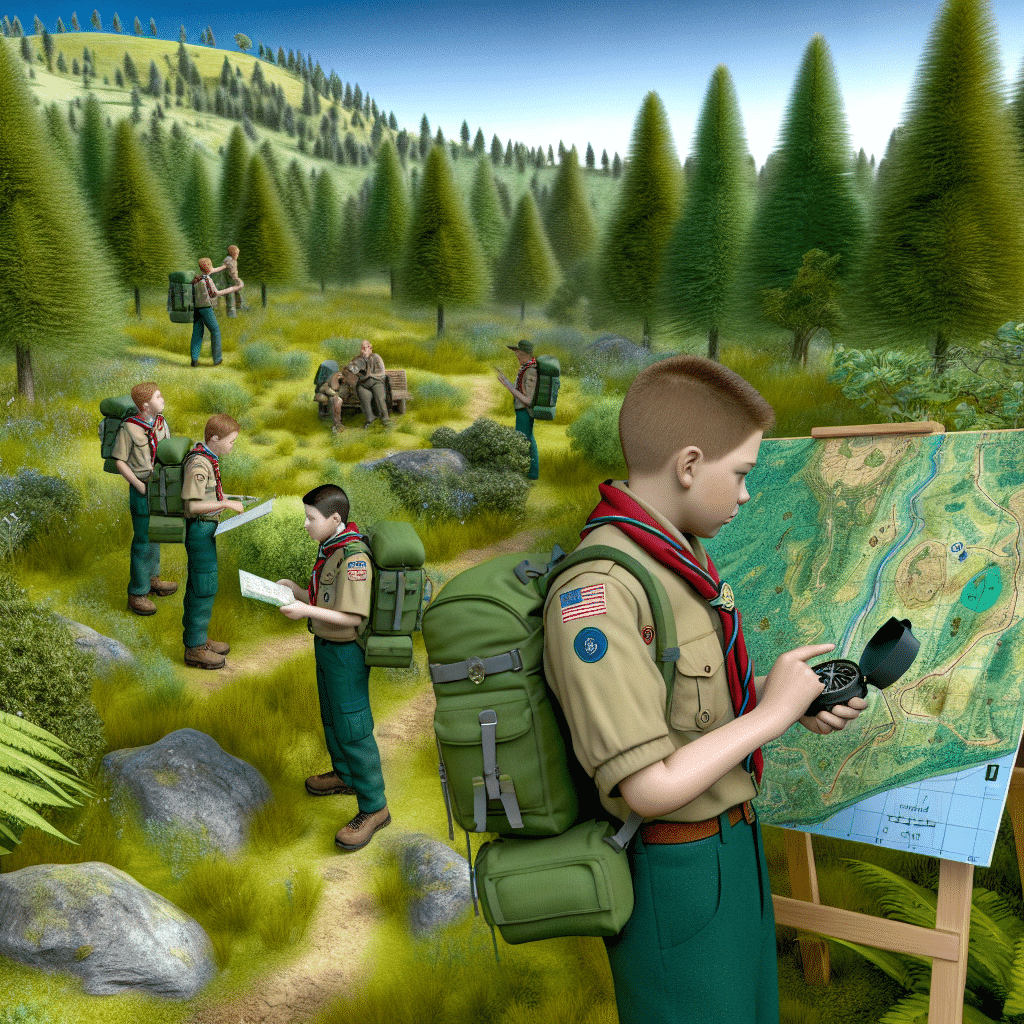
Boy Scout orienteering is an exhilarating outdoor activity that challenges scouts to navigate unfamiliar terrain using only a map and compass. Forget casual trail walks; this is a strategic race against time and nature, where participants locate pre-determined checkpoints, known as control points, in sequence. It’s a true test of accuracy, speed, and strategic thinking in the heart of the wilderness.
Why is Orienteering a Must-Have Skill for Scouts?
Orienteering offers much more than just directional guidance. For young scouts, it’s a foundational experience that cultivates vital life skills. It hones problem-solving abilities, sharpens critical thinking, and fosters undeniable teamwork when navigating with a patrol.
Ultimately, mastering orienteering builds self-reliance, enhances decision-making, and instills a profound respect for the natural world. These are transferable skills invaluable in all aspects of life.
Essential Tools for Mastering Scout Navigation
Success in any wilderness navigation challenge hinges on having the right gear and knowing how to use it proficiently. For Boy Scout orienteering, a few core tools are absolutely indispensable for transforming confusion into clear direction.
1. The Reliable Compass
A high-quality baseplate compass is a scout’s best friend in the field. Scouts learn to use it not just for identifying cardinal directions, but for taking precise bearings, orienting maps to the terrain, and maintaining a consistent direction through varied landscapes. It’s the ultimate guide when natural landmarks are scarce.
2. Decoding Topographical Maps
More than just a flat piece of paper, a topographical map is a detailed blueprint of the land’s three-dimensional features. Scouts are trained to interpret contour lines for elevation changes, identify water features, locate trails, and understand man-made structures. This critical skill allows them to visualize the terrain and plan their routes effectively before even taking a step.
3. The Orienteering Course: Your Training Ground
A well-designed orienteering course transforms a forest or park into an interactive classroom. These courses feature carefully placed control points, often marked with distinctive flags and punch devices, which scouts must find in sequence. They provide the perfect practical environment to apply learned map and compass skills in a safe, yet progressively challenging, setting.
How Boy Scouts Develop Their Orienteering Skills
Preparation is paramount for confident wilderness navigation. Boy Scout troops employ a structured and progressive approach to ensure every scout is equipped with the knowledge and practical experience needed to excel in orienteering.
1. In-Depth Map Reading Workshops
Scouts delve into comprehensive workshops focused on map interpretation, moving beyond basic symbols. They learn to understand scale, measure distances accurately, read contour lines to visualize the landscape’s ups and downs, and interpret terrain features like ridges, valleys, and saddles. These sessions lay the crucial groundwork for effective navigation.
2. Hands-On Compass Skills Training
Effective compass use goes far beyond simply pointing north. Scouts participate in practical exercises to master techniques like taking a bearing, following a bearing accurately, triangulation to pinpoint their precise location, and navigating around obstacles while maintaining their general direction. Repetition in varied environments builds true proficiency and muscle memory.
3. Real-World Practice Courses & Competitions
Theory meets practice on actual orienteering courses. Scouts regularly engage in practice runs, gradually increasing the complexity of the terrain and the number of control points. Many troops also participate in local or regional orienteering competitions, which add an element of friendly rivalry and push scouts to refine their speed and accuracy under pressure.
Beyond Navigation: The Lasting Benefits of Orienteering
While mastering map and compass skills is the immediate goal, the broader impact of Boy Scout orienteering extends far beyond finding one’s way. This activity is a powerful catalyst for personal growth and development, equipping scouts with more than just outdoor competence.
Building Unshakeable Confidence
Successfully navigating through challenging terrain, making independent decisions, and reaching control points builds immense self-confidence. Each triumphant finish reinforces a scout’s belief in their own capabilities, fostering a “can-do” attitude that translates to other areas of life, from academics to personal challenges.
Sharpening Problem-Solving Abilities
Orienteering is a constant stream of micro-problems: “Which way around this swamp?” “Did I overshoot the trail?” Scouts must quickly analyze situations, adapt their plans, and make informed decisions on the fly. This sharpens their analytical and critical thinking skills under pressure, essential for navigating complex situations in the real world.
Fostering Physical & Mental Fitness
The physical demands of orienteering—hiking, running, and scrambling through varied landscapes—provide an excellent full-body workout, contributing to cardiovascular health and endurance. Equally important is the mental workout, which enhances focus, concentration, and spatial reasoning as scouts constantly process information from their map and surroundings.
Developing Leadership and Teamwork
Often performed in patrols, orienteering inherently promotes teamwork and effective communication. Scouts learn to share responsibilities, discuss strategies, and support each other through challenges. Within these small teams, natural leaders emerge, guiding their peers and fostering a sense of collective achievement and shared success.
Ready for the Adventure? Embrace Boy Scout Orienteering!
Boy Scout orienteering is more than just an outdoor activity; it’s a cornerstone of the scouting experience, delivering an unparalleled blend of adventure, education, and personal development. It equips young people with the practical navigation skills to confidently explore the natural world and the essential life skills to navigate life’s challenges.
Whether you’re a scout eager for your next wilderness challenge, a leader planning enriching activities, or a parent looking for impactful youth programs, the world of Boy Scout orienteering beckons. Embrace the map, trust your compass, and embark on an unforgettable journey of discovery and growth!