For outdoor enthusiasts, the call of the wild is undeniable. Whether you’re a seasoned adventurer or just dreaming of your first night under the stars, one truth remains: your camping experience hinges on your gear. The right equipment doesn’t just make your trip easier; it ensures safety, comfort, and unforgettable memories.
But with an overwhelming array of options, how do you know what to choose? From durable tents to cozy sleeping bags, understanding the world of camping gear is your first step to a successful outdoor escape.
Why Investing in Quality Camping Gear Matters
It’s tempting to cut corners when buying camping equipment, especially when faced with higher price tags. However, experienced campers will tell you that sacrificing quality for a lower price is a common mistake. Investing in robust, well-made outdoor gear pays dividends in the long run.
High-quality gear offers superior performance, durability, and most importantly, reliability. Imagine your tent failing in a sudden storm or your sleeping bag not keeping you warm. Premium items are often built to withstand harsh conditions and last for years, saving you money and stress on future trips.
Your Essential Camping Gear Checklist for Beginners
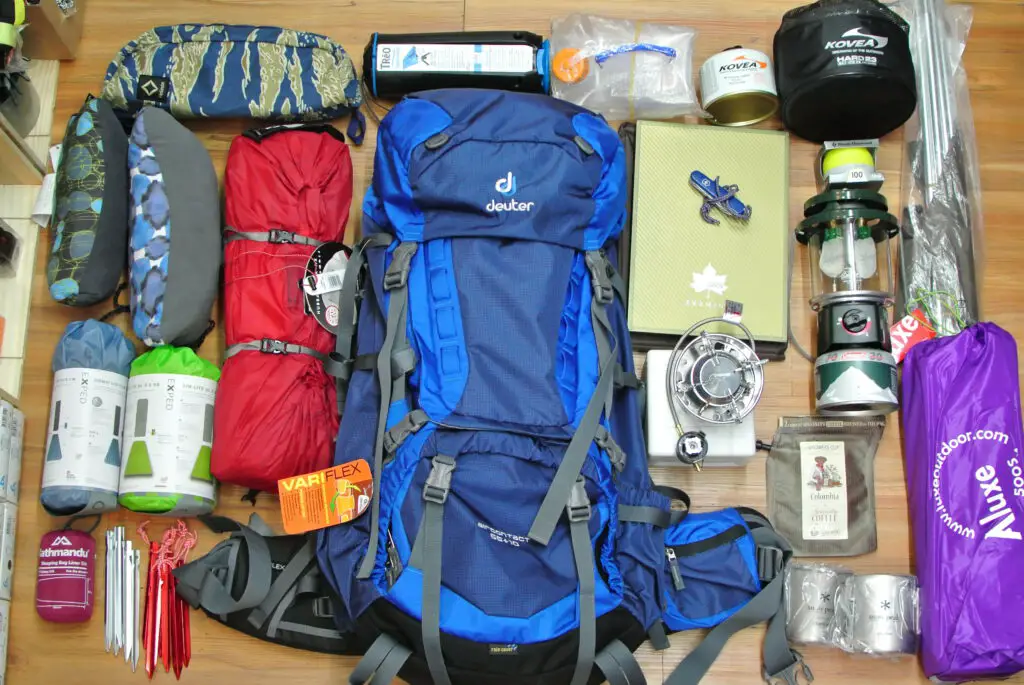
Starting your camping journey can feel daunting, but a solid foundation of essential gear makes all the difference. This beginner camping gear list focuses on the core items you’ll need for most basic trips. Remember, the goal is to bring everything you need, and nothing more.
Shelter and Sleep
- Tent: Your primary shelter from the elements. Choose one appropriate for your group size and expected weather.
- Sleeping Bag: Rated for the temperatures you anticipate. Consider mummy bags for warmth or rectangular bags for more space.
- Sleeping Mat/Pad: Crucial for insulation from the cold ground and added comfort.
- Pillow: A small inflatable pillow or even a stuff sack filled with clothes can make a big difference.
Cooking and Hydration
- Camp Stove & Fuel: For cooking meals and boiling water.
- Cookware: Pot, pan, and basic utensils.
- Eating Utensils & Plate/Bowl: Reusable options are best.
- Water Bottle/Hydration Reservoir: Staying hydrated is paramount.
- Water Filter/Purifier: Especially important if you’re not carrying all your water.
Navigation and Safety
- First-Aid Kit: Non-negotiable. Include bandages, antiseptic wipes, pain relievers, moleskin, and any personal medications.
- Headlamp/Flashlight: With extra batteries. Essential for navigating in the dark.
- Map & Compass/GPS: Even if you have a phone, reliable navigation tools are vital.
- Power Bank/Portable Charger: For your phone and other devices.
- Multi-tool/Pocket Knife: Incredibly versatile for various tasks.
- Whistle: For signaling in emergencies.
- Fire Starter: Waterproof matches, lighter, or ferro rod.
Clothing and Personal Items
- Appropriate Layers: Non-cotton clothing suitable for expected weather (base, mid, outer layers).
- Sturdy Footwear: Hiking boots or comfortable shoes.
- Rain Gear: Waterproof jacket and pants.
- Sun Protection: Hat, sunglasses, sunscreen.
- Insect Repellent: Keep those pesky bugs away.
- Personal Toiletries: Toothbrush, toothpaste, biodegradable soap.
Tailoring Your Gear to Your Camping Style
The “best camping gear” isn’t a one-size-fits-all answer; it depends entirely on your adventure. Consider your trip duration, location, season, group size, and primary activities to customize your gear list.
Car Camping: Comfort and Convenience
If you’re car camping, portability is less of an issue, allowing for more amenities. Think larger tents, comfortable air mattresses, coolers, camp chairs, and even a portable grill. You can bring heavier, bulkier items to enhance your comfort.
Backpacking: Lightweight and Compact
For hikers and backpackers, every ounce counts. Prioritize ultralight backpacking gear, compact tents, minimalist cooking systems, and multi-functional items. Focus on essentials to reduce pack weight and improve mobility on the trail.
Winter Camping: Extreme Protection
Winter camping demands specialized equipment to combat extreme cold. You’ll need four-season tents, sub-zero rated sleeping bags, insulated sleeping pads, and heavy-duty winter clothing (down-filled coats, waterproof boots, thermal layers, warm gloves, wool socks). Proper gear is critical for survival and enjoyment.
Glamping: Luxury in the Wild
Glamping combines nature with luxury. While the site often provides the tent, you might bring personal comforts like premium sleeping bags, plush pillows, inflatable mattresses, decorative blankets, and gourmet cooking accessories. It’s about enhancing your outdoor experience with upscale amenities.
Smart Shopping for Your Outdoor Gear
Finding the right camping gear at the right price is part of the adventure. Both new and used markets offer excellent options if you know what to look for.
Buying New: Research and Reviews
When purchasing new camping equipment, thorough research is key. Read consumer reports and online reviews from reputable outdoor gear websites. Check for product recalls or known defects before committing to a brand or model. Online retailers often provide competitive pricing and a wider selection than local stores.
Buying Used: Quality on a Budget
For budget-conscious campers, buying used gear can be a fantastic way to save money without compromising quality. Look for reputable outdoor consignment shops or specialized online marketplaces. When buying used, always inspect items carefully for damage like rips, broken zippers, or compromised waterproofing. Ask the seller about the item’s history, usage, and any existing warranties.
Finding the Best Deals
The internet makes it incredibly easy to compare prices and find deals on camping supplies. Websites like Amazon, eBay, and dedicated outdoor retailer sites frequently offer sales, discounts, and free shipping. Don’t forget to check customer ratings and reviews to ensure you’re getting a reliable product.
Caring for Your Camping Equipment: Longevity Tips
Proper maintenance extends the life of your valuable outdoor gear. After each trip, clean and thoroughly dry all items before storing them. This prevents mildew, rust, and material degradation.
Store your gear in a cool, dry place, ideally loosely packed rather than tightly compressed. For specific items like tents and sleeping bags, follow manufacturer cleaning and storage instructions to preserve their integrity and performance for many adventures to come.
Transporting Your Gear Smartly
Efficiently packing your camping equipment ensures a smoother journey. If traveling by car, measure your boot space and plan how items like tents, sleeping bags, and cooking gear will fit. Utilize storage bags and organizational systems to keep everything tidy and accessible.
For backpacking, learn proper packing techniques to distribute weight evenly and maximize space within your pack. A well-packed bag makes a significant difference in comfort on the trail.
Conclusion: Gear Up and Explore!
The world of camping gear is vast, but with a clear understanding of your needs and a focus on quality, you’ll be well-prepared for any adventure. From basic essentials to specialized equipment, equipping yourself properly ensures your time in the great outdoors is safe, comfortable, and truly enjoyable.
So, take the time to research, invest wisely, and care for your gear. Then, get out there and make some incredible memories!