Few outdoor experiences rival the profound tranquility and exhilarating adventure of a well-planned canoeing trip. Imagine silently gliding across a mirror-smooth lake at dawn, navigating a winding river through ancient forests, or tackling the thrill of mild whitewater rapids. Canoeing offers a unique, harmonious blend of physical activity and deep nature appreciation, inviting you to slow down, observe, and connect.
If you’re seeking your next unforgettable outdoor excursion, a canoeing adventure promises memories that will last a lifetime. Whether you’re a seasoned paddler or dreaming of your first voyage, this comprehensive guide will equip you with everything you need to paddle toward extraordinary experiences.
Why Choose Canoeing for Your Next Adventure?
Beyond just a mode of transport, canoeing offers a gateway to unparalleled natural experiences and personal growth. It’s an outdoor pursuit that caters to a wide array of interests, from peaceful solitude to family bonding and challenging expeditions.
Unparalleled Connection with Nature
Unlike motorized boats, canoes provide a silent, non-invasive way to explore aquatic environments. This quiet approach doesn’t disturb wildlife, allowing for incredible close-up encounters with birds, deer, otters, and other animals in their natural habitats. You’ll hear the gentle splash of your paddle, the rustle of leaves, and the calls of the wild, fostering a truly immersive experience.
Physical and Mental Wellness Benefits
Canoeing is an excellent full-body workout, engaging your core, arms, shoulders, and even legs as you paddle and maneuver. It’s also a fantastic stress reliever, allowing you to disconnect from daily pressures and find peace on the water. The rhythmic motion of paddling and the serene surroundings contribute significantly to mental clarity and relaxation.
An Adventure for All Ages and Skill Levels
One of the greatest joys of canoeing is its accessibility. From young children eager for discovery to older adults seeking gentle recreation, people of all ages can enjoy a day (or several!) on the water. Canoeing trips can be tailored from a few hours of leisurely paddling to multi-day wilderness expeditions complete with camping gear, making it perfect for solo adventurers, couples, or family canoeing trips.
Essential Planning for Your Canoeing Trip
Thorough preparation is the key to a safe and enjoyable canoeing adventure. From selecting the right gear to meticulous route planning, these steps will ensure you’re ready for whatever the water throws your way.
Your Comprehensive Canoeing Gear Checklist
Having the right equipment can significantly enhance your experience and safety. Here’s what you’ll need for any successful canoeing trip:
Canoe and Paddles: The foundation of your journey. Choose a canoe that matches your group size and intended use (e.g., lightweight for portaging, stable for families). Ensure paddles are sized correctly for each paddler.
Life Jackets (PFDs): Non-negotiable safety gear. Every person on board must wear a properly-sized Personal Flotation Device at all times. Check for Coast Guard approval.
Dry Bags & Barrels: Crucial for keeping your clothing, sleeping bags, electronics, and food completely dry, especially on multi-day excursions.
Navigation Tools: A waterproof map, compass, and GPS device (with extra batteries or power bank) are vital, particularly in unfamiliar or remote areas. Know how to use them!
First Aid Kit: A comprehensive kit equipped for minor injuries, blisters, and emergency situations is essential. Consider carrying a wilderness first aid guide.
Camping Gear (for Multi-Day Trips): Pack a lightweight, waterproof tent, warm sleeping bags suitable for the expected temperatures, sleeping pads, and compact cooking supplies (stove, fuel, pots).
Appropriate Clothing: Opt for quick-dry, moisture-wicking synthetic fabrics. Layers are key for varying weather. Don’t forget a wide-brimmed hat, sunglasses, and reef-safe sunscreen for sun protection. Water shoes are also recommended.
Water and Food: Carry plenty of drinking water or a reliable water filter/purifier. Pack non-perishable, energy-dense snacks and meals.
Emergency Supplies: Whistle, headlamp/flashlight, knife, fire starter, repair kit for your canoe, and a rope.
Planning Your Canoeing Route and Permits
Careful route planning is crucial for a safe and enjoyable trip. Consider the skill level of all participants and the expected water conditions. Beginners should stick to calm lakes or slow-moving rivers, while experienced paddlers might seek the thrill of whitewater or coastal expeditions.
Research Thoroughly: Investigate potential obstacles like rapids, portage routes, dams, and waterfalls. Understand the entry and exit points, as well as any designated campsites.
Check Weather and Water Levels: Always monitor forecasts before and during your trip. High water can create stronger currents and new hazards, while low water can expose rocks.
Permits and Regulations: Many wilderness areas, national parks, and provincial parks require permits for overnight stays or even day use. Check with local authorities well in advance.
Inform Others: Always share your detailed itinerary, including your planned route, expected return time, and contact information, with a trusted person who is not on the trip.
Top Canoeing Destinations Worldwide
From serene wilderness lakes to dramatic river canyons, the world offers an incredible variety of locations perfect for your next canoeing adventure. Here are some of the most renowned spots.
Premier Canoeing Spots in North America
Boundary Waters Canoe Area Wilderness (BWCA), Minnesota, USA: A true paddler’s paradise with over 1,200 miles of canoe routes, pristine lakes, and abundant wildlife. Perfect for multi-day wilderness expeditions.
Allagash Wilderness Waterway, Maine, USA: This 92-mile protected river corridor offers a remote and tranquil journey through classic New England forests, ideal for those seeking solitude.
Everglades National Park, Florida, USA: Experience a unique ecosystem paddling through mangrove tunnels and shallow sawgrass marshes, spotting alligators, birds, and other unique wildlife.
Algonquin Provincial Park, Ontario, Canada: Canada’s oldest provincial park is a haven for canoeing enthusiasts, featuring a vast network of interconnected lakes and rivers, designated portages, and backcountry camping.
Green River, Utah, USA: Explore dramatic red rock canyons, ancient petroglyphs, and diverse ecosystems. Offers sections for both calm, scenic floats and exciting whitewater rapids.
International Hotspots for Paddle Trips
Sognefjord, Norway: Paddle through the majestic “King of the Fjords,” the world’s second-longest fjord, surrounded by towering cliffs, cascading waterfalls, and picturesque villages.
Mekong River, Southeast Asia: Explore the rich cultural tapestry of countries like Laos, Cambodia, and Vietnam from the water, witnessing local life and incredible landscapes.
Lake District, United Kingdom: A UNESCO World Heritage site, its numerous stunning lakes and tarns provide a picturesque and often gentle setting for a relaxing paddle amidst rolling hills and charming villages.
Tips for an Unforgettable and Safe Canoeing Trip
Beyond preparation, certain practices will ensure your canoeing trip is both safe and maximizes your enjoyment while preserving the natural beauty around you.
Prioritize Safety on the Water
Always Wear Your PFD: Even strong swimmers can get into trouble in cold water or strong currents.
Monitor Weather Conditions: Storms can develop rapidly. If high winds, lightning, or heavy rain are forecast, seek shelter on shore or postpone your trip.
Stay Hydrated and Protected: Drink plenty of water and reapply sunscreen frequently. Sun exposure can be intense on the water.
Know Your Limits: Don’t attempt routes beyond your skill level or paddle in conditions that make you uncomfortable.
Paddle with a Buddy: While solo trips are possible, paddling with at least one other person adds a significant layer of safety.
Practice Leave No Trace Principles
As visitors to pristine environments, we have a responsibility to minimize our impact. Adhering to Leave No Trace principles ensures these beautiful places remain untouched for future generations.
Pack It In, Pack It Out: Carry out all your trash, including food scraps and hygiene products.
Dispose of Waste Properly: Human waste should be buried in a cathole 6-8 inches deep and at least 200 feet from water, camps, and trails.
Minimize Campfire Impacts: Use established fire rings, keep fires small, and ensure they are completely extinguished.
Respect Wildlife: Observe animals from a distance. Never feed them or disturb their natural behaviors.
Travel and Camp on Durable Surfaces: Stick to established trails and campsites to minimize erosion and vegetation damage.
Enhance Your Canoeing Experience
Capture Memories: Bring a waterproof camera or a phone in a protective case to document the breathtaking scenery and unexpected wildlife sightings.
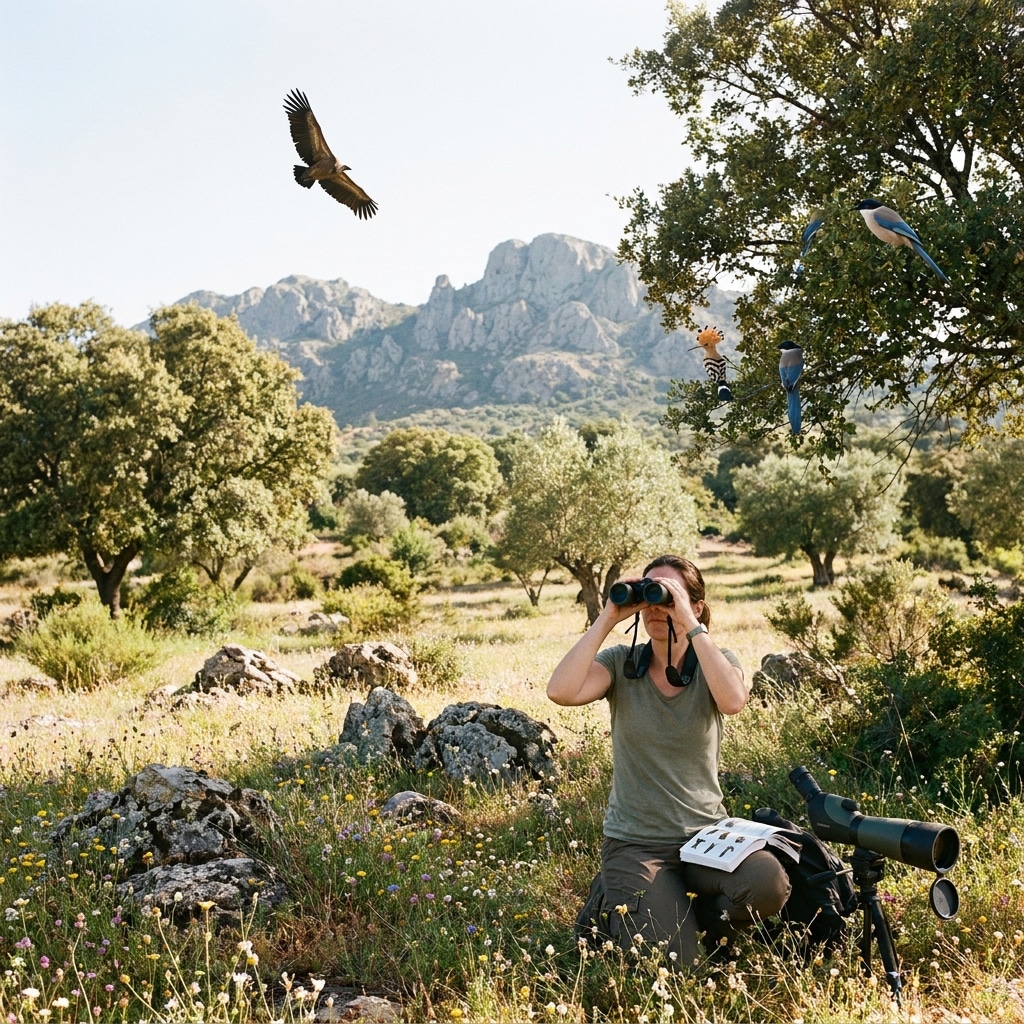
Observe Wildlife: Binoculars can greatly enhance your ability to spot and observe birds and other animals from a respectful distance.
Add Comfort: A lightweight, portable hammock or comfortable camp chair can elevate your relaxation during shore breaks or at your campsite.
Learn Basic Skills: Before your trip, practice basic strokes (forward, draw, pry, J-stroke) and canoe rescues.
Embark on Your Next Canoeing Trip
Canoeing trips offer an extraordinary blend of connection with nature, physical challenge, and profound serenity. From tranquil paddles on glassy lakes to adrenaline-pumping whitewater adventures, there’s a canoeing experience awaiting everyone. With proper preparation, respect for the environment, and an adventurous spirit, your next paddle trip is sure to be safe, enjoyable, and filled with unforgettable memories.
So, gather your gear, plan your route, and embrace the call of the wild. Grab your paddle, step into your canoe, and embark on a journey that promises both breathtaking beauty and thrilling exploration. The waterways are calling!