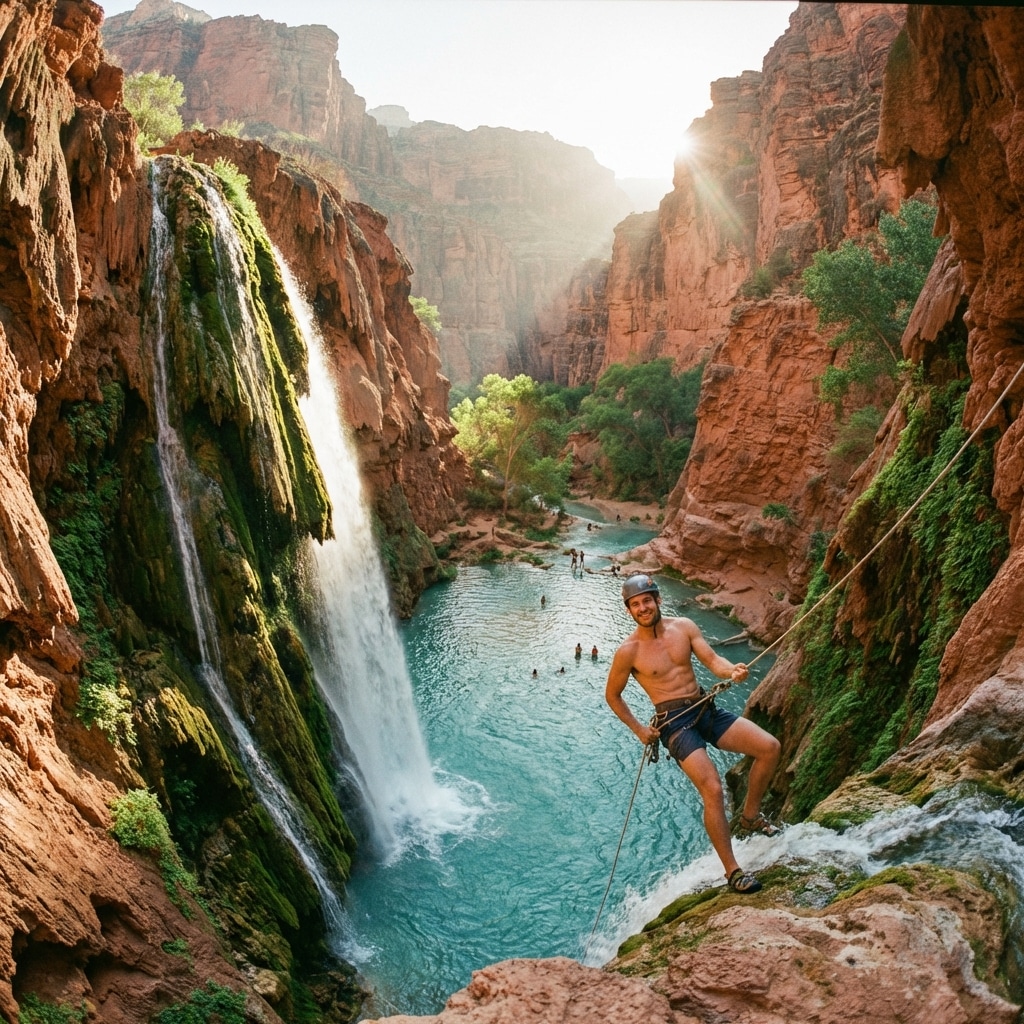
Canyoning, often called canyoneering in the United States, is the ultimate blend of adventure sports. Imagine hiking, climbing, swimming, and rappelling through breathtaking canyons, carved over millennia by the relentless force of water. It’s an exhilarating dance with nature, pushing your limits in some of the planet’s most stunning, yet challenging, environments.
But to truly conquer these watery labyrinths, you need more than just grit; you need the right gear. Among the most critical pieces of equipment, ensuring both your safety and convenience, is the specialized canyoning bag. This isn’t just any backpack; it’s a meticulously designed companion built to withstand the unique rigors of a canyoning expedition. Understanding its vital role can profoundly transform your next thrilling outing.

What is a Canyoning Bag and Why is it Indispensable?
A canyoning bag, or canyoneering pack, is far more than a simple carrier for your essentials. It’s a high-performance, specialized backpack engineered specifically for the extreme demands of navigating narrow gorges, rugged rock formations, and powerful currents. Unlike standard hiking backpacks, a canyoning bag is a purpose-built tool designed to protect your gear and streamline your movement through water-filled terrain.
Engineered for Extremes: The Core Features
The unique environment of a canyon necessitates features you won’t find in typical outdoor gear. Every aspect of a quality canyoning bag is optimized for performance in wet, abrasive, and dynamic conditions, making it an indispensable part of your technical canyoning equipment.
- Waterproof Construction: Your electronic devices, dry clothes, and food simply cannot get wet. Canyoning bags are crafted from highly waterproof materials like PVC or TPU-coated fabrics, often featuring roll-top closures or watertight zippers to keep internal contents dry, even when fully submerged.
- Unmatched Durability: Canyons are notoriously abrasive environments, with jagged rocks and rough surfaces constantly testing your gear. These bags are constructed with robust, rip-resistant materials and reinforced stitching, ensuring they can withstand countless scrapes, bumps, and drags without failing.
- Efficient Drainage System: A hallmark of any good canyoning pack is its ability to shed water quickly. Integrated drain holes, mesh panels, or even full mesh bottoms prevent the bag from becoming waterlogged and heavy, which would hinder your progress and increase fatigue.
- Comfort and Ergonomic Fit: Given the strenuous nature of canyoning, comfort is paramount. These packs feature ergonomic designs with adjustable, padded shoulder straps, supportive waist belts, and chest harnesses. This ensures even weight distribution and a snug fit that won’t shift during climbs, rappels, or swims.
- Strategic Attachment Points: Canyoning requires a lot of specialized gear. External daisy chains, reinforced loops, and robust clips allow you to securely attach ropes, helmets, carabiners, and other technical equipment, keeping them accessible yet out of the way.
Choosing Your Ultimate Canyoning Companion: A Buyer’s Guide
Selecting the right canyoning bag is crucial for a successful and enjoyable trip. Consider these factors carefully to find a pack that perfectly matches your adventure style and needs. It’s an investment in your safety and efficiency in the field.
Size & Capacity: Matching Your Adventure
Canyoning bags typically range from 20 to 50 liters. For shorter, half-day trips with minimal communal gear, a smaller 20-30 liter bag might suffice. Longer or multi-day expeditions, which require more ropes, food, and personal items, will demand a larger 35-50 liter pack to accommodate all your essential canyoneering gear.
Material & Construction: Built to Last
Focus on bags made from heavy-duty, abrasion-resistant materials like PVC Tarpaulin or high-denier TPU-coated nylon. These materials offer superior waterproofing and toughness. Examine the seams; they should be welded or heavily reinforced to prevent leaks and tears under stress.
The Drainage Dilemma: How Water Escapes
An effective drainage system is non-negotiable. Look for packs with multiple, strategically placed drain holes in the bottom and sides, often reinforced with grommets. Some advanced designs feature mesh bottoms or side panels, ensuring water exits rapidly without trapping sand or debris inside the bag.
Comfort & Fit: Your Back Will Thank You
You’ll be wearing this pack for hours, often in challenging positions. Prioritize adjustable and well-padded shoulder straps, a comfortable waist belt, and a chest strap. Try on different models with some weight to simulate your gear load, ensuring a snug fit that doesn’t restrict movement or chafe.
Accessibility & Organization: Gear at Your Fingertips
Quick access to essential items can be a lifesaver. Consider bags with wide-mouth openings, often roll-top, for easy packing and retrieval. Internal pockets or attachment loops can help organize smaller items, preventing them from sinking to the bottom of the bag and becoming hard to find.
Reputation & Reviews: Trust the Experts
Research reputable brands known for their quality canyoning equipment. Companies like Petzl, Canyoneer, and AlpDesigns are trusted names in the community. Read user reviews to gauge real-world performance and durability, ensuring you invest in a reliable product.
Essential Gear: What to Pack in Your Canyoning Bag
Packing your canyoning bag requires careful thought, prioritizing safety, efficiency, and preparedness for the unexpected. A well-packed bag means you’re ready for any challenge the canyon throws your way.
Personal Safety & Comfort
- Personal Protective Equipment (PPE): Helmet, harness, appropriate wetsuit (depending on water temperature), and sturdy canyoning shoes with excellent grip.
- Gloves: Protect your hands during rappelling and scrambling.
- First Aid Kit: A comprehensive kit for minor injuries, blisters, and emergencies.
Technical Canyoning Equipment
- Ropes: Static or semi-static canyoning ropes, appropriate length for the canyon’s longest rappel.
- Hardware: Carabiners, descenders (e.g., ATC, Pirana), ascenders, and webbing/slings for anchor building.
- Rope Protection: Rope pads or tarps to protect ropes from sharp edges.
Emergency Preparedness
- Emergency Blanket/Shelter: For warmth in unexpected situations.
- Whistle: For signaling in noisy environments.
- Headlamp/Torch: Even on a sunny day, deep canyons can get dark. Always carry a backup light source.
Sustenance & Navigation
- Hydration: Water bottles or a hydration bladder.
- Nutrition: Energy bars, gels, and waterproof snacks to sustain energy throughout the day.
- Navigation Tools: Waterproof map, compass, and a fully charged GPS device or smartphone with downloaded maps.
Post-Adventure Essentials
- Dry Clothes: A complete change of dry clothes, sealed in a dry bag, for comfort after exiting the canyon.
- Multi-tool: Handy for various minor adjustments or repairs.
- Waterproof Camera: To capture incredible memories without risking damage.
Maximizing Longevity: Care and Maintenance for Your Canyoning Pack
Your canyoning bag is an investment. Proper care and maintenance will not only extend its lifespan but also ensure it performs reliably on every adventure. Neglecting your gear can compromise its integrity and, potentially, your safety.
Post-Trip Ritual: Cleaning Your Bag
After each canyoning trip, thoroughly rinse your bag with fresh, cool water, both inside and out. This removes sand, grit, salt, and organic debris that can abrade fabrics and clog zippers. For stubborn grime, use a mild, non-detergent soap and a soft brush. Rinse thoroughly again and allow the bag to air dry completely in a shaded, well-ventilated area before storage. Never use a machine dryer or harsh chemicals.
Smart Storage Solutions
Once clean and dry, store your canyoning bag in a cool, dry place away from direct sunlight, which can degrade fabrics over time. Avoid damp basements or garages, as these can promote mold and mildew growth. Ensure no heavy objects are placed on top of it, which could deform its structure or stress seams.
Pre-Adventure Inspection: Your Safety Check
Before every outing, perform a meticulous inspection of your pack. Check all seams for signs of fraying or separation, particularly in high-stress areas. Examine zippers, buckles, and attachment points for damage, corrosion, or wear. Look for any punctures or abrasions in the fabric that could compromise waterproofing or durability. Early detection of wear and tear can prevent equipment failure in the field.
Conclusion: Elevate Your Canyoning Experience with the Right Bag
In the thrilling world of canyoning, your equipment is not just gear; it’s an extension of your capability and a guardian of your safety. A high-quality, purpose-built canyoning bag is an absolute necessity, not a luxury. It meticulously protects your vital gear from water and abrasion, enhances your comfort through challenging terrain, and ensures you can focus entirely on the unparalleled beauty and excitement of your adventure.
By thoughtfully choosing the right canyoning bag and committing to its proper maintenance, you equip yourself for countless unforgettable excursions. Immerse yourself fully in nature’s most exhilarating landscapes, knowing your essential gear is secure and accessible. Happy adventuring!