Ever wondered what it’s like to navigate through ancient riverbeds, rappel down cascading waterfalls, and plunge into crystal-clear pools nestled deep within the earth? This isn’t just a fantasy; it’s the thrilling reality of canyoning, an adventure sport captivating enthusiasts worldwide. Often called canyoneering in North America, this multifaceted outdoor activity offers an unparalleled blend of challenge, exploration, and natural beauty.
If you’re curious about diving into this exhilarating pursuit, you’re in the right place. This article will thoroughly define canyoning, explore the skills required, highlight essential gear, and reveal why it has become a global phenomenon. Prepare to discover your next great adventure.
What Exactly is Canyoning? The Ultimate Outdoor Adventure Defined
At its core, canyoning involves traversing deep canyons and gorges using a variety of techniques. These incredible natural formations, sculpted over millennia by water erosion, present a dynamic environment that demands both physical prowess and technical skill. It’s an immersive journey that literally takes you into the heart of untouched wilderness.
A Symphony of Outdoor Skills
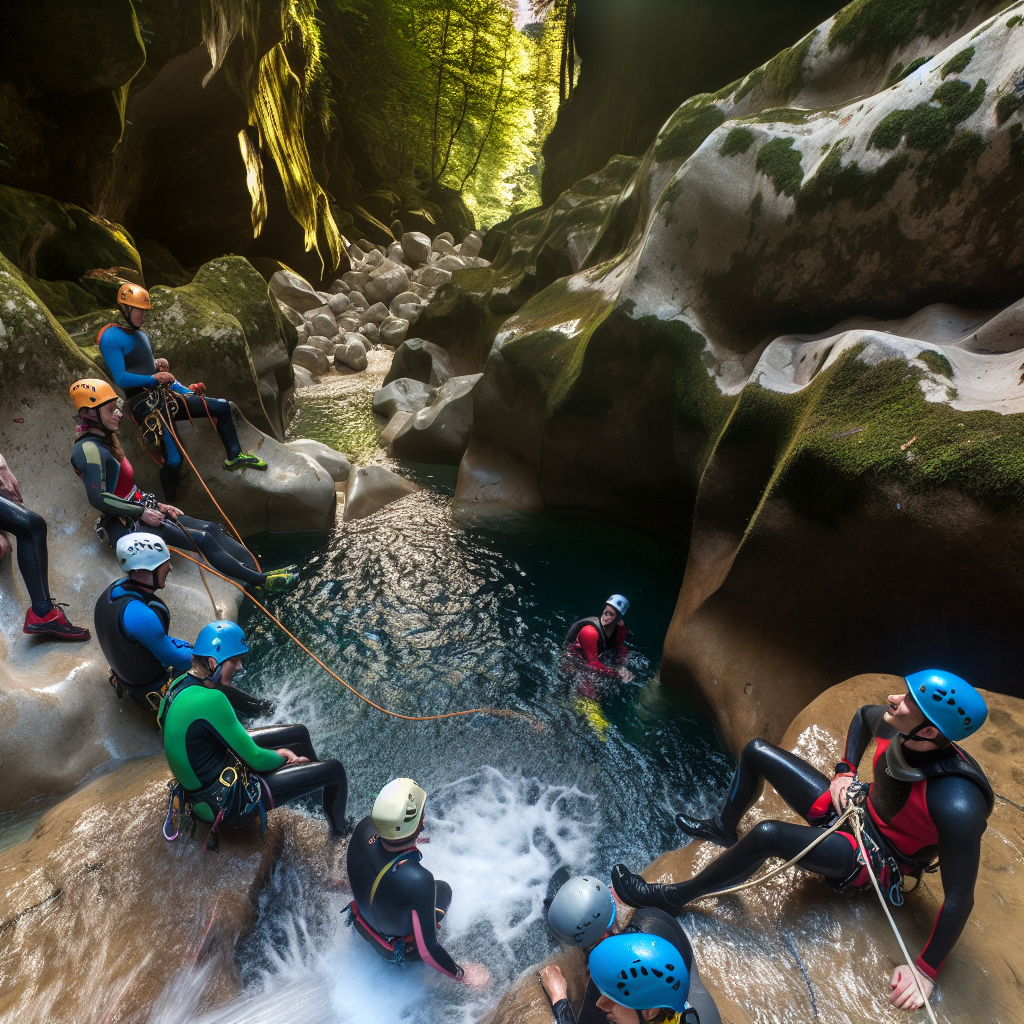
Canyoning seamlessly combines multiple outdoor disciplines into one unforgettable experience. Unlike a simple hike, it requires you to adapt to constantly changing terrain and conditions. Participants typically engage in a thrilling combination of activities:
Hiking & Trekking: Navigating through rugged, often uneven terrain within the canyon.
Rappelling & Abseiling: Descending vertical rock faces and waterfalls using ropes and specialized equipment.
Swimming: Crossing deep pools, navigating currents, and sometimes even short underwater sections.
Jumping & Sliding: Leaping into water pools from varying heights or sliding down natural rock formations polished smooth by water.
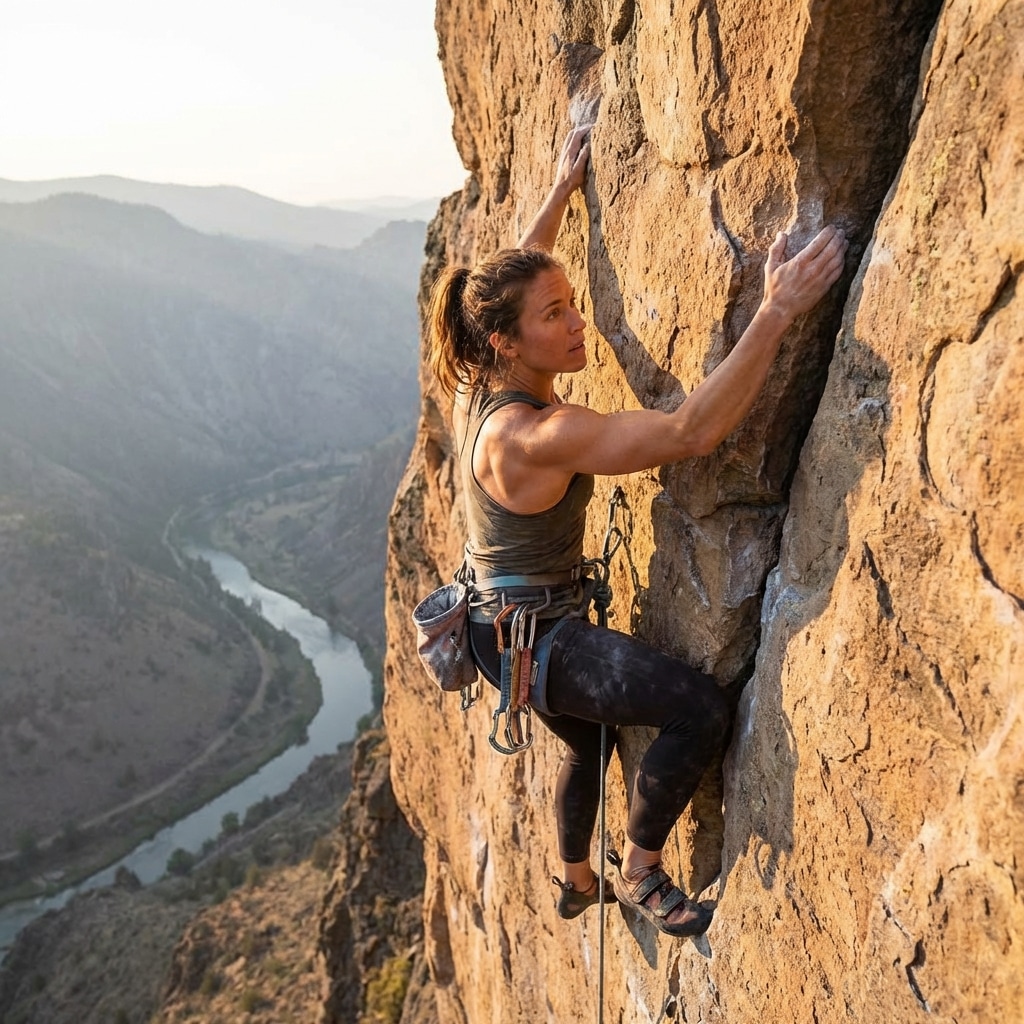
Climbing & Scrambling: Ascending short sections of rock or maneuvering around obstacles.
Each canyon offers a unique sequence of these challenges, making every trip a distinct adventure. The goal is to move downstream, embracing whatever obstacles nature presents.
Mastering the Canyon: Essential Skills and Techniques
To safely and effectively navigate a canyon, participants need a foundational understanding of several key skills. Canyoning is far more intricate than simply walking through a river; it’s a technical sport demanding respect for the environment and proficiency with specialized gear.
Vertical Descents: Rappelling and Climbing
Rappelling (or abseiling) is arguably the signature skill of canyoning. It involves controlled descents down steep cliffs or cascading waterfalls using a rope and a belay device. Proficiency in setting up anchors, managing ropes, and maintaining a steady descent is paramount for safety.
While full-blown rock climbing is less frequent, short sections of climbing or scrambling are often necessary to overcome obstacles. This might involve using natural handholds and footholds or employing basic rope techniques for assistance.
Navigating Water Challenges
Water is the lifeblood of a canyon, and it presents some of the sport’s most exhilarating challenges. Natural water slides, carved smooth by centuries of erosion, offer thrilling rides into deep, cool pools. Participants must be comfortable swimming in moving water, understanding currents, and navigating through narrow, submerged passages.
Strong swimming skills and an awareness of water safety are indispensable. Knowing how to assess water depth, identify potential hazards, and move efficiently through currents ensures a safe and enjoyable experience.
Who Can Enjoy Canyoning? Accessibility and Safety First
Canyoning is remarkably accessible, catering to a broad spectrum of adventurers. Whether you’re a complete novice seeking an adrenaline rush or a seasoned outdoor enthusiast, there’s a canyoning experience waiting for you. The key is choosing the right canyon for your skill level.
From Novice to Expert: Guided Tours and Training
For beginners, guided canyoning tours are the ideal introduction. Qualified and experienced guides provide all the necessary equipment, teach fundamental techniques, and ensure a safe passage through the canyon. They offer invaluable expertise in navigation, risk assessment, and group management, transforming a complex activity into an accessible adventure.
Those looking to progress their skills can enroll in specialized training courses. These programs delve deeper into rope techniques, anchor systems, rescue procedures, and advanced water safety, preparing individuals for more challenging, self-guided expeditions.
Essential Gear for a Safe Canyoning Expedition
Proper equipment is not just recommended; it’s absolutely critical for safety and comfort in canyoning. The right gear helps protect against cold water, abrasive rock, and impacts, while also enabling vertical descents.
Wetsuit: Provides thermal insulation against cold water, crucial even in warmer climates.
Helmet: Protects against head injuries from falling rocks or accidental bumps.
Harness: Essential for rappelling and attaching other gear.
Ropes: Specialized static ropes designed for canyoning and rappelling.
Specialized Footwear: High-grip shoes designed for wet, slippery, and uneven terrain.
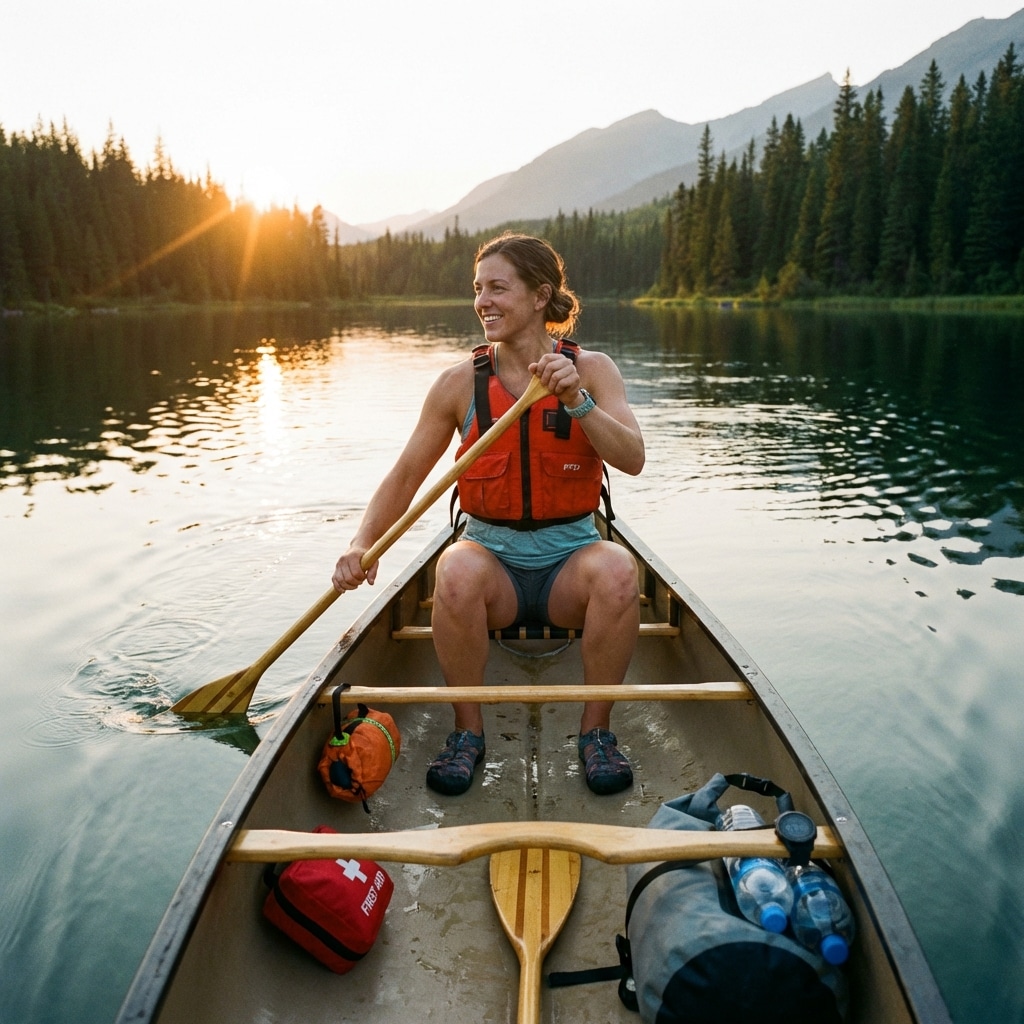
Dry Bag: Keeps essentials like first-aid kits, food, and communication devices dry.
Gear requirements can vary based on the canyon’s characteristics, such as water temperature, rope lengths, and the presence of jumps or slides. Always check with your guide or experienced canyoneers for specific recommendations.
The Global Allure: Explore the World’s Best Canyoning Destinations
Canyoning’s universal appeal is evident in its burgeoning popularity across continents. From arid desert landscapes to lush tropical rainforests, stunning canyons await exploration in nearly every corner of the globe. Each destination offers a unique geological and ecological experience.
Iconic locations like Switzerland’s stunning Interlaken region, with its powerful waterfalls and alpine beauty, offer world-class canyoning. New Zealand’s South Island boasts incredible glacial-fed canyons, while the Sierra de Guara in Spain is renowned for its diverse limestone canyons, perfect for both beginners and advanced canyoneers. Other notable hotspots include the vibrant canyons of Reunion Island, the challenging gorges of Costa Rica, and the dramatic landscapes of Utah in the United States.
Conclusion: Embrace the Call of the Canyon
Canyoning is far more than just an outdoor activity; it’s an immersive journey that challenges your limits, hones your skills, and connects you deeply with the raw power and beauty of nature. It’s an adventure that promises adrenaline, breathtaking scenery, and an unparalleled sense of accomplishment.
Whether you’re curious about a beginner’s guided tour or aspire to master the advanced techniques, understanding the canyoning definition is your first step. So, gear up, embrace the thrill, and prepare for an unforgettable plunge into the heart of the wilderness. The canyons are calling!