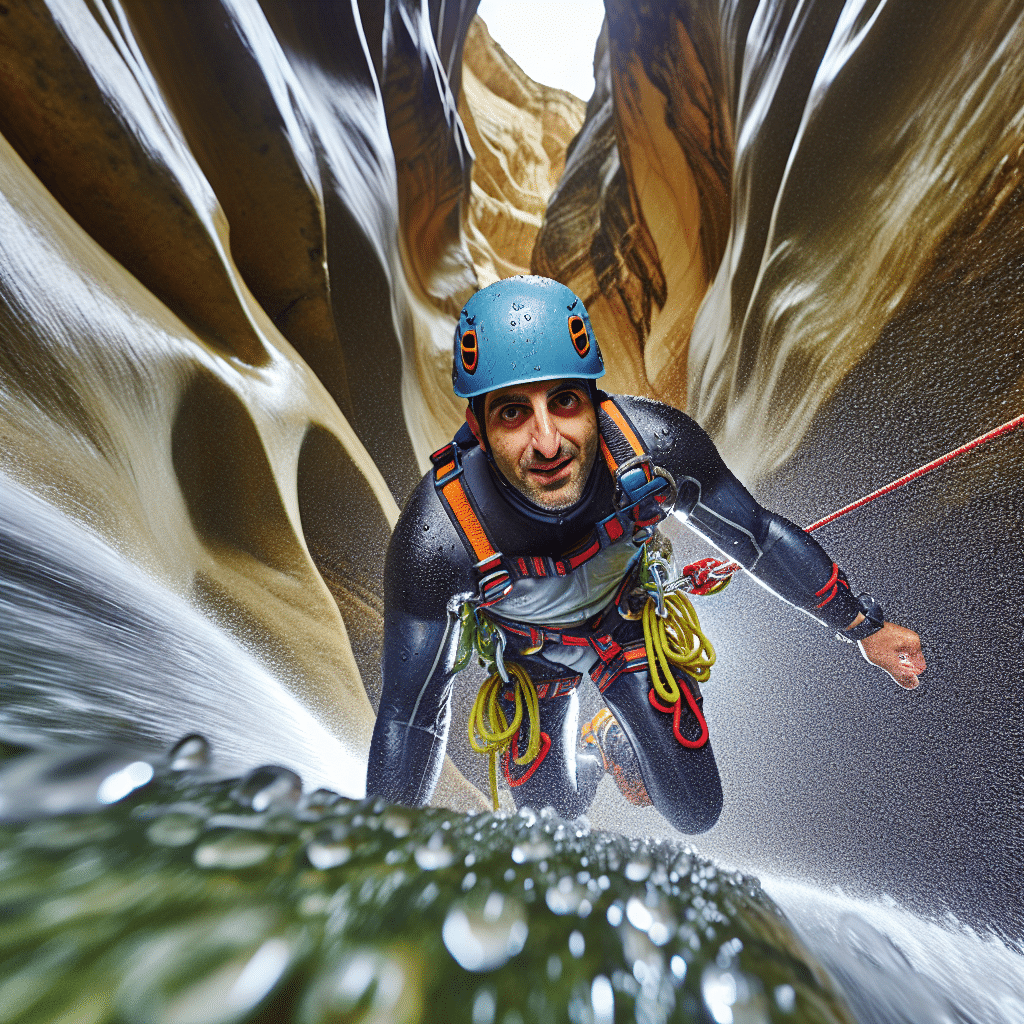
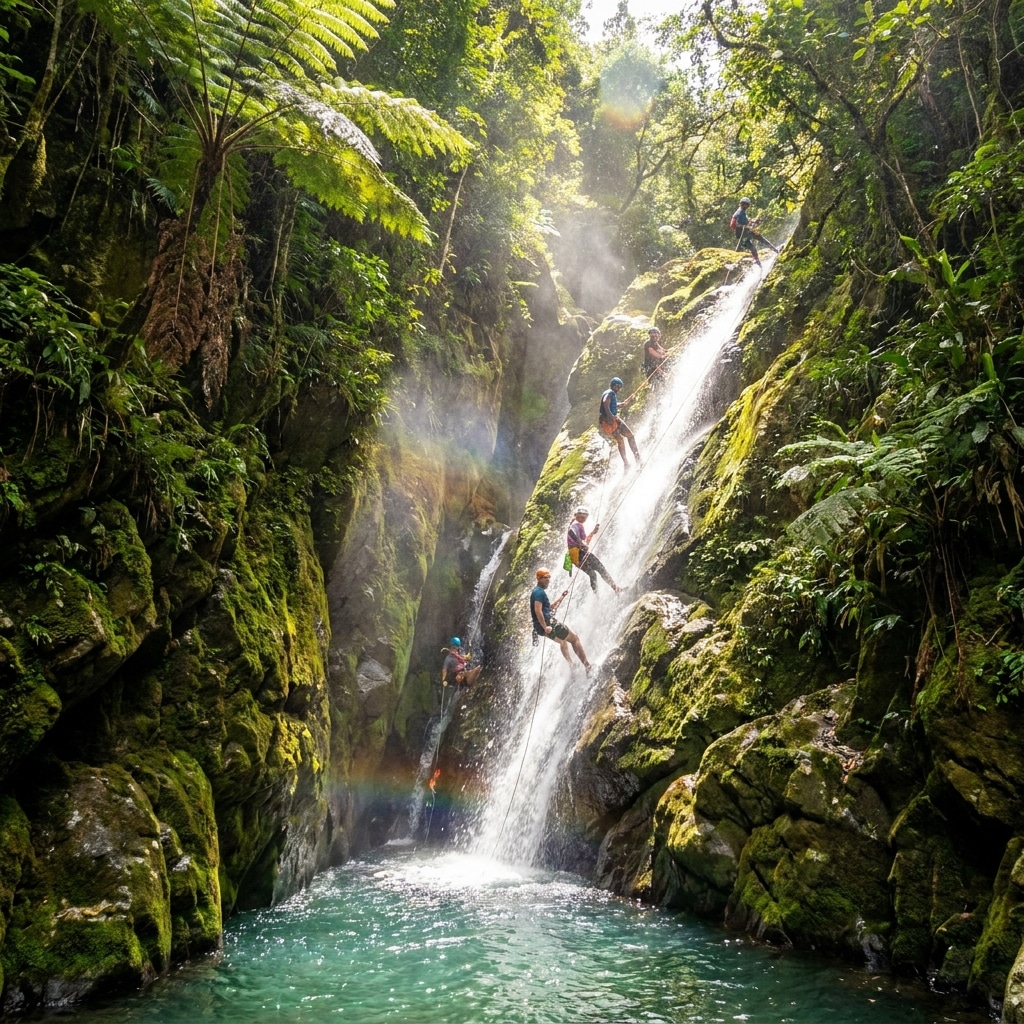
Canyoning: the electrifying adventure sport that combines hiking, climbing, swimming, and rappelling through breathtaking canyons. It’s an experience not for the faint of heart, demanding skill, courage, and, above all, the right gear. Among the most critical pieces of equipment for any canyoner is the specialized **canyoning harness**.
This isn’t just any harness; it’s an essential lifeline designed to navigate the unique and often treacherous terrain of a canyon. It ensures your safety and enhances your performance through cascades, pools, and rugged rock faces. This article will delve into what makes a canyoning harness indispensable, how to choose the perfect one, and why it stands apart from other types of harnesses.
Why a Dedicated Canyoning Harness is Non-Negotiable
When you’re descending steep cliffs, navigating through narrow gorges, and abseiling down waterfalls, standard climbing gear simply won’t suffice. A **canyoning harness** is engineered specifically for the extreme demands of this aquatic and abrasive environment. It’s built to withstand challenges that would quickly degrade a typical climbing harness.
Superior Durability & Abrasion Resistance
Canyoning harnesses face constant exposure to water, sand, mud, and sharp rock. They are constructed from highly robust, often reinforced materials like PVC-coated polyester or Cordura, designed to resist cuts, snags, and abrasion. Many models feature a replaceable seat protector to extend the lifespan of the harness against sliding impacts.
Enhanced Safety & Rescue Features
Safety is paramount in canyoning, making specialized features vital. These harnesses typically incorporate reinforced stitching and multiple attachment points that are strategically placed for easy access. Corrosion-resistant buckles and hardware are standard, preventing degradation from constant water exposure and ensuring reliable function.
Some harnesses include specific design elements for rescue scenarios, such as easily accessible gear loops for cowstails, descenders, and additional carabiners. Their robust build ensures they can withstand the dynamic forces encountered during rappels and water movements.
Optimized for Water & Movement
Unlike dry-environment harnesses, canyoning models are designed to manage water effectively. They often feature minimal, quick-drying padding and drain holes to prevent waterlogging and reduce weight. This ensures comfort and prevents chafing even after hours spent in wet conditions.
Choosing the Perfect Canyoning Harness: Key Considerations
Selecting the right **canyoning harness** is crucial for both safety and enjoyment. With various options available, understanding your needs and the harness’s features will guide your decision. Here are the critical factors to evaluate.
Fit and Comfort
Comfort is non-negotiable when you’re spending long hours traversing challenging terrain. Look for a harness with adjustable waist and leg loops to ensure a snug, personalized fit, accommodating different clothing layers. Ergonomic designs and strategically placed padding prevent pressure points, enhancing comfort during rappels and swims.
Weight and Bulk
A lighter harness contributes to a more enjoyable adventure, especially on long approaches or when carrying extensive gear. However, do not sacrifice durability for weight. Strike a balance, opting for robust materials that don’t add unnecessary bulk, allowing for better mobility in tight spaces.
Attachment Points & Gear Loops
The number and placement of gear loops are vital for carrying your essential tools. Look for a harness with multiple, reinforced gear loops that are easily accessible, even with gloves on. A sturdy belay loop is also crucial for connecting your descender and safety lines securely.
Corrosion Resistance
Given the constant exposure to water, sand, and minerals, the metal components of your harness must be corrosion-resistant. Prioritize harnesses featuring stainless steel buckles or treated aluminum hardware to prevent rust and maintain structural integrity over time. This is a critical safety feature often overlooked.
Canyoning Harness vs. Climbing Harness: What’s the Difference?
While visually similar, a **canyoning harness** and a climbing harness are engineered for fundamentally different environments and demands. Understanding these distinctions is crucial for your safety and performance. Using a climbing harness for canyoning can lead to rapid wear and compromised safety.
Material and Construction
**Canyoning harnesses** are built for extreme durability in wet, abrasive conditions, often featuring robust materials like PVC or Cordura and a replaceable seat protector. Climbing harnesses, conversely, prioritize lightweight design, flexibility, and breathability for dry, vertical rock ascents, typically without the same level of abrasion protection.
Protection & Design Focus
The defining feature of many canyoning harnesses is their integrated or replaceable rear protective panel. This guard shields the webbing from direct abrasion when sliding down rocks or negotiating tight passages. Climbing harnesses lack this feature, as climbers rarely slide on their rear.
Hardware and Water Management
Canyoning harnesses use corrosion-resistant metal buckles and fittings, designed to withstand prolonged exposure to water and sand. They also feature quick-drying materials and drain holes. Climbing harnesses typically use lighter aluminum hardware and breathable fabrics that aren’t optimized for wet environments.
Essential Maintenance Tips for Your Canyoning Harness
Proper maintenance extends the life of your **canyoning harness** and, more importantly, ensures your ongoing safety. Neglecting upkeep can compromise its integrity, making regular care a critical part of your canyoning routine.
Thorough Cleaning
After every outing, immediately rinse your harness with fresh, clean water to remove dirt, sand, salt, and mud. For deeper cleaning, use a mild, pH-neutral soap or specialized gear cleaner and a soft brush. Avoid harsh detergents, bleach, or chemicals, as they can degrade the webbing fibers.
Proper Drying
Completely air dry your harness in a cool, well-ventilated area, away from direct sunlight or heat sources. Ensure all components, especially padding and webbing, are thoroughly dry before storage to prevent mold, mildew, and material degradation. Never machine dry your harness.
Strategic Storage
Store your clean, dry harness in a cool, dark, and dry place, protected from UV light, extreme temperatures, and corrosive chemicals. Keep it away from sharp objects and potential pest damage. Proper storage prevents premature aging and maintains material integrity.
Regular Inspection & Retirement
Before and after every adventure, meticulously inspect your harness. Check all webbing for cuts, fraying, excessive abrasion, and discoloration. Examine stitching for pulled threads, and ensure buckles, belay loops, and gear loops are free from cracks, deformation, or excessive wear.
If you find any compromise in its integrity, retire the harness immediately. Always adhere to manufacturer guidelines regarding product lifespan, typically 10 years from manufacture and 5 years from the first use, even if it appears to be in good condition. When in doubt, replace it.
Conclusion: Your Unbreakable Link to Adventure
In the exhilarating, yet demanding, world of canyoning, your safety and performance are inextricably linked to your gear. A well-chosen and diligently maintained **canyoning harness** is more than just a piece of equipment; it’s your essential lifeline, providing confidence and security in challenging environments.
By understanding the unique requirements of canyoning and prioritizing factors like durability, fit, and specialized features, you can select the perfect harness for your adventures. Embrace the depths with peace of mind, knowing your harness is your reliable partner.
So, are you ready to explore the hidden wonders of the canyons? With the right canyoning harness, you can tackle every rappel, swim, and slide with unmatched confidence and excitement.