Canyoning, often called canyoneering, is an exhilarating dance with nature. It’s an adventure sport that combines hiking, rappelling, jumping into pools, and swimming through breathtaking canyons. The thrill of exploring hidden waterfalls and ancient rock formations is unmatched, but with such raw beauty comes inherent risks. Protecting yourself is paramount, and one piece of gear stands above all others for head safety: the canyoning helmet.
This isn’t just about avoiding a bump; it’s about safeguarding your most vital asset against rockfall, impacts from falls, and the unpredictable forces of moving water. A specialized canyoning helmet is your ultimate defense, transforming a potentially dangerous descent into a safer, more enjoyable journey.
What Makes a Canyoning Helmet Unique?
Unlike a standard bike or ski helmet, a canyoning helmet is purpose-built for the extreme and wet environment of canyons. It’s engineered to provide robust protection against the specific hazards encountered when navigating waterfalls, slippery rocks, and confined spaces. These helmets go beyond basic impact absorption, incorporating features vital for multi-sport, water-based activities.
Beyond Basic Protection: Key Design Features
Robust Materials: Constructed from tough ABS plastic or reinforced polycarbonate, canyoning helmets withstand sharp impacts from falling rocks, scraping against canyon walls, and accidental drops.
Waterproof & Drainage Systems: Designed to shed water quickly, preventing them from becoming waterlogged and heavy. Integrated drainage holes ensure water doesn’t accumulate inside, maintaining comfort and clear hearing.
Secure & Adjustable Fit: Featuring adjustable straps and a comfortable chin strap, they ensure a snug fit that won’t shift during dynamic movements, even when wet. This is crucial for maintaining protection during jumps, swims, or rappels.
Ventilation: While offering comprehensive coverage, good canyoning helmets also include strategic ventilation to prevent overheating, especially during strenuous hikes between rappels.
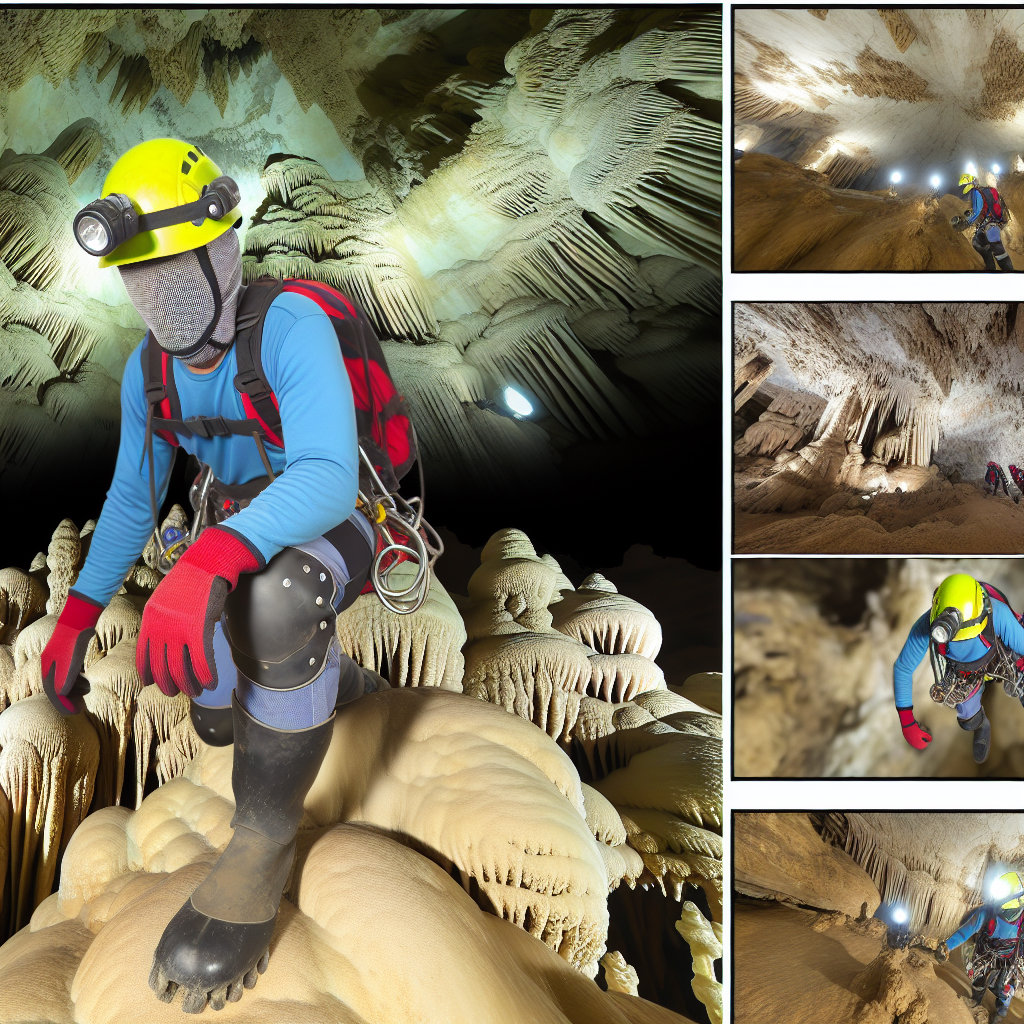
Headlamp Compatibility: Many models come with integrated clips or attachment points for securing a headlamp, essential for early starts, late finishes, or exploring dark sections of a canyon.
Why a Canyoning Helmet Isn’t Optional – It’s Essential
Canyoning is an inherently risky activity where nature dictates the terms. From slippery surfaces to powerful water currents, the potential for head injury is ever-present. A quality canyoning helmet is more than just a recommendation; it’s a non-negotiable piece of safety equipment that can mean the difference between a minor mishap and a severe, life-altering injury.
Common Canyoning Hazards a Helmet Mitigates
Rockfall: Loose rocks dislodged by you or others are a constant threat. A helmet provides crucial protection against falling debris.
Impacts from Falls: Slipping on wet rocks or misjudging a jump can lead to head impacts on hard surfaces. Your helmet absorbs and disperses these forces.
Collision with Canyon Walls: Rappelling, swimming through narrow passages, or navigating rapids can cause your head to strike the canyon’s unforgiving rock walls.
Water Hazards: Powerful currents can push you against obstacles or hold you underwater, increasing the risk of head impacts.
Abrasions: Even minor scrapes against abrasive rock can cause nasty cuts and concussions without proper headgear.
Choosing Your Lifeline: What to Look For in a Canyoning Helmet
Selecting the right canyoning helmet is a critical decision for your safety and comfort. Don’t rush this process. Focus on features that offer maximum protection, durability, and a secure fit tailored to the demands of canyoning. Here’s what to prioritize when making your choice:
Critical Features for Maximum Safety & Comfort
Safety Certifications: Always check for official safety certifications like CE EN 12492 (European standard for mountaineering helmets). This ensures the helmet has undergone rigorous testing for impact protection and chin strap integrity.
Fit and Adjustability: A helmet must fit snugly and comfortably without being too tight. Look for models with easy-to-use adjustment systems (e.g., dial adjusters, adjustable headbands) that can be operated even with wet hands or gloves. A secure chin strap is also vital to prevent the helmet from coming off during dynamic activity.
Durability and Materials: Helmets made from materials like high-density ABS plastic or polycarbonate shells combined with an EPS (expanded polystyrene) or EPP (expanded polypropylene) foam liner offer excellent impact resistance and longevity. The outer shell should be robust enough to withstand repeated abrasions.
Ventilation and Drainage: Essential for comfort in varying conditions. Good ventilation helps prevent overheating during approaches, while effective drainage ensures water quickly exits the helmet, reducing weight and improving your experience.
Compatibility: Consider if the helmet is compatible with other essential gear, such as headlamps or goggles, ensuring a seamless and efficient setup for your adventures.
Don’t Compromise on Safety: Gear Up for Your Next Canyoning Expedition
Canyoning offers an unparalleled opportunity to connect with nature’s wild side, pushing your limits and creating unforgettable memories. However, these incredible experiences demand respect for the environment and unwavering commitment to safety. Your head is your most valuable asset, and protecting it with a high-quality, specialized canyoning helmet is non-negotiable.
Invest in a helmet that meets stringent safety standards, offers a secure and comfortable fit, and is built to withstand the rigors of the canyon environment. Don’t let a preventable injury cut your adventure short. Gear up responsibly, choose your lifeline wisely, and enjoy the thrilling world of canyoning with confidence and peace of mind.