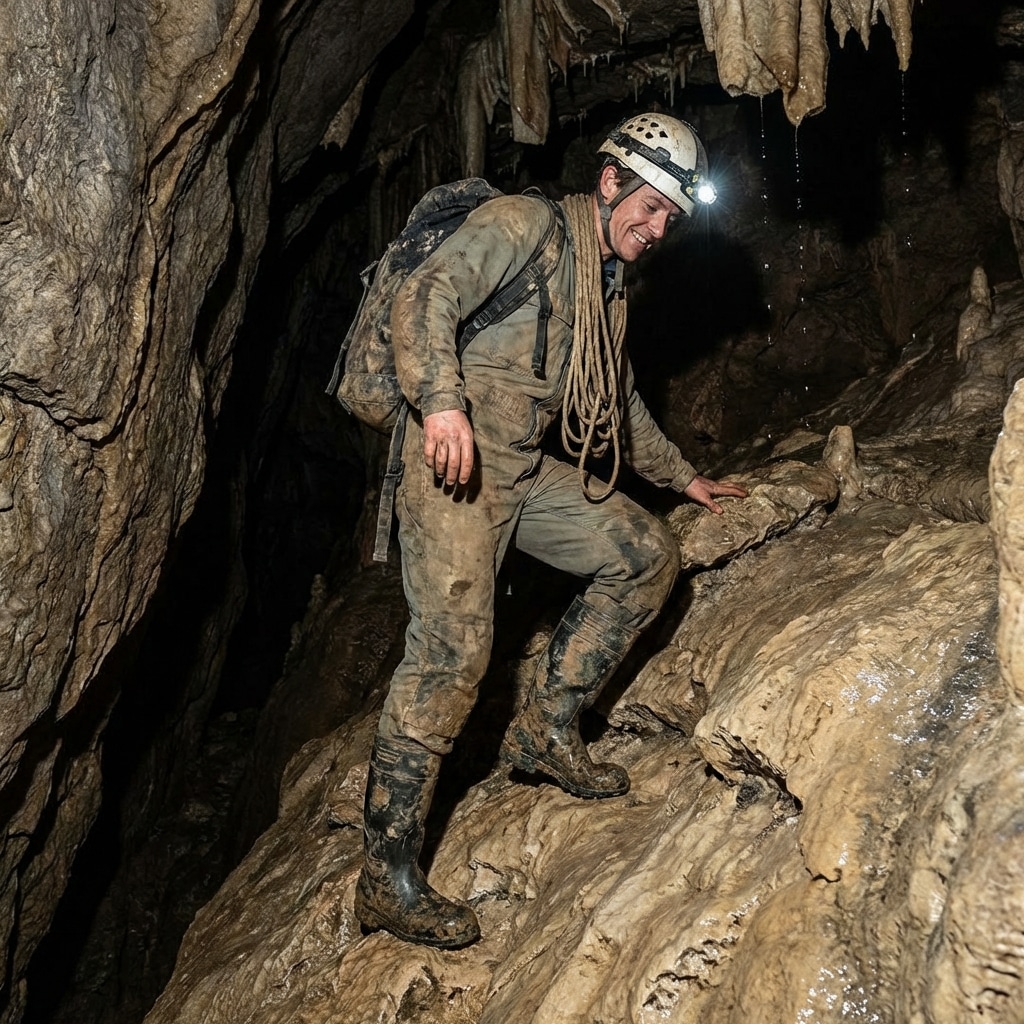
Caving offers an unparalleled adventure, a journey into the Earth’s hidden wonders. Yet, for some, the thrill can quickly turn into profound anxiety, thanks to a specific psychological response: caving claustrophobia. This intense fear of confined spaces, particularly in the unique environment of a cave, can transform an exciting exploration into a daunting ordeal.
If the thought of squeezing through a narrow passage, or finding yourself deep within a dark, enclosed chamber, sends a shiver down your spine, you’re not alone. Caving claustrophobia is a real and often debilitating condition that affects many outdoor enthusiasts. Understanding it is the first step toward managing it and reclaiming the joy of subterranean exploration.

What is Caving Claustrophobia?
Caving claustrophobia is a specific manifestation of claustrophobia, an irrational fear of enclosed or tight spaces. In the context of caving, it typically surfaces when a caver encounters a “squeeze” – a section so narrow that only a person’s head and feet might protrude from either side, or when navigating a lengthy, dark, and constricted tunnel. This sensation of being physically trapped or unable to move freely is a powerful trigger.
When this fear sets in, it can manifest as a full-blown panic attack. Symptoms include a racing heart, shortness of breath, profuse sweating, dizziness, trembling, and an overwhelming feeling of dread or being “stuck.” The psychological impact can be significant, impairing judgment, decision-making, and even basic cognitive functions, making a challenging environment even more dangerous.
Recognizing the Triggers and Symptoms
While the obvious trigger for caving claustrophobia is a tight space, other factors can exacerbate the condition. Darkness, silence, isolation from the group, and the perceived impossibility of quick escape all contribute to heightened anxiety. The mind can play tricks, exaggerating the confined nature of the space and leading to a sense of being suffocated or buried alive.
Common symptoms extend beyond panic attacks to include intense feelings of helplessness, an urge to flee (despite being unable to), a sense of derealization, and even a fear of losing control. Recognizing these signs early, both in yourself and others, is crucial for safe caving. It’s not just a “bad dream”; it’s a powerful physiological and psychological response that demands attention.
Effective Strategies to Overcome Claustrophobia While Caving
Managing caving claustrophobia doesn’t mean you have to give up caving. With the right preparation and techniques, many cavers learn to navigate their fears and enjoy the unique beauty of the underground world. Here are several actionable strategies:
1. Mental and Physical Preparation
- Breathing Exercises: Before and during your trip, practice deep, diaphragmatic breathing. Inhale slowly through your nose for a count of four, hold for seven, and exhale completely through your mouth for eight. This technique calms the nervous system and reasserts control.
- Mindfulness and Meditation: Regular meditation helps you stay present and focus your mind away from anxious thoughts. Practice focusing on your body, the sounds around you, or a specific visual point (like your headlamp beam).
- Visualization: Before entering a tight spot, visualize yourself successfully passing through it, feeling calm and in control. Imagine the feeling of exiting the squeeze and the relief that follows.
- Gradual Exposure: If possible, start with shorter, less intimidating cave trips or sections. Gradually challenge yourself with slightly tighter spaces as your confidence grows.
2. During the Caving Trip
- Communicate with Your Team: Don’t hide your anxieties. Inform your caving leader and trusted companions about your claustrophobia before the trip. They can offer support, adjust pacing, or help you find alternative routes if available.
- Focus on the Experience: Remind yourself why you’re caving. Focus on the incredible formations, the unique ecosystem, or the camaraderie of your team. Shift your attention from your internal state to your external environment.
- Positive Self-Talk: Challenge anxious thoughts with rational ones. Remind yourself that the tight spot is temporary, that you are safe, and that your team is there to support you. “This will pass,” “I can do this,” are powerful affirmations.
- Take Breaks: If a squeeze feels overwhelming, ask your team for a moment. Take a few deep breaths, re-center yourself, and then proceed when you feel ready.
3. Seeking Professional Support
For severe cases, professional help can be invaluable. Cognitive Behavioral Therapy (CBT) and Exposure Therapy, often guided by a psychologist, are highly effective in treating phobias. These therapies can equip you with coping mechanisms and gradually desensitize you to triggers in a controlled environment, helping you build resilience for real-world caving.
How to Help Someone Experiencing Claustrophobia While Caving
Being a supportive caving partner means understanding how to respond when someone in your group experiences a claustrophobic episode. Your calm demeanor and effective actions can make all the difference:
- Stay Calm Yourself: Your panic will only escalate theirs. Speak in a calm, reassuring, and steady voice.
- Talk Them Through It: Guide them through breathing exercises. “Breathe with me. In for four, out for eight.” Remind them of their strength and the temporary nature of the situation.
- Do NOT Touch or Push: Physical contact can feel like further confinement and increase panic. Maintain a respectful distance unless they explicitly request physical comfort or guidance.
- Encourage a Focal Point: Ask them to focus on a point of light from their headlamp, a texture on the rock, or even the sound of their own breathing. This helps ground them in the present.
- Assess the Situation: If they cannot calm down, prioritize their health and safety above completing the trip. Work with the team to safely extract them from the cave. Getting fresh air and space often helps immensely.
- Validate Their Feelings: Acknowledge their fear without judgment. “It’s okay to feel scared right now. We’re here with you.”
Embrace the Adventure Safely
Caving claustrophobia is a formidable challenge, but it doesn’t have to define your caving experience. By understanding its mechanisms, preparing effectively, and having a supportive team, you can navigate the tight spots and embrace the profound beauty of the subterranean world. Remember, safety and well-being always come first. With the right approach, you can transform fear into triumph and continue to explore the incredible mysteries beneath our feet.