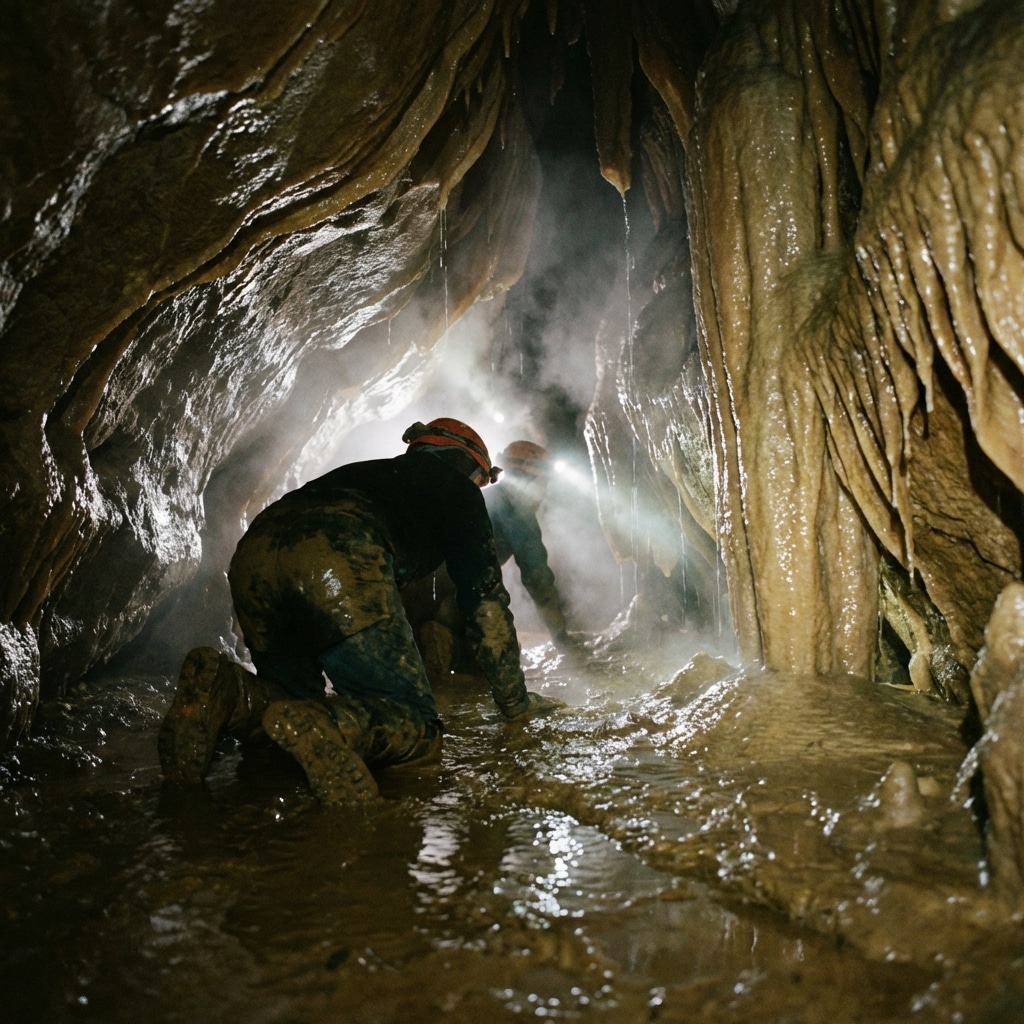
Washington state, with its dramatic volcanic landscapes, ancient forests, and rugged mountains, offers an unparalleled underground adventure for caving enthusiasts. From accessible ice caves to challenging lava tubes, the Evergreen State invites you to explore a world hidden beneath the surface.

Whether you’re a seasoned caver seeking an extreme challenge or a curious beginner eager to discover the mysteries of subterranean environments, Washington has a cave tailored for your experience level. Get ready to grab your headlamp and delve into some of the most captivating geological formations in the Pacific Northwest!
Discover Washington’s Diverse Caving Regions
Washington’s geology provides a rich tapestry for caving, with distinct regions offering unique experiences. From the glacial features of the Cascades to the volcanic tubes near Mount St. Helens, there’s a subterranean world waiting to be explored.
For those new to the sport or looking for guided exploration, the Washington Caving Club is an invaluable resource. They provide information, organize trips, and even offer guided tours to introduce newcomers to the wonders of caving safely and responsibly.
Caving in Mount Rainier National Park
Mount Rainier National Park is a fantastic starting point for many caving adventures. The park boasts several fascinating caves, including the iconic Crystal Cave and the ephemeral Paradise Ice Caves.
Here, visitors can witness extraordinary underground waterfalls and unique glacial formations. These caves offer a relatively accessible entry into the caving world, making them popular choices for families and beginners.
Exploring the Volcanic Depths of Mount St. Helens
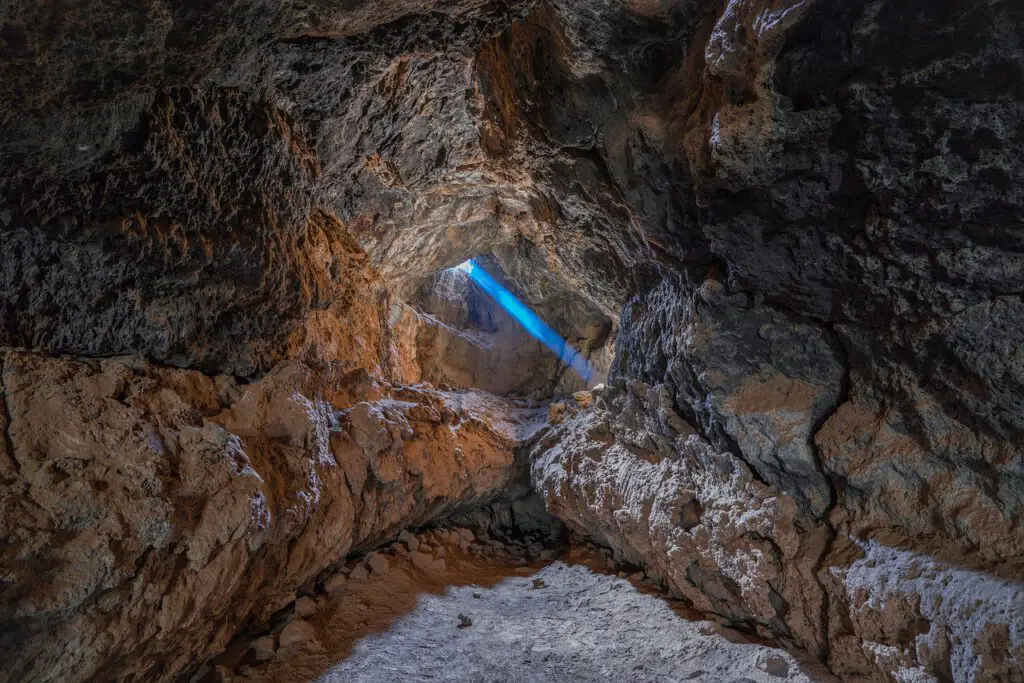
For cavers seeking a more rigorous challenge, the caves around Mount St. Helens are a must-visit. This area is renowned for its extensive network of lava tubes, formed during ancient volcanic eruptions.
Contrary to a common misconception, Washington State does have incredible lava caves, and Mount St. Helens is home to some of the most prominent. These caves present a unique and rewarding experience for those prepared for difficult navigation and varied terrain.
The Famous Ape Caves
Among the most famous lava tubes in the Mount St. Helens area are the Ape Caves. These remarkable geological formations offer an unparalleled glimpse into Washington’s volcanic past. They are currently open for exploration, but it’s crucial to check local conditions and weather reports before your visit, as wet conditions can significantly increase difficulty and risk.
Ape Cave is considered a challenging excursion due to its length and varied terrain. The lower section is generally easier, while the upper section demands more agility, climbing over rock falls, and navigating tight passages. Prepare for a serious hike and an unforgettable adventure!
Hidden Gems: Caving Near Seattle
While not as well-known as the mountain regions, a few caves exist in the broader Seattle area. These can be less publicized and often require local knowledge or guided tours. The Washington Caving Club is your best resource for discovering these closer-to-city options.
Your Washington Caving Questions Answered
How Many Caves Are in Washington State?
Washington is home to hundreds of known caves, and the number is constantly growing as new passages and systems are discovered. Many remain relatively unexplored, adding to the allure of caving in this state. The Washington Caving Club maintains extensive records and is an excellent place to start your research.
Which Mountain in Washington Has the Most Caves?
Mount St. Helens and Mount Rainier National Park both boast a significant number of caves. Mount St. Helens is particularly famous for its vast network of lava tubes, while Rainier offers a diverse array of glacial and solution caves. Both regions provide ample opportunities for exploration.
What is the Most Difficult Cave to Navigate in Washington?
Many of the cave systems within the Mount St. Helens region are considered among the most challenging in Washington. The Ape Cave, with its lengthy and complex passages, is a prime example. These caves demand experience, proper gear, and a high level of physical fitness.
What’s the Best Cave to Explore in Washington for Different Skill Levels?
- Beginners: Caves in Mount Rainier National Park, such as the easier sections of Crystal Cave, offer a great introduction with stunning formations and relatively simple navigation.
- Intermediate Cavers: Consider the longer, less technical routes within some lava tube systems, perhaps with guided tours.
- Experienced Cavers: The upper sections of Ape Cave or other challenging systems around Mount St. Helens provide the rigorous, rewarding experience you’re seeking.
What Should I Bring on a Caving Trip in Washington?
Safety and preparedness are paramount for any caving adventure. Here’s an essential packing list:
- Lighting: At least three independent light sources (e.g., primary headlamp, backup headlamp, handheld flashlight) with extra batteries.
- Helmet: Essential for head protection against falls and bumps.
- Appropriate Clothing: Layered clothing (non-cotton) that can get dirty and wet. Wear sturdy boots with good ankle support and grip.
- Food and Water: Sufficient supplies for the duration of your trip, plus extra for emergencies.
- First-Aid Kit: Comprehensive kit for minor injuries and emergencies.
- Emergency Supplies: Whistle, space blanket, navigation tools (map, compass), multi-tool.
- Gloves: Protect your hands from abrasive rocks and cold.
- Trash Bag: Pack out everything you pack in (Leave No Trace principles).
- Buddy System: Never cave alone. Always go with experienced partners.
Always inform someone of your caving plans, including your route and estimated return time.
Embark on Your Washington Caving Journey
From the glacial marvels of Mount Rainier to the ancient lava flows of Mount St. Helens, caving in Washington offers an incredible opportunity to connect with nature’s hidden wonders. Each cave holds a unique story, etched in rock and ice, waiting for you to discover.
Remember to prioritize safety, respect the fragile underground ecosystems, and always practice responsible exploration. The Washington Caving Club remains an excellent starting point for education, resources, and connecting with the vibrant caving community in this amazing state. Happy spelunking!