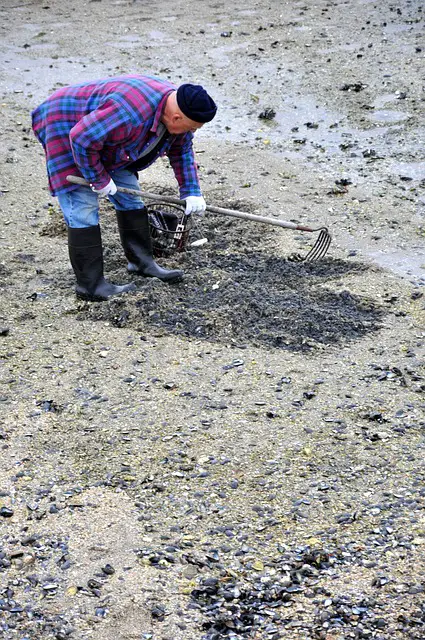
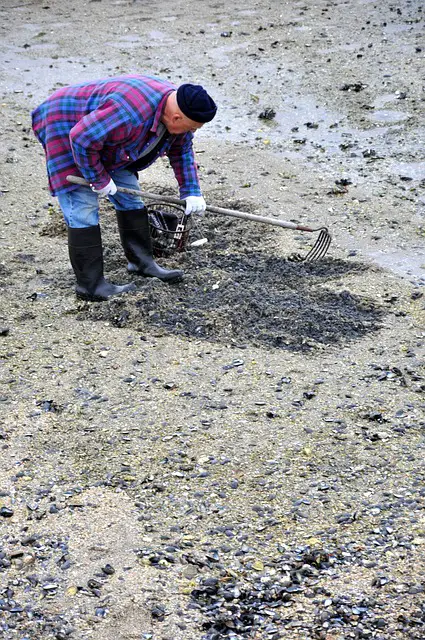
Dreaming of a day spent on the beach, the salty air filling your lungs, and the thrill of digging up fresh, delicious clams? Clam digging offers a unique blend of outdoor adventure, connection to nature, and the satisfaction of harvesting your own food. But before you grab your shovel and head to the shore, there’s one crucial step you can’t overlook: securing a clam digging license.
Understanding the requirements, regulations, and best practices for clam digging isn’t just about legality; it’s about preserving this cherished activity for generations to come. This comprehensive guide will walk you through everything you need to know to become a responsible and successful clam digger.
Unearthing the Appeal: Why Clam Digging Captivates Enthusiasts
Clam digging, an ancient practice dating back to prehistoric times, is much more than a simple recreational activity. It’s a form of sustainable foraging that connects you directly to marine ecosystems, offering a tangible reward for your efforts. From the meditative rhythm of sifting through sand to the excitement of finding a prize-worthy clam, the experience is deeply satisfying.
This time-honored tradition draws people worldwide, providing both a sustainable source of food and a fantastic excuse to enjoy coastal environments. However, to partake in this rewarding pursuit, understanding and adhering to local regulations, starting with a proper license, is paramount.
The Essential Permit: Why You Need a Clam Digging License
A clam digging license isn’t merely a bureaucratic hurdle; it’s a vital tool for ensuring the health and sustainability of clam populations and marine environments. In most states and countries, it’s a strict legal requirement for anyone wishing to harvest clams. This permit allows both recreational and commercial diggers to collect clams within defined limits.
Here’s why this license is so critical:
Legal Compliance: Digging without a license can lead to hefty fines, confiscation of gear, or even more severe penalties, depending on the jurisdiction.
Conservation and Sustainability: Licenses help wildlife agencies monitor and manage clam populations, preventing over-harvesting and ensuring clam beds remain productive for future generations.
Funding Marine Preservation: The fees collected from licenses often directly contribute to critical marine conservation efforts, habitat restoration, and research initiatives.
Regulation Enforcement: Your license helps authorities track who is digging and ensures compliance with size, species, season, and catch limits.
Is a License Required Everywhere for Clam Digging?
While a clam digging license is broadly required, regulations can differ significantly from one location to another. Some coastal regions might have different rules for residents versus non-residents, or even specific exemptions for certain age groups or designated public areas. It is always your responsibility to verify the exact requirements for your chosen digging spot.
Before embarking on your clam digging adventure, make it a priority to check with local fishing and wildlife agencies or relevant government departments. A quick online search for “[State/Country] clam digging license” or “[Specific Beach/Area] clam harvesting regulations” will typically provide the most up-to-date and accurate information.
Your Step-by-Step Guide to Getting a Clam Digging License
Obtaining a clam digging license is usually a straightforward process, designed to be accessible to the public. While specific steps can vary by location, here’s a general overview of what you can expect:
Where to Apply
Most government agencies now offer convenient online application portals, making it easy to purchase your license from home. However, some locations might still offer mail-in applications or require in-person visits to local wildlife offices, sporting goods stores, or government service centers. Check your local agency’s website for preferred application methods.
What Identification and Information You’ll Need
To complete your application, you’ll typically need to provide some form of government-issued identification. This could include your driver’s license, passport, or a state identification card. You will also be asked for basic personal information such as your full name, address, and date of birth. Some applications may even require you to specify the type of clams you intend to harvest, especially for commercial permits.
Understanding Fees and License Types
There is almost always a fee associated with a clam digging license, which can vary widely. Factors influencing the cost often include your residency status (resident vs. non-resident), age (seniors or minors might receive discounts or free licenses), and the type of license (recreational vs. commercial). Many states also offer reduced fees or free licenses for military veterans and disabled individuals, so be sure to inquire if you qualify.
License Validity and Seamless Renewal
Clam digging licenses come with a defined validity period. Some are annual, expiring on a specific date each year, while others might be valid for a particular season or a shorter duration. It’s crucial to check the expiration date on your license and plan for timely renewal to avoid any interruption in your clamming activities. Many online systems now offer email reminders for upcoming renewals.
Beyond the Permit: Crucial Clam Digging Regulations and Best Practices
Securing your license is just the first step. Responsible clam digging involves a deep respect for the marine environment and strict adherence to specific regulations. These rules are designed to protect clam populations and their habitats. Failure to comply can result in significant fines, license suspension, or even a permanent ban from digging.
Key regulations to be aware of include:
Species-Specific Limits: Learn to identify the different clam species and understand the specific regulations for each.
Size Restrictions: Many clams have minimum size requirements to ensure they’ve had a chance to reproduce. Always carry a measuring device.
Bag Limits (Catch Limits): There are strict daily limits on the number of clams you can harvest.
Open and Closed Seasons/Areas: Clam beds may be closed during certain times of the year (e.g., spawning season) or in specific areas due to conservation efforts or biotoxin contamination. Always check for current closures before you dig.
Gear Restrictions: Some areas may restrict the type of tools you can use for digging.
Environmental Stewardship: Always refill holes you dig, minimize disturbance to the clam beds, and leave the area cleaner than you found it.
To deepen your understanding and ensure you’re digging responsibly, consider participating in a local clam digging workshop or course. Many fishing agencies and environmental conservation groups offer these educational programs, promoting sustainable practices and enhancing your overall experience.
Ready to Dig In? Your Next Steps
Clam digging is a beloved pastime that offers a unique connection to nature and a sustainable source of food. However, it’s far from a simple grab-and-go activity. It demands a responsible approach, starting with obtaining the correct clam digging license and extending to a deep respect for marine ecosystems and strict adherence to local regulations.
By understanding and following these guidelines, you’re not only ensuring a legal and rewarding experience for yourself but also contributing to the vital efforts of marine conservation. So, do your homework, get your license, and prepare to embark on an enriching adventure that truly connects you with the coastal environment.