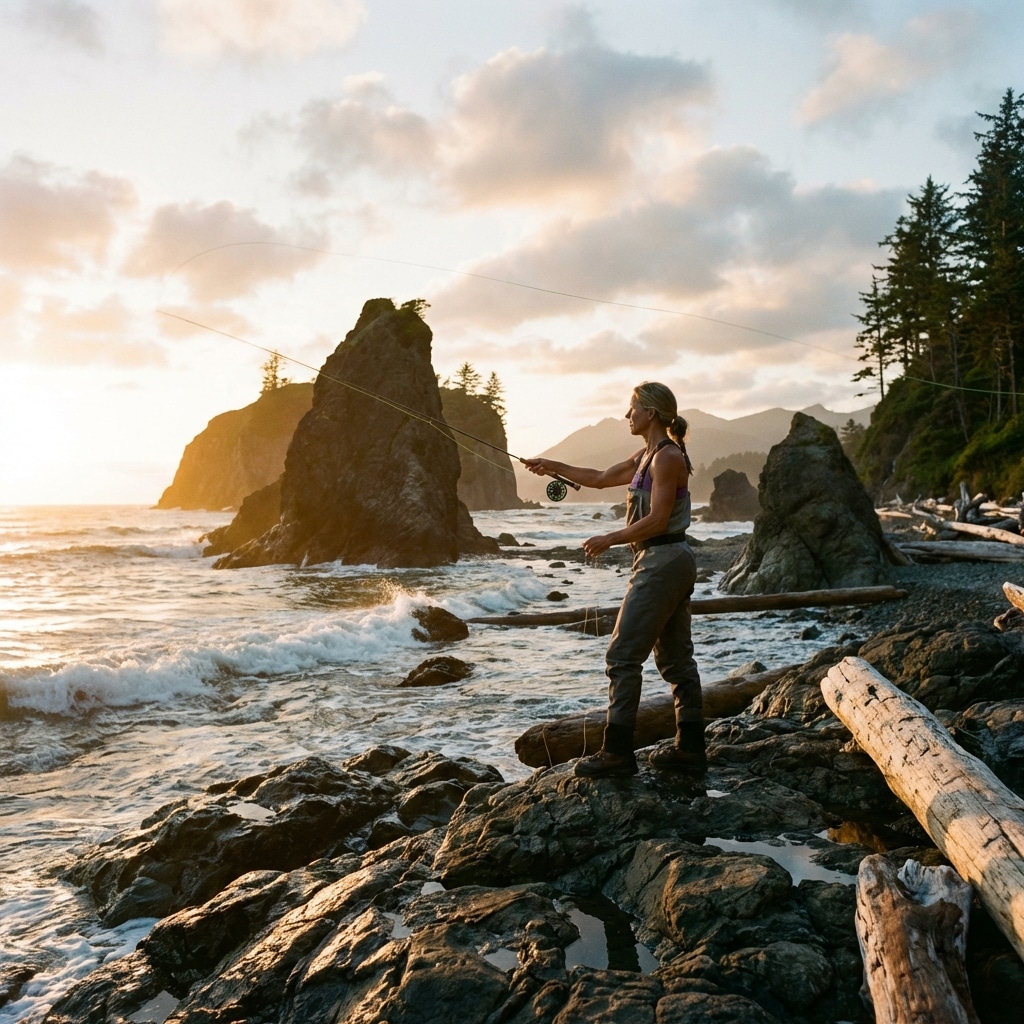
The Oregon Coast isn’t just famed for its dramatic cliffs, pristine beaches, and ancient forests; it’s also a vibrant playground for a unique outdoor adventure: clam digging. Imagine the crisp ocean air, the rhythmic crash of waves, and the thrill of unearthing delicious treasures hidden just beneath the sand. This isn’t just a pastime; it’s a quintessential Oregon experience that captivates locals and visitors of all ages.
Whether you’re a seasoned outdoors enthusiast or looking for a memorable family activity, clamming on the Oregon Coast offers a blend of natural beauty, discovery, and the promise of a fresh, delicious meal. Get ready to learn why this 363-mile stretch of coastline is a haven for clam diggers and how you can join the fun!
Why Clam Digging on the Oregon Coast is an Unforgettable Adventure
Clam digging, often called clamming, is the pursuit of finding and gathering clams from sandy or muddy bay bottoms. It’s a beloved activity across Oregon’s diverse coastline, drawing thousands annually. This region provides an exceptionally rich habitat, making Oregon Coast clam digging both fascinating and highly rewarding.
What makes clamming in Oregon so popular? It’s more than just a harvest; it’s an immersive outdoor activity. It offers a sense of discovery, a connection to marine ecosystems, and the pure joy of spending time outdoors with family and friends, all culminating in the satisfaction of bringing home your own fresh seafood.
Your Guide to Oregon Coast Clam Species
The Oregon Coast is home to several clam species, each offering a unique digging experience and culinary delight. Knowing what to look for and where to find them is key to a successful clamming adventure.
The Prized Pacific Razor Clam
One of the most sought-after species is the Pacific Razor clam, renowned for its sweet, tender meat and large size. These clams are predominantly found along the sandy stretches of the northern Oregon Coast.
Clatsop Beach, a vast 18-mile expanse from Warrenton to Gearhart, is particularly famous for its abundant Razor clam populations. The unique sandy and wet environment here provides the ideal conditions for their survival and growth.
Discovering Gaper and Butter Clams in Oregon’s Bays
Beyond the surf, Oregon’s calm bay areas also teem with clams. Gaper clams, also known as Horse clams, are substantial clams that typically dwell in the muddy substrates of estuaries and bays. Prime locations for Gaper clams include Tillamook Bay, Netarts Bay, and Coos Bay.
Smaller but equally delightful, Butter clams are another species you’ll find in these same bay areas. Valued for their subtle, rich flavor, Butter clams are often found alongside Gapers, making these bay excursions doubly fruitful.
Essential Steps for a Successful Clam Digging Trip
Ready to grab your shovel? Here’s a breakdown of how to prepare for your clamming adventure on the Oregon Coast.
Get Licensed: Your First Step to Clamming
Before you hit the beach, it’s crucial to obtain a valid Oregon shellfish license. This can be easily acquired online through the Oregon Department of Fish and Wildlife (ODFW) website or from a licensed agent throughout the state. Always check current regulations and harvest limits, as these can change seasonally.
Tools of the Trade: What You’ll Need
A few basic tools will significantly enhance your clamming success:
Clam Shovel: A long-handled, narrow shovel is ideal for digging.
Clam Gun: A tube-like device, often made of PVC or metal, used to extract Razor clams by creating a vacuum.
Bucket or Mesh Bag: To hold your catch.
Waders or Waterproof Boots: To stay dry in the wet sand or shallow water.
Tide Chart: Absolutely essential for timing your trip.
Finding Your Clam “Show” and Digging Techniques
The key to finding clams lies in spotting a “clam show”—a tell-tale sign that a clam is buried beneath the sand. For Razor clams, this often looks like a dimple, a small hole, or a raised “doughnut” shape on the sand’s surface. Gaper clams reveal themselves with larger, more distinct holes from their long siphons.
Once you spot a show, carefully dig or use your clam gun around it, being mindful not to harm the clam. Razor clams can dig surprisingly fast, so quick but controlled movements are often required!
Timing is Everything: Best Conditions for Clamming
The most critical factor for successful clam digging on the Oregon Coast is timing your trip with the lowest tides. Low tide exposes vast stretches of beach and bay bottom, making clams much more accessible.
Consulting a local tide chart is non-negotiable. Aim for minus tides, which offer the greatest exposure. Weather conditions also play a role; calm days are generally more enjoyable and provide clearer visibility for spotting clam shows.
Beyond the Dig: The Full Oregon Coast Clamming Experience
Clamming on the Oregon Coast is truly more than just a hunt; it’s an immersive adventure. It starts with the serene beauty of the coastline, builds with the excitement of the chase, culminates in the satisfaction of a successful catch, and ends with the delicious taste of fresh clams cooked with love.
This activity also offers a fantastic opportunity to learn about marine life, get some invigorating physical exercise, and create lasting memories with loved ones. Whether you’re a seasoned pro or a curious beginner, clam digging in Oregon is an experience that promises to enrich and fulfill. So, why wait? Grab your shovel, consult your tide chart, and let your Oregon Coast clam digging adventure begin!