Ever dreamt of harvesting your own fresh seafood straight from the source? Beyond the gentle lapping of waves and the cries of seagulls, the seashore offers a unique adventure: clam digging. This timeless activity combines the tranquility of nature with the rewarding thrill of discovery, culminating in a delicious, protein-rich meal you’ve caught yourself.
Whether you’re a seasoned enthusiast or a curious beginner, understanding the clam digging season is your first step. It’s more than just finding clams; it’s about participating in a sustainable tradition that connects you directly to the ocean’s bounty, offering both relaxation and a sense of accomplishment.

What Exactly is the Clam Digging Season?
The Clam Digging Season refers to specific times of the year when conditions are optimal for safely and successfully harvesting clams. These periods are carefully regulated to ensure both the abundance of shellfish and the safety of consumers.
Exact season dates can vary significantly. Factors like geographical region, local environmental conditions, and the specific clam species you’re targeting all play a role. Generally, colder months are preferred for clamming as cooler water reduces the risk of harmful bacteria accumulation in shellfish.
Why Do We Have a Clam Digging Season?
Clam digging seasons are crucial for the long-term sustainability of clam populations. Like all shellfish, clams have distinct reproductive cycles that require protection from over-harvesting. Limiting digging to specific windows allows these populations to recover and replenish.
This responsible management ensures that clam beds remain healthy and productive for generations to come. It’s a testament to our commitment to preserving marine ecosystems while enjoying their generous offerings.
Getting Started with Clam Digging: Your Essential Kit
Ready to embark on your first clamming adventure? Preparation is key for a successful and enjoyable experience. Here’s what you’ll need to gather before you hit the beach:
- Shellfish License: Always check your local regulations and acquire the necessary permits or licenses before you begin. This is a legal requirement in most regions.
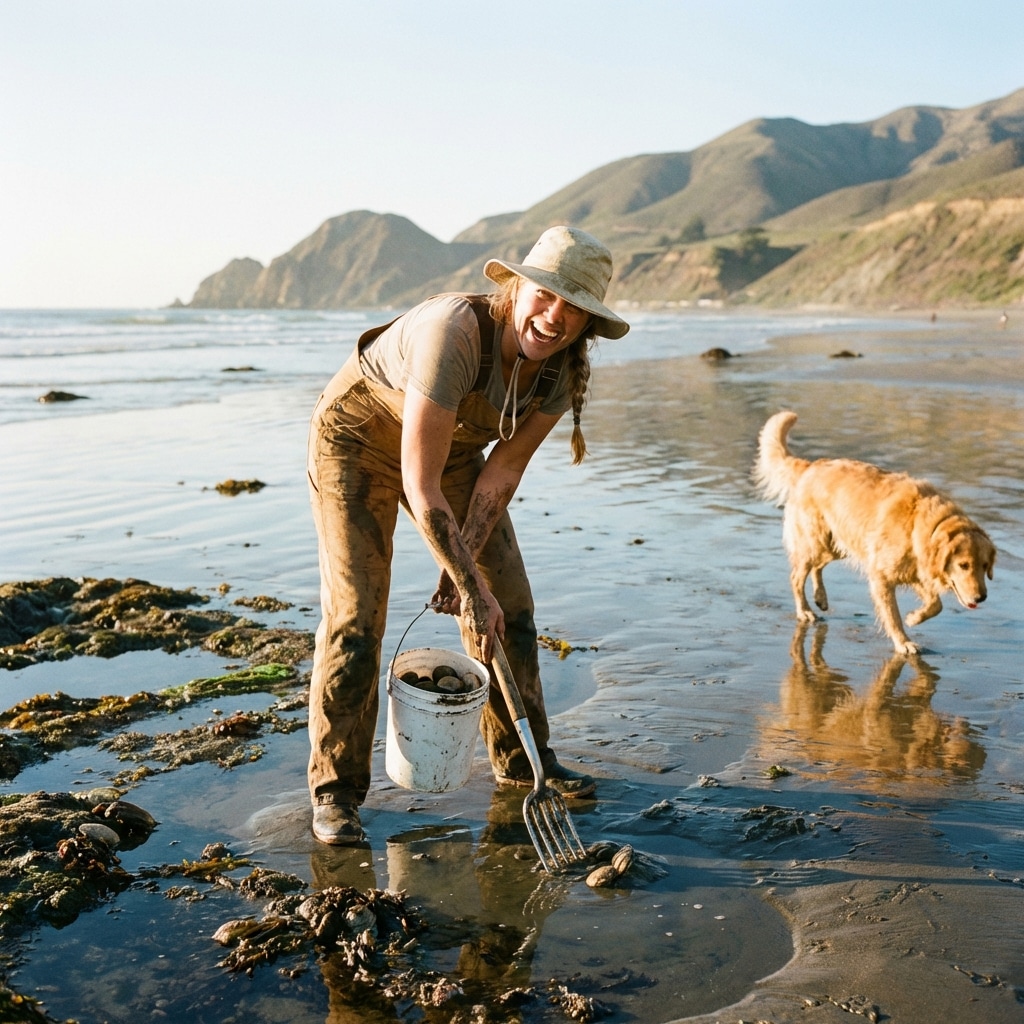
- Clamming Shovel or Clam Gun: Your primary digging tool. A sturdy shovel is versatile, while a clam gun is ideal for soft-shell clams in sandy, muddy flats.
- Clam Bag or Bucket: Essential for collecting your harvest. Choose something sturdy and easy to carry, ideally with drainage holes.
- Gloves: Protect your hands from sharp shells, cold water, and the elements. Waterproof gloves are highly recommended for comfort.
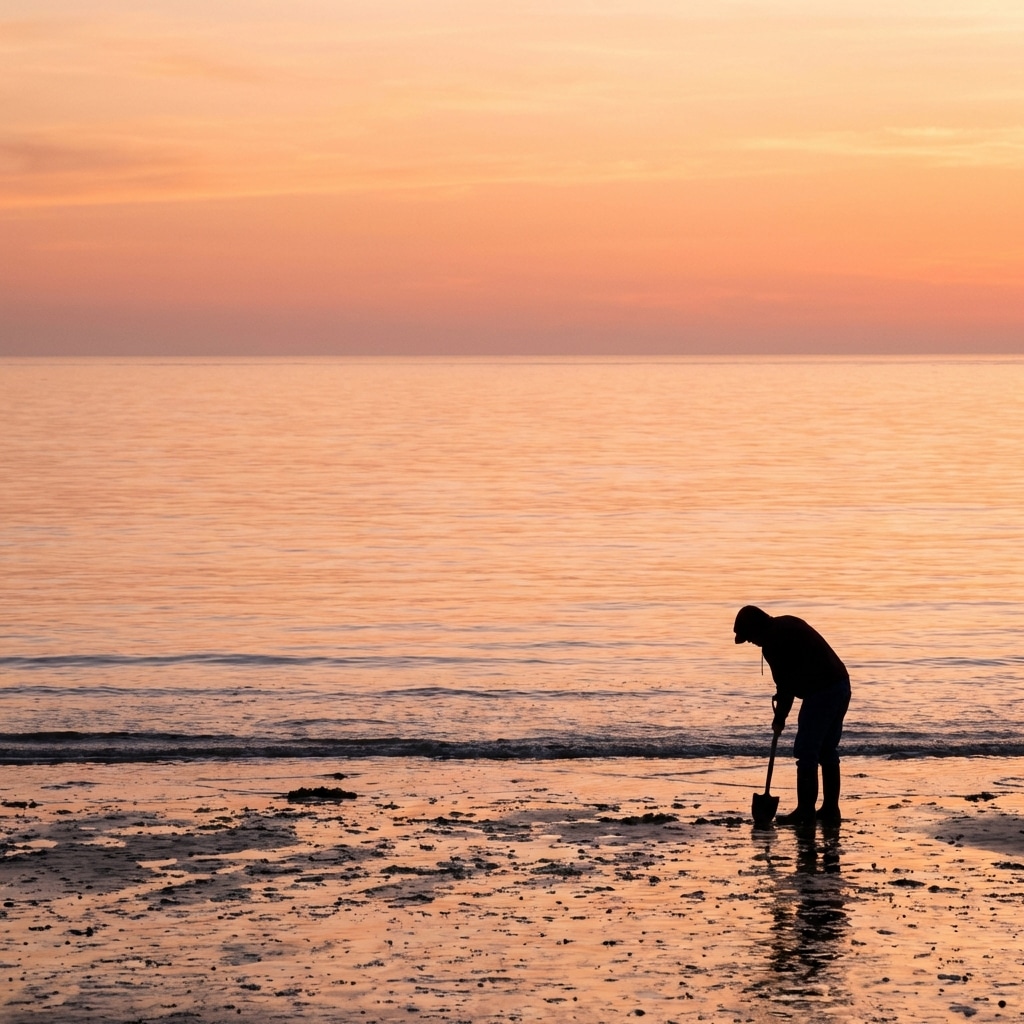
- Tide Chart: Clams are far easier to find during low tide, as more of the clam bed is exposed. Always consult a local tide chart and plan your trip accordingly.
- Appropriate Footwear: Waterproof boots or waders will keep you dry and comfortable, especially in muddy or wet conditions.
Remember, local regulations dictate not only the season but also size limits, daily bag limits, and approved harvesting methods. Always review these rules for your specific area and target species before heading out.
Mastering the Technique: How to Dig for Clams
The art of clam digging varies slightly depending on the type of clam you’re pursuing. Each species has unique habitats and often requires different extraction methods for optimal success.
For hard-shell clams like quahogs, a rake is often used to comb through the sand or mud flats, feeling for the tell-tale resistance of a clam. Soft-shell clams, often identified by their “show” (a small hole or dimple in the sand from their siphon), are typically harvested using a shovel or clam gun to dig a targeted hole and carefully extract them.
Safety First: Regulations and Food Safety
Beyond the thrill of the hunt, responsible clamming prioritizes safety – both for you and for those who will enjoy your catch. Adhering to local regulations and closures is paramount for sustainable harvesting and preventing illness.
Once your clams are harvested, proper food safety is crucial. Consuming raw or undercooked shellfish can pose health risks, especially if harvested during warmer months or from unapproved areas. As a rule of thumb, always cook clams until their shells fully open, indicating they are thoroughly cooked and safe to eat.
From Shore to Plate: Enjoying Your Clam Harvest
After a rewarding day on the flats, the best part awaits: savoring your fresh catch! Clams are a culinary delight, offering a rich source of protein, iron, and Vitamin B12. Their versatility in the kitchen is truly impressive.
Whether steamed in garlic butter, grilled with herbs, incorporated into a hearty chowder, or used in a pasta dish, fresh clams elevate any meal. For the truly adventurous, some varieties can even be enjoyed raw, but only if harvested from certified safe waters and handled with extreme care. Online resources offer countless clam recipes to inspire your next seafood feast!
In Conclusion: The Beauty of the Clam Digging Season
The Clam Digging Season transcends a simple harvest; it’s an invitation to connect with nature, embrace adventure, and appreciate the delicate balance of our marine ecosystems. It’s an activity that champions sustainability, offering both physical rewards and a deep sense of satisfaction.
So, equip yourself, check the tides, and dive into the unique world of clamming. You’ll not only enjoy the freshest, most delicious clams imaginable but also gain a profound appreciation for the rhythms of the sea. Your next outdoor adventure and a fantastic meal are waiting!