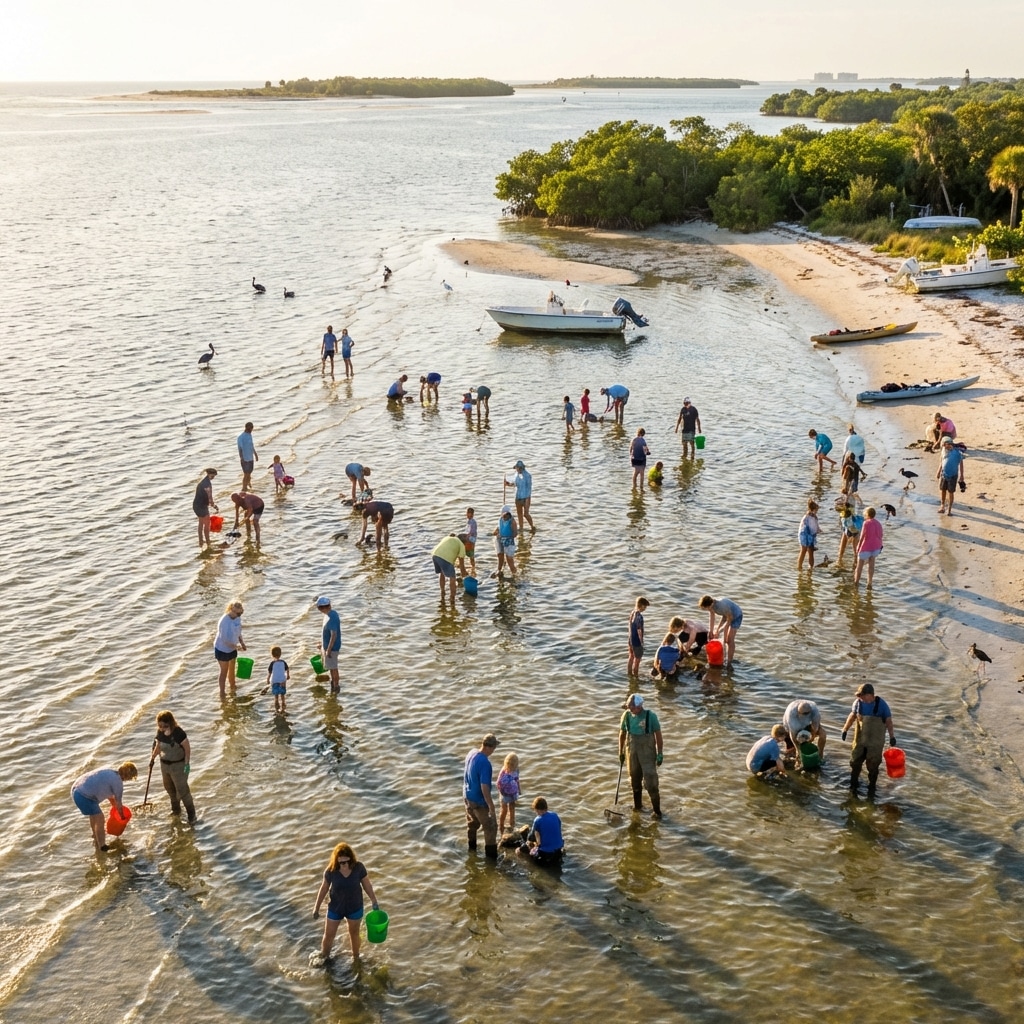
There’s a unique thrill in coastal clamming – the promise of fresh seafood, the sea air, and the hunt for hidden treasures beneath the sand. But any experienced digger will tell you: success hinges on one crucial tool. Forget your garden spade; when the tides recede and reveal their bounty, you need a specialized clam digging shovel.
This isn’t just a shovel; it’s your key to a fruitful expedition, turning a casual beach day into an epic harvest. If you’ve ever struggled with a flimsy tool or missed out on a prime catch, you know the frustration. This guide will transform your understanding of clam shovels, ensuring your next adventure is both successful and incredibly enjoyable.

Why a Clam Digging Shovel Isn’t Just Any Shovel
To the untrained eye, a clam digging shovel might resemble a regular garden tool. However, it boasts a sophisticated design, meticulously engineered to tackle the specific challenges of wet, sandy, and often unpredictable coastal environments. Its unique features make all the difference between a frustrating dig and a triumphant haul.
Engineered for Efficiency: Blade Design & Angle
The most distinctive feature of a clam shovel is its blade. Unlike the broad, flat blade of a garden spade, clam shovels typically have a narrower profile. This precision allows you to penetrate the sand with minimal effort, easily navigating around potential obstacles and targeting clams without causing damage.
Furthermore, the blade often features a subtle curve or an acute angle. This design is crucial for effectively scooping clams out of their sandy beds, ensuring you can lift them cleanly and efficiently. It’s this specialized geometry that transforms hard work into productive digging.
Built to Last: Materials & Construction
Clam digging is tough on equipment, demanding tools that can withstand saltwater, abrasive sand, and constant use. High-quality clam digging shovels are typically crafted from rust-resistant materials like marine-grade stainless steel or high-carbon steel. These materials ensure longevity and maintain blade sharpness even after numerous expeditions.
The handle is equally important, often made from durable wood or robust fiberglass. Both options offer excellent strength and a comfortable grip. Investing in superior materials guarantees your clam shovel remains a reliable partner for many seasons to come.
Ergonomics for Endurance: Grip & Handle Comfort
Hours spent digging can lead to significant hand and arm fatigue. A well-designed clam shovel prioritizes user comfort, featuring an ergonomic grip that minimizes strain. Some handles are even designed to offer better leverage, allowing for more powerful and less strenuous digging motions.
Consider features like cushioned grips or T-handles, which provide excellent control and comfort. These seemingly small details contribute significantly to your overall experience, allowing you to dig longer and more effectively.
Choosing Your Perfect Clam Digging Shovel: A Buyer’s Guide
Selecting the right clam digging shovel is a personalized decision that depends on several factors. Consider your typical clamming environment, personal physique, and local regulations to find the best clam shovel for your needs. A little foresight can significantly enhance your clamming success.
Match Your Terrain: Sand, Mud, or Rocky Shores
- Sandy Beaches: For soft, sandy beds, a traditional clam shovel with a slightly curved, narrower blade is ideal. It penetrates easily and scoops efficiently.
- Muddy Flats: In muddier or more compacted areas, look for a shovel with a slightly stronger blade edge, perhaps with a reinforced tip. This prevents bending and offers better leverage.
- Rocky Areas: While less common for clamming, if you anticipate rocky elements, a shovel with an exceptionally durable, possibly thicker steel blade is recommended to prevent damage.
Size and Reach: Finding Your Fit
Clam shovels come in various lengths, and choosing the right one for your height is crucial for comfort and efficiency. A shovel that’s too short will force you to stoop excessively, causing back strain. Conversely, a shovel that’s too long can be unwieldy and reduce leverage.
Test different lengths to find one that allows you to dig comfortably with a natural stance. Many clamming enthusiasts prefer slightly shorter handles for close-quarter digging and easier transport, but personal preference plays a significant role.
Quality Over Cost: Investing in Durability
While it might be tempting to opt for a cheaper clam shovel, remember that quality directly impacts performance and lifespan. A well-constructed shovel with high-grade materials will withstand years of saltwater exposure and rigorous use, paying for itself many times over.
Look for solid welds, secure handle attachments, and rust-resistant coatings. Investing in a durable clamming tool means less time replacing broken equipment and more time enjoying your coastal adventures.
Know Before You Go: Local Regulations
Before you even think about purchasing a clam shovel, always check local fishing and clamming regulations. Some regions have specific rules regarding the dimensions or types of tools permitted for harvesting. Violating these rules can lead to fines and spoil your day.
Local guidelines often aim to protect shellfish populations and ensure sustainable harvesting practices. Being informed not only keeps you compliant but also contributes to the health of our precious marine ecosystems.
Master the Dig: Essential Clamming Techniques
Possessing the best clam digging shovel is only half the battle; knowing how to use it effectively is the other. Mastering proper technique and understanding environmental factors will significantly boost your success rate and make your clamming trips more productive and enjoyable.
Timing is Everything: Harnessing the Tides
The golden rule of clam digging is to go at low tide. This is when the sandflats are exposed, making clams most accessible. Consult local tide charts and plan your expedition around the lowest tides, typically two hours before and after the predicted low.
Early morning or late evening low tides often yield the best results, as there are fewer people on the beach and clams might be less disturbed. Always prioritize safety and be aware of incoming tides.
The Art of the Scoop: Proper Shovel Technique
- Spot the “Show”: Look for small depressions or holes in the sand – these are often tell-tale signs of clams just beneath the surface.
- Position Your Shovel: Insert your clam shovel at an angle, about 4-6 inches away from the clam “show,” slightly behind it. This creates a pocket of sand you can lift without damaging the clam.
- Deep and Lever: Push the blade deep into the sand, then gently lever the handle back. This action should lift a section of sand, hopefully revealing your clam.
- Gentle Retrieval: Once exposed, carefully pick up the clam. Avoid unnecessary aggressive digging, which can break shells or injure other buried clams.
Post-Dig Care: Extend Your Shovel’s Lifespan
Your clam digging shovel is an investment, and proper maintenance ensures its longevity. After every use, thoroughly rinse your shovel with fresh water to remove all salt and sand. Saltwater is highly corrosive and can quickly degrade even rust-resistant materials.
Dry the shovel completely before storing it in a cool, dry place. For metal blades, a light coat of oil can offer additional protection against rust, especially if storing for extended periods. Regular care keeps your clamming gear in prime condition for countless future adventures.
Beyond the Basics: Modern Clam Shovel Innovations
While the fundamental design of clam digging shovels remains classic, manufacturers are continuously introducing innovations to enhance user experience and efficiency. These advancements make clamming more accessible and productive for everyone.
- Built-in Sieves: Some modern clam shovels feature integrated sieve designs. These allow sand and small debris to filter through, leaving behind clams for easier identification and collection.
- Lightweight Materials: Advances in composite materials mean lighter, yet equally durable shovels. This reduces fatigue, especially during long walks to prime clamming spots.
- Adjustable Handles: For maximum versatility, some shovels now offer adjustable handles, allowing users to customize the length for optimal comfort and digging leverage.
- Improved Ergonomics: Beyond just a comfortable grip, newer designs incorporate advanced ergonomic principles to optimize the digging motion, reducing strain on your back and arms.
Conclusion: Ready for Your Next Coastal Clamming Adventure?
The allure of fresh clams, harvested by your own hand, is an experience unlike any other. Armed with the insights from this guide and the perfect clam digging shovel, you’re not just prepared; you’re equipped for success. Remember, a great clamming trip combines preparation, respect for nature, and the right tools.
So, check those tide charts, grab your optimized clamming gear, and head to the coast. Your next bucket of delicious clams awaits. Happy digging!