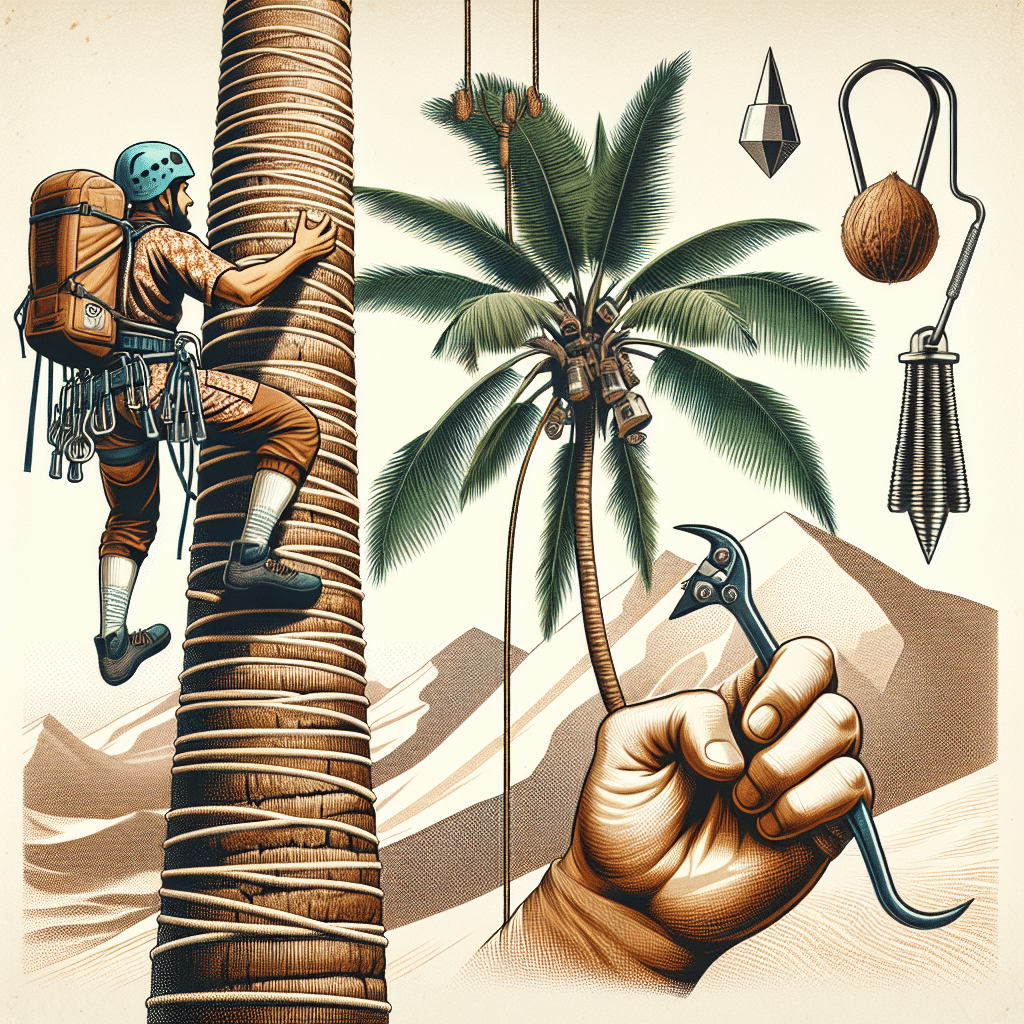
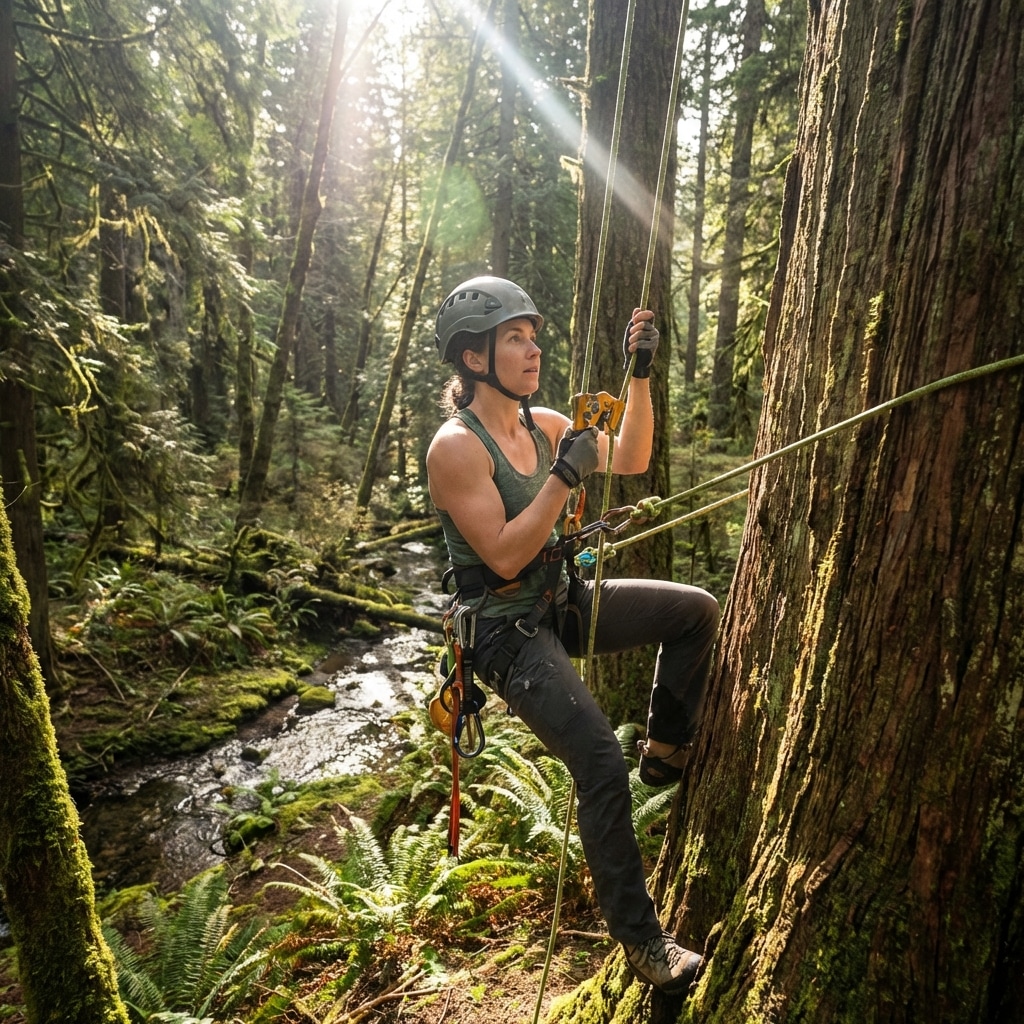
With their iconic silhouettes, coconut trees stand tall as symbols of tropical paradise, offering refreshing sustenance and challenging heights. For adventurers and harvesters alike, scaling these towering palms is a unique endeavor—a blend of ancient tradition, modern technique, and sheer determination. But how does one master the art of climbing a coconut tree, ensuring both efficiency and, most importantly, safety?
Whether you’re curious about traditional methods, an amateur seeking an adventurous new skill, or simply need to harvest your own coconuts, understanding the correct approaches is crucial. Let’s delve into the comprehensive guide to skillfully and safely ascending these majestic trees.
The Traditional Art of Coconut Tree Climbing: A Deep-Rooted Skill
In countless coastal communities, the ability to climb a coconut tree is more than just a skill; it’s a vital part of life and a generational tradition. Local farmers, often starting from a young age, develop incredible agility, strength, and an intuitive understanding of the tree’s structure. This intimate knowledge is essential for harvesting coconuts for oil, milk, and countless culinary uses.
Traditional climbers typically rely on their bare hands and feet, moving with a rhythmic grace that appears effortless. Their knowledge of the bark’s texture, the ideal footholds, and how to distribute their weight allows them to ascend quickly. It’s a testament to human adaptability and the intrepid spirit of those who make a living from the land.
Mastering the Ascent: Modern Techniques & Essential Safety Gear
While the traditional bare-handed method demands years of practice and inherent physical prowess, modern techniques and specialized equipment make coconut tree climbing more accessible for the enthusiast or amateur. Prioritizing safety is paramount, ensuring your climb is both successful and secure.
Your Essential Coconut Tree Climbing Equipment Checklist
Proper gear is your first line of defense against the inherent risks of climbing. Investing in the right tools significantly mitigates danger and enhances your ability to ascend safely.
Tree Climbing Harness: This crucial piece of equipment straps around your waist and thighs, providing essential stability and support. It allows you to rest and reduces strain during the climb.
Climbing Spikes (Gaffs): These specialized spikes attach to your boots, offering excellent grip and allowing you to penetrate the tough tree bark. They provide secure footholds, significantly reducing the risk of slipping.
Safety Helmet: A helmet is non-negotiable. It protects your head from falling debris, loose bark, or even a dislodged coconut from above.
Climbing Rope & Carabiners: A sturdy climbing rope, used with appropriate knots and carabiners, can offer additional security. It can be used as a lifeline, for belaying, or even for hauling down harvested coconuts.
Work Gloves: Protecting your hands from abrasions and providing extra grip on the bark can make a substantial difference in comfort and safety.
Step-by-Step Guide to Safely Climbing with Gear
Once you have your equipment ready, mastering the technique is the next step. Practice these movements on a shorter, less challenging tree before attempting taller ones.
Pre-Climb Inspection: Before you even touch the tree, inspect it for weak spots, loose bark, or potential hazards. Ensure your gear is in good condition and properly fitted.
Secure Your Harness and Spikes: Strap your tree climbing harness snugly and securely. Attach your climbing spikes firmly to your boots, ensuring they feel stable.
Initial Foot Placement: Position your feet firmly into the tree trunk, driving the spikes just enough for a secure grip. Lean back slightly into your harness, distributing your weight.
The “Walk” Up the Tree: Begin your ascent by alternating foot and hand movements. Drive one spike into the tree, then lift the other foot, placing it slightly above the first and driving its spike in.
Hand Placement and Pull: Simultaneously, use your hands to grasp the tree trunk, pulling yourself up as your feet secure your position. Ensure your hand grip is firm before making your next move with your feet.
Maintain Rhythm and Stability: The key is not speed, but a consistent, controlled rhythm. Focus on maintaining your balance and ensuring each spike and hand placement is secure before proceeding.
Descending Safely: Reverse the process carefully. Maintain your grip with both hands and feet, controlling your descent by releasing your foot spikes one at a time. Never rush the descent.
Are there any Alternatives to Climbing? Harvesting Coconuts Without Ascent
While the thrill of climbing a coconut tree is undeniable, it’s not a feasible or desirable option for everyone. Fortunately, several innovative alternatives allow for coconut harvesting without ever leaving the ground or risking a climb.
Pole Pruners and Harvesters: These extendable tools feature a sharp blade or hook at the end, allowing you to reach high coconuts from the ground. They are excellent for safely cutting the stem and letting the coconut fall, making them popular for residential and small-scale commercial use.
Specialized Long Poles with Blades: Similar to pruners, these simpler tools are essentially very long, strong poles with a curved blade or a basket attachment at the end. They allow for precise cutting or collection of coconuts from a distance.
Tree Climbing Robots: Emerging as a high-tech solution, tree climbing robots are an exciting innovation. These autonomous devices are designed to ascend trees, identify ripe coconuts, and harvest them mechanically. While still largely in development or high-cost commercial use, they represent the future of efficient and risk-free harvesting.
These alternatives offer significant advantages in terms of safety and can increase harvesting efficiency, especially in larger plantations where manual climbing is impractical or dangerous.
Conclusion
Climbing a coconut tree is an exhilarating adventure that connects you with nature and a rich cultural tradition. Whether you’re drawn to the physical challenge, the practical need for harvesting, or simply the desire to experience a unique skill, understanding the right techniques and prioritizing safety is paramount.
From appreciating the traditional artistry of local climbers to employing modern gear and methods, the journey to the top of a coconut palm is rewarding. Remember, the true excitement lies not just in reaching the summit, but in the disciplined, mindful, and safe climb itself. So, gear up, respect the tree, and enjoy the ascent!