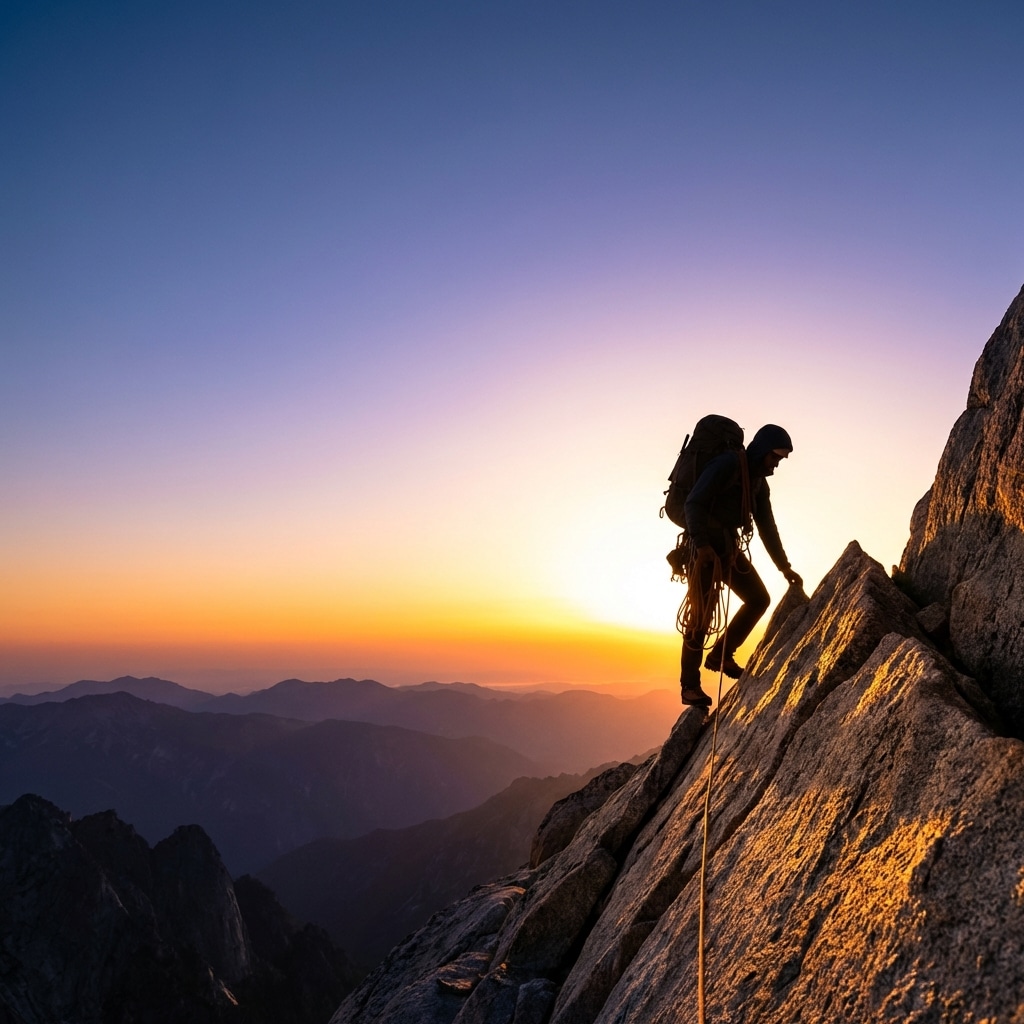
Dreaming of scaling towering peaks, breathing crisp mountain air, and witnessing landscapes that few ever see? Mountain climbing, or alpinism as it’s often called, is far more than just a sport – it’s an immersive journey that challenges your body, sharpens your mind, and nourishes your spirit. It’s about pushing boundaries, discovering untapped reserves of strength, and forging an unbreakable bond with the wild.

Whether you’re drawn by the raw thrill of adventure, the pursuit of peak physical fitness, or a deep yearning to reconnect with nature, the allure of the mountains is undeniable. But what exactly does it take to embark on such an epic quest? And is it truly an experience worth every grueling step?

What Exactly is Mountain Climbing (Alpinism)?
At its core, mountain climbing encompasses the diverse activities involved in ascending mountains. This broad definition includes everything from challenging hikes and multi-day treks through alpine terrain to technical rock climbing, ice climbing, and mixed climbing on some of the world’s highest summits. It’s a discipline that demands a unique blend of athleticism, technical skill, strategic planning, and unwavering mental fortitude.
Unlike casual hiking, mountain climbing often involves navigating challenging topography, extreme weather conditions, and significant risks. It’s a dynamic engagement with nature’s raw power, requiring respect, preparation, and a deep understanding of your surroundings.
Why Do People Embark on Mountain Climbing Adventures?
The reasons individuals choose to pit themselves against nature’s might are as varied as the mountains themselves. However, several compelling motivations stand out for those who answer the call of the wild.
The Unrivaled Thrill and Adrenaline Rush
For many, mountain climbing offers an unparalleled adrenaline rush. The challenge of overcoming formidable obstacles, the unpredictable nature of the elements, and the sheer height attained create a sense of exhilaration found in few other activities. It’s a primal satisfaction that comes from pushing personal limits and confronting the unknown.
Exceptional Physical and Mental Health Benefits
Mountain climbing is a holistic workout for both body and mind. Physically, it’s an intense full-body exercise that builds cardiovascular endurance, strengthens core muscles, and improves agility and balance. Your legs, arms, and back all get a rigorous workout, contributing to overall physical fitness.
Mentally, it sharpens focus, builds resilience, and enhances problem-solving skills under pressure. Facing fears, managing risks, and making critical decisions in challenging environments cultivate mental toughness that translates into all aspects of life.
Deep Connection with Nature and Serenity
Escaping the urban sprawl and immersing yourself in untouched wilderness is a profound experience. Mountain climbing takes you to pristine landscapes, where the air is pure, the silence is golden, and the views are awe-inspiring. It’s an opportunity to unplug, de-stress, and forge a deeper connection with the natural world, finding peace and perspective amidst grandeur.
The Ultimate Sense of Achievement and Personal Growth
Reaching a summit, after hours or days of relentless effort, delivers an incomparable feeling of accomplishment. It’s a testament to your perseverance, courage, and dedication. This journey of overcoming adversity fosters significant personal growth, boosting self-confidence and reminding you of your inner strength.
How to Prepare for Mountain Climbing: Your Journey to the Summit
Mountain climbing is not an endeavor to be taken lightly. Proper preparation is paramount for safety, success, and enjoyment. Here’s a comprehensive look at how to get ready.
1. Physical Conditioning: Building a Resilient Body
Your body is your most vital piece of gear. Focus on developing a strong foundation with:
- Cardiovascular Endurance: Regular running, cycling, swimming, or long hikes with a weighted pack.
- Strength Training: Compound exercises like squats, deadlifts, pull-ups, and core work to build overall body strength.
- Endurance Training: Long, sustained activities that mimic the duration and intensity of a climb.
- Flexibility and Balance: Yoga or stretching helps prevent injuries and improve movement efficiency on varied terrain.
2. Mental Fortitude: Training Your Mind for the Challenge
Just as crucial as physical readiness, mental preparation involves:
- Risk Assessment & Acceptance: Understanding the inherent dangers and making informed decisions to mitigate them.
- Focus & Concentration: Training your mind to stay present and focused on the task at hand, especially in stressful situations.
- Resilience: Developing the ability to push through discomfort, fatigue, and setbacks.
- Decision-Making: Practicing calm and rational thought processes under pressure.
3. Skill Development and Training
For more technical climbs, formal training is indispensable:
- Navigation Skills: Mastering map reading, compass use, and GPS devices.
- First Aid & Wilderness Medicine: Essential for handling emergencies in remote locations.
- Technical Skills: Learning rope work, knot tying, anchor building, self-arrest techniques (for ice/snow), and proper use of climbing hardware.
- Guided Expeditions: For beginners, starting with experienced guides or certified courses is highly recommended to learn foundational skills safely.
4. Choosing the Right Mountain for Your Level
Don’t bite off more than you can chew. Start with objectives that match your current fitness and skill level. Begin with shorter, less technical ascents and gradually progress to more challenging peaks as your experience grows. Research routes, weather patterns, and necessary permits thoroughly.
Essential Mountain Climbing Equipment: Gear Up for Safety and Success
Quality, reliable gear isn’t a luxury; it’s a necessity for mountain climbing. Here’s a breakdown of the basics and beyond:
- Layered Clothing System: Moisture-wicking base layers, insulating mid-layers (fleece, down), and waterproof/windproof outer shells.
- Mountaineering Boots: Sturdy, insulated, waterproof boots compatible with crampons (if needed for ice/snow).
- Climbing Harness: For technical routes, ensuring a secure connection to the rope.
- Climbing Helmet: Protects against falling rocks and impacts.
- Ice Axe & Crampons: Crucial for stability and self-arrest on snowy or icy terrain.
- Rope: Dynamic ropes for lead climbing, static ropes for fixed lines or rappelling.
- Technical Hardware: Carabiners, belay device, ascenders, protection (nuts, cams) – specific to the type of climbing.
- Backpack: Appropriately sized for day trips or multi-day expeditions, comfortable and durable.
- Navigation Tools: Map, compass, GPS device, and a portable charger.
- First Aid Kit: Comprehensive and well-stocked for wilderness emergencies.
- Headlamp: With extra batteries, essential for early starts or unexpected delays.
- Nutrition & Hydration: High-energy snacks, water bottles, and a water filter/purifier.
- Sun Protection: Sunscreen, sunglasses (category 4 for high altitude), and a wide-brimmed hat.
Always check the specific gear requirements for your chosen climb and ensure all equipment is in excellent condition.
What to Expect When You’re on the Mountain
Once you’re on the mountain, be prepared for a dynamic and often unpredictable environment. You will be challenged in ways you haven’t imagined, but the rewards are equally profound.
- Rapidly Changing Weather: Mountains are notorious for sudden weather shifts. Be ready for sun, rain, snow, and strong winds, often within a single day.
- Physical Exertion: Expect sustained periods of strenuous activity, potentially at high altitudes which further challenge your body. Fatigue will be a constant companion.
- Mental Demands: You’ll need to make critical decisions about route finding, pacing, and safety under pressure. Patience and a positive attitude are key.
- Breathtaking Vistas: The reward for your efforts will be unparalleled views – sweeping panoramas, endless skies, and a profound sense of scale and beauty.
- Unforgettable Accomplishment: The feeling of reaching a summit, taking in the world from above, and knowing you earned every step is truly exhilarating and deeply satisfying.
Can Anyone Become a Mountain Climber?
The good news is that mountain climbing is accessible to a broader range of individuals than you might think. While elite mountaineering demands exceptional fitness and skill, many forms of mountain climbing, such as trekking and beginner-friendly ascents, are achievable with proper preparation and a determined mindset.
Key is to start small, build your skills gradually, and always respect your physical limitations. Listen to your body, train consistently, and never underestimate the mountain. With the right training, gear, and guidance, virtually anyone can experience the magic of climbing mountains.
Conclusion: Is Mountain Climbing Worth the Challenge?
Mountain climbing is undeniably tough. It demands sacrifice, perseverance, and a willingness to step far outside your comfort zone. But for those who embrace its challenges, the rewards are immeasurable. It’s an adventure that transcends the physical, touching the very core of your being.
From the raw thrill of scaling a formidable peak to the quiet solitude of untouched wilderness, and the profound sense of self-discovery that comes with overcoming immense obstacles, mountain climbing offers a journey like no other. It’s a powerful metaphor for life itself – a continuous ascent, filled with uphill battles, breathtaking vistas, and the profound satisfaction of reaching new heights.
So, is it worth it? Absolutely. The only way to truly understand the transformative power of the mountains is to take that first courageous step. The summit awaits.