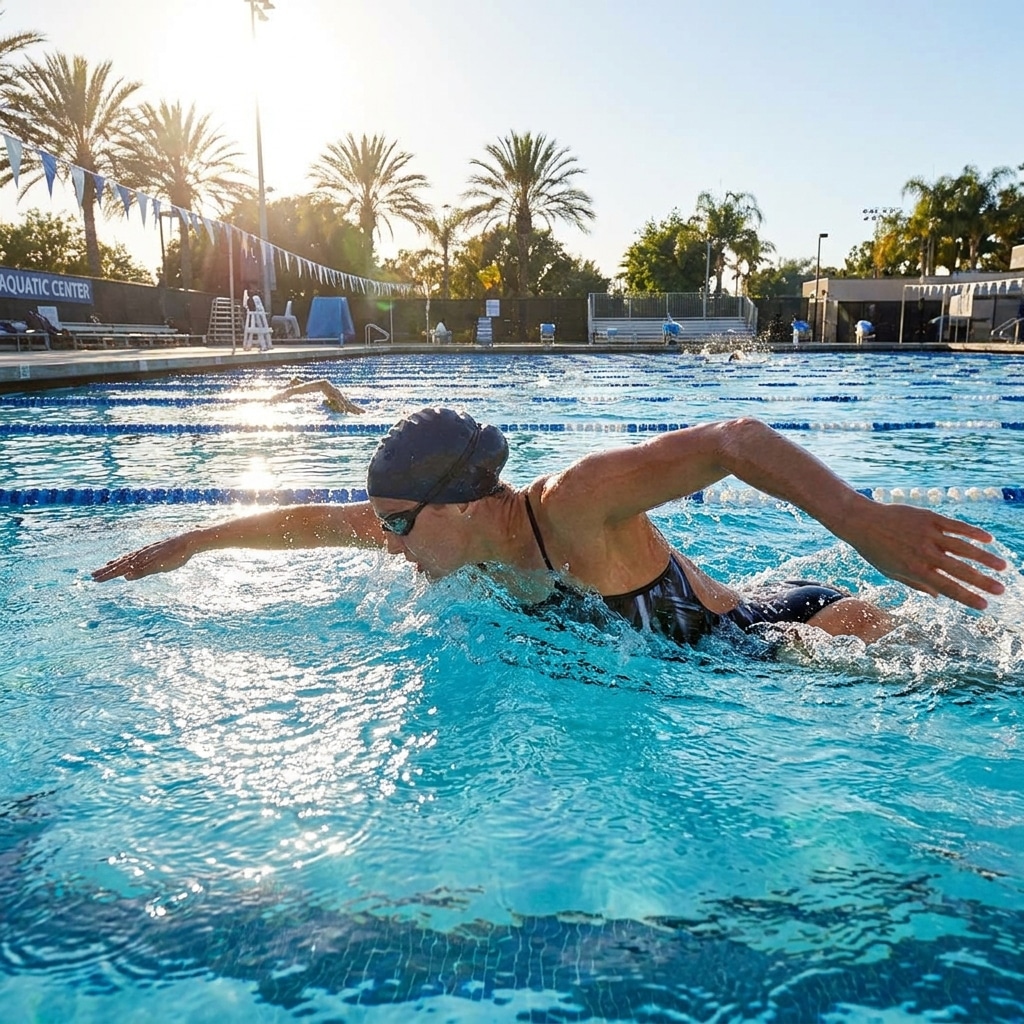
Swimming is an incredible way to stay fit, de-stress, and enjoy the water, offering a full-body workout that’s gentle on your joints. Whether you’re mastering a new stroke or simply floating peacefully, the sensation of being in water is uniquely refreshing. Yet, in our pursuit of aquatic enjoyment, many of us overlook a crucial aspect of our health: protecting our ears.
This is where high-quality ear plugs for swimming become indispensable. Far more than just a minor accessory, they are your first line of defense against common ear issues, ensuring your time in the water remains purely enjoyable and beneficial. Let’s dive into why these small devices make a huge difference for swimmers of all ages.
Why Waterproof Ear Plugs Are Non-Negotiable for Swimmers
Thinking about skipping ear plugs? You might be exposing yourself to more than just a little water in your ear. Here’s a closer look at the critical reasons to make ear protection a staple in your swim bag.
Prevent Swimmer’s Ear (Otitis Externa)
One of the most common and painful conditions swimmers face is otitis externa, widely known as swimmer’s ear. This infection occurs when water gets trapped in the ear canal, creating a moist environment where bacteria or fungi can thrive. Ear plugs form a reliable barrier, effectively keeping water out and significantly reducing your risk of this uncomfortable affliction.
Protect Against Cold Water & Exostosis
For those who frequent colder waters, ear plugs offer protection beyond just infection prevention. Repeated exposure to cold water can lead to a condition called exostosis, or “surfer’s ear,” where bone growths develop in the ear canal. These growths can eventually lead to hearing loss and increase the risk of trapped water and infections. Ear plugs help insulate your ears, guarding against this chronic issue.
Enhance Comfort and Focus
Beyond health protection, ear plugs dramatically improve your swimming experience. The constant sensation of water sloshing in your ears can be incredibly distracting, especially during intense training or competitive events. By creating a snug seal, ear plugs allow you to maintain complete focus on your technique, breathing, and performance, leading to a more efficient and enjoyable swim.
Choosing the Best Ear Plugs for Your Swimming Needs
Ear plugs aren’t one-size-fits-all. A variety of materials and designs exist to cater to different ear shapes, comfort preferences, and levels of protection. Finding the right pair is key to consistent use and optimal results.
Silicone Ear Plugs: The Moldable Marvels
Often a go-to for many swimmers, silicone ear plugs are praised for their moldable nature. These soft, pliable plugs can be gently shaped to fit the unique contours of your outer ear, creating an excellent, watertight seal. They are reusable, easy to clean, and a cost-effective solution for regular swimmers.
Flanged Ear Plugs: The Multi-Layered Defenders
Featuring multiple ridges or “flanges,” these ear plugs are designed to create a secure, incremental seal within the ear canal itself. Typically made from flexible silicone or rubber, flanged ear plugs are comfortable for extended wear and highly effective. They are an excellent choice for individuals who need maximum water protection or have specific ear canal shapes.
Custom-Fit Ear Plugs: The Ultimate Protection
For serious swimmers, competitive athletes, or anyone seeking unparalleled comfort and protection, custom-fit ear plugs are the gold standard. These are professionally molded directly to the precise shape of your ears, ensuring a perfect, airtight seal. While a larger initial investment, their superior fit, durability, and effectiveness make them a worthwhile consideration for dedicated aquatic enthusiasts.
Proper Use and Care for Long-Lasting Protection
To maximize the benefits of your swimming ear plugs, correct insertion and consistent maintenance are crucial.
Mastering Proper Insertion
Clean Hands: Always start with clean hands to prevent introducing dirt or bacteria into your ears.
Warm & Soften: For moldable plugs (like silicone), roll them between your fingers for a few seconds to warm and soften the material.
Straighten Ear Canal: Gently pull your ear upwards and outwards with your opposite hand. This helps to straighten the ear canal for easier and deeper insertion.
Insert & Seal: Carefully insert the ear plug into your ear canal. For moldable plugs, press gently to form a seal. For flanged plugs, twist gently until it feels snug. Hold for a few seconds to ensure it expands or settles.
Avoid Over-Insertion: Never push the plug too deep. It should feel secure without causing pain or discomfort.
Cleaning and Maintenance Tips
After Each Use: Rinse silicone and flanged ear plugs with mild soap and warm water immediately after each swim.
Thorough Drying: Allow your ear plugs to air dry completely before storing them. Moisture can harbor bacteria.
Proper Storage: Store your dry ear plugs in a clean, protective case to keep them free from dust and damage.
Check for Wear: Regularly inspect your ear plugs for signs of wear and tear, such as cracks, stiffness, or reduced elasticity. Replace them when they no longer provide a tight seal.
Custom Care: Always follow the specific cleaning instructions provided by the manufacturer for custom-fit ear plugs, as they may require special care.
Common Questions About Swimming Ear Plugs
Can Ear Plugs Really Boost My Swimming Performance?
While ear plugs won’t directly make you a faster swimmer, they are powerful indirect performance enhancers. By eliminating the distraction of water in your ears, they allow for greater focus on technique, rhythm, and breath control. This heightened concentration can lead to more efficient movements and a more productive training session, ultimately contributing to improved performance.
Are There Any Disadvantages to Using Ear Plugs for Swimming?
The benefits of ear plugs for swimming largely outweigh any minor drawbacks. Some individuals might initially find them a bit uncomfortable or tricky to insert correctly. Additionally, wearing ear plugs can slightly reduce your hearing, which might be a concern if you rely heavily on auditory cues from coaches or teammates. However, with a bit of practice and finding the right fit, these minor issues are typically overcome, making ear protection a seamless part of your swimming routine.
Final Thoughts: Prioritize Your Auditory Health in the Water
Embracing ear plugs for swimming is a simple yet profoundly impactful decision for anyone who loves to be in the water. From safeguarding against painful infections and chronic conditions like surfer’s ear to enhancing your comfort and focus, these small accessories deliver big benefits. Investing in a good pair of waterproof earplugs and integrating them into your routine is a proactive step towards ensuring your aquatic adventures remain healthy, enjoyable, and free from auditory worries. Protect your ears, and keep swimming strong!