Imagine the earth trembling slightly beneath your feet, the sound of mighty tusks rustling through acacia trees, and the awe-inspiring sight of the world’s largest land animal just meters away. This is the magic of an African elephant safari in Kenya, an experience that promises not just adventure, but a profound connection with nature’s gentle giants.

Kenya, renowned for its breathtaking landscapes and abundant wildlife, is pioneering new ways to interact with these magnificent creatures. From traditional game drives to innovative close-up encounters, discovering the African elephant here is an unforgettable journey.

The Majestic African Elephant: A Closer Look
Known scientifically as Loxodonta africana, the African elephant stands as a symbol of power and grace on the continent. These incredible animals belong to the family Elephantidae and exhibit fascinating biology and behavior.
Gentle Giants of the Savannah
Adult male African elephants are truly immense, weighing up to an astounding 6 tonnes (13,000 lb). Females, while slightly smaller, still command respect at around 5 tonnes (11,000 lb). Their sheer size allows them to dominate the landscape.
Despite their massive build, elephants can achieve surprising speeds, running up to 35 mph (56 km/h) on land. They are also adept swimmers, capable of navigating rivers and lakes with ease.
Life in the Herd: A Matriarchal Society
African elephants are highly social creatures, living in large, complex family units. Herds can consist of up to 100 individuals, primarily females and their calves.
These herds are famously led by a matriarch, an experienced and wise female who guides her family through migration routes and teaches vital survival skills. Male elephants, in contrast, typically live separately, forming smaller “bachelor” groups of ten to fifteen individuals.
Diet, Communication, and Musth
As herbivores, African elephants maintain their enormous bodies by consuming vast quantities of plant matter. Their diet primarily consists of soft plants, tree leaves, and roots within their reach.
It’s not uncommon to see them tearing bark from trees or even pulling down entire trees to access nourishing parts. Elephants also possess a unique communication system, using low-frequency sounds (below 10 Hz) that are inaudible to the human ear (which hears above 20 Hz).
For male elephants, a period known as “musth” brings a dramatic shift in behavior. Characterized by heightened aggression, elevated testosterone levels, and intense sexual activity, musth makes males particularly formidable.
During this time, they secrete a pungent liquid from glands on their cheeks and forehead, signaling their state to other elephants. This is a critical time for male dominance and breeding.
Kenya’s Cutting-Edge Elephant Safaris and Conservation Efforts
Kenya stands at the forefront of wildlife tourism, constantly innovating ways to bring visitors closer to its natural heritage while prioritizing conservation. The recent opening of Amu Ranch offers a truly unique elephant encounter.
A New Era of Interaction: Amu Ranch Hotel
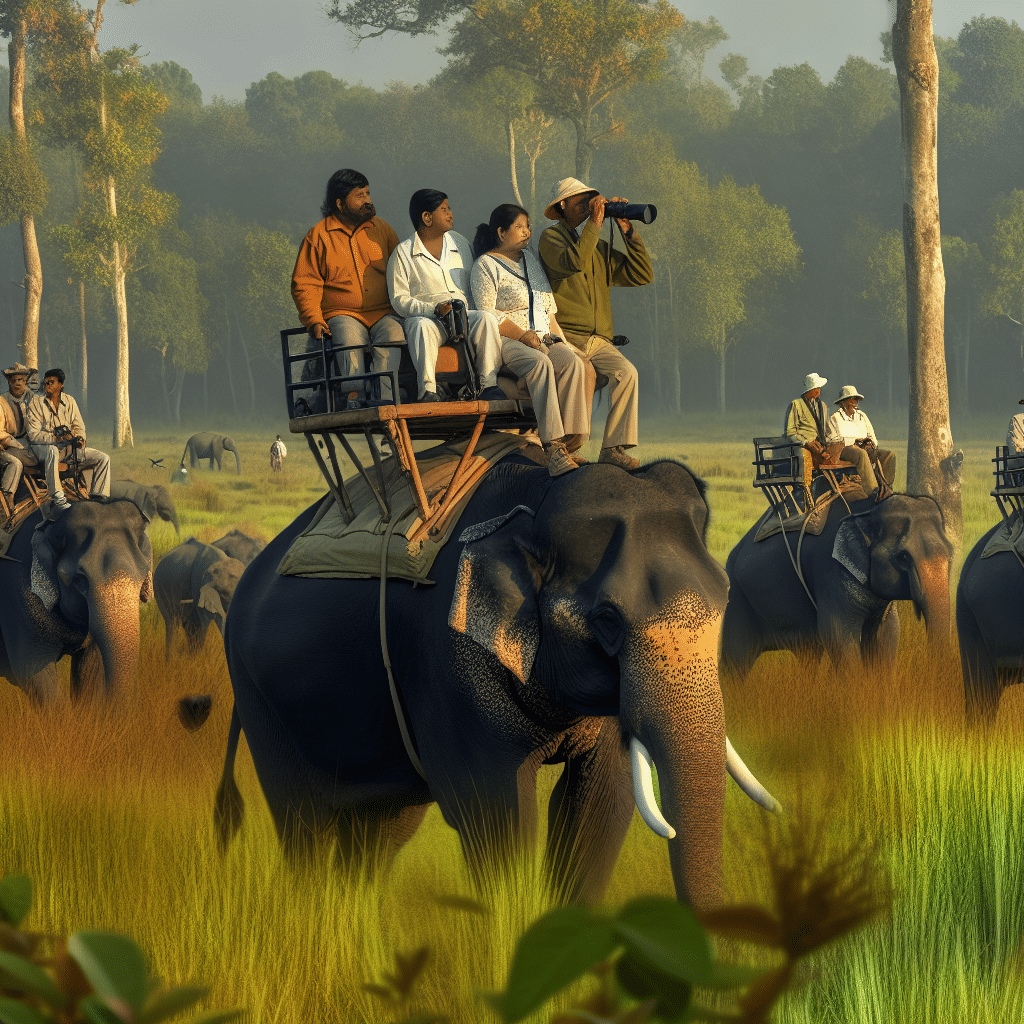
The Amu Ranch Hotel has introduced a pioneering concept, allowing guests to drive alongside, feed, and interact with elephants in their natural habitat. Located just outside Nairobi National Park, this initiative marks a new chapter in ethical wildlife tourism.
Described as “the start of a new era in tourism” by owner Edwin Luyt, this ranch is the first of its kind. While some critics raise safety concerns, many view it as an exciting opportunity to connect intimately with these majestic animals.
The experience involves a three-hour safari tour, operating daily and costing $200 (US) per person. Importantly, proceeds from these tours are dedicated to the protection of Kenya’s invaluable wildlife. Guests must be at least twelve years old to participate in this adventure, ensuring a mature and respectful interaction.
Beyond Amu Ranch: More Elephant Experiences in Kenya
While Amu Ranch offers a novel approach, Kenya provides various other avenues for elephant safaris and conservation engagement. Each offers a different perspective on these incredible creatures.
- Kenya Elephant Sanctuary: A vital haven for orphaned and abandoned elephant calves rescued from across the country. This sanctuary provides a safe, natural environment where young elephants can heal, grow, and receive high-quality care, serving as a foster home rather well-being than a zoo.
- The Elephant Discovery Center: Spanning over 22,000 acres, this center celebrates the elephant as one of nature’s true treasures. It offers elephants a biologically diverse and aesthetically beautiful environment, focusing on their and education about their conservation.
Planning Your Unforgettable African Elephant Safari in Kenya
Ready to embark on your own elephant adventure in Kenya? Here’s what you need to know to make your safari dream a reality, regardless of your budget or travel style.
Why Choose an African Elephant Safari in Kenya?
A Kenyan safari offers an unparalleled opportunity to witness wildlife up close in their natural habitat. For elephant enthusiasts, it’s the ultimate way to observe their complex social structures, unique behaviors, and sheer magnificence firsthand.
Safari on a Budget: Making Your Adventure Affordable
An African elephant safari in Kenya is accessible to all, whether you’re a budget traveler or seeking luxury. While unique experiences like Amu Ranch come at a specific price point, many national parks and reserves offer varied options.
To keep costs down, consider visiting during the shoulder seasons, exploring self-drive options where permitted, or booking packages that combine multiple attractions. With careful planning, a memorable elephant encounter doesn’t have to break the bank.
How Long Should Your Elephant Safari Be?
Your safari can be as short or as long as you desire. A single day or even a dedicated afternoon can provide incredible sightings, especially in parks like Nairobi National Park. For a more immersive experience, consider multi-day safaris that delve deeper into various ecosystems.
Best Time for an African Elephant Safari
The most popular and often recommended time for an African elephant safari in Kenya is during the dry seasons. From June to October and December to February, animals congregate around dwindling water sources, making them easier to spot.
The thinner vegetation also improves visibility, enhancing your chances of incredible wildlife encounters. Always check specific park conditions before planning your trip.
What to Eat on a Kenyan Safari
Your safari experience will be complemented by delicious local cuisine. Expect a delightful array of fresh local vegetables, hearty traditional meat dishes, and plenty of sweet Kenyan tea. Many lodges and camps pride themselves on farm-to-table dining, often using ingredients from their own gardens.
Safety First: Understanding Safari Dangers
While an African safari is exhilarating, it’s crucial to be aware of potential dangers. These include encounters with wild animals, various insects, and the general challenges of remote locations, especially regarding access to immediate medical care.
Always follow your guide’s instructions, stay within designated areas, and conduct thorough research on health and safety precautions before your trip. Being prepared ensures a safe and enjoyable adventure.
Embark on Your Kenyan Elephant Journey
An African elephant safari in Kenya offers more than just a trip; it’s an opportunity to witness raw beauty, incredible wildlife, and dedicated conservation efforts firsthand. Whether you choose an innovative experience like Amu Ranch or a classic game drive, the memory of these magnificent creatures will stay with you forever.
Start planning your adventure today and prepare to be captivated by the heart of Africa.