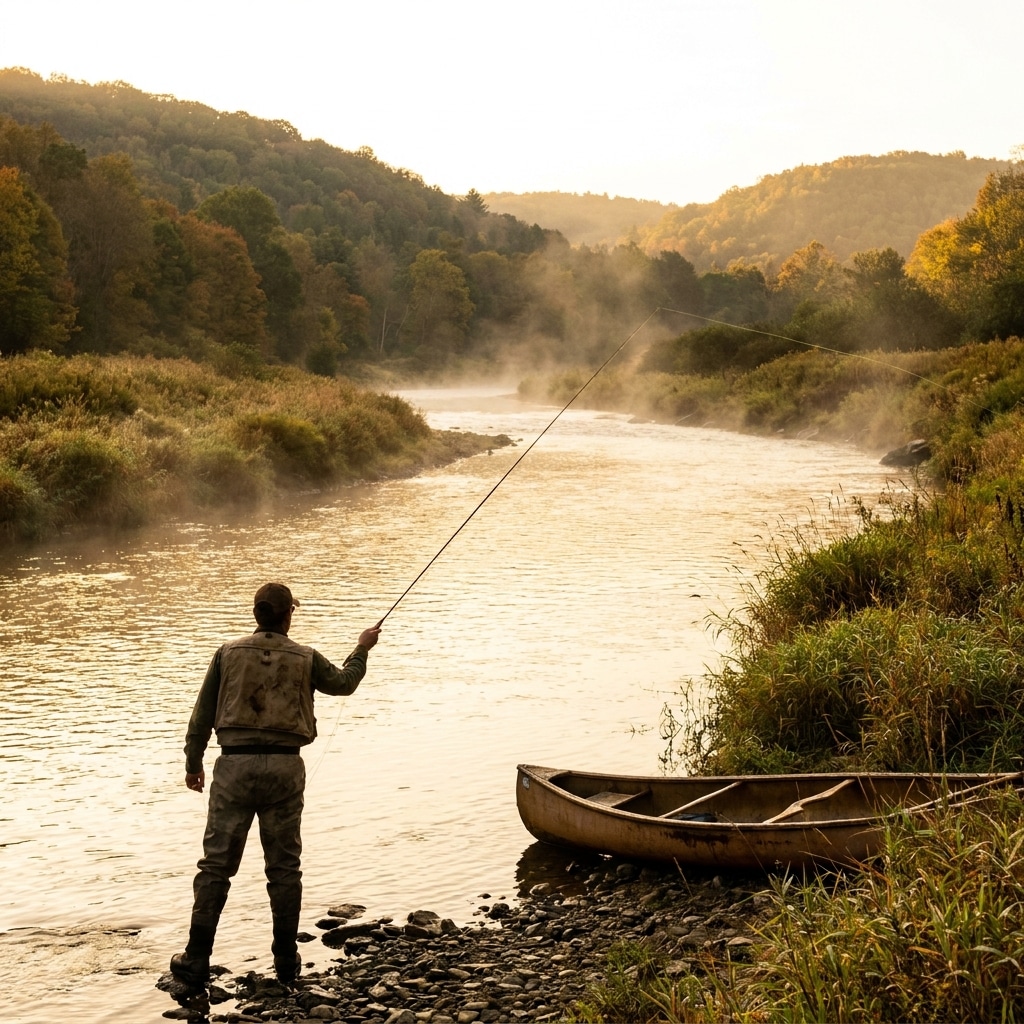
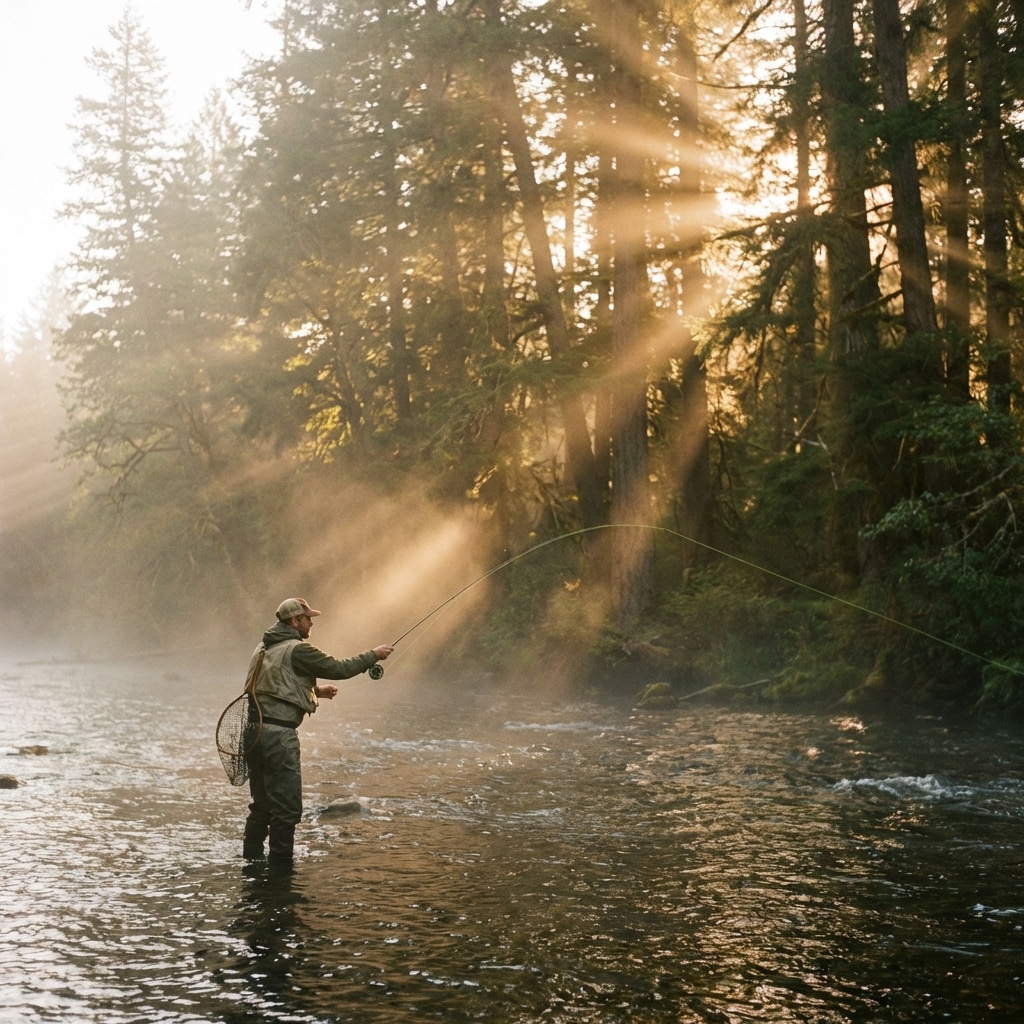
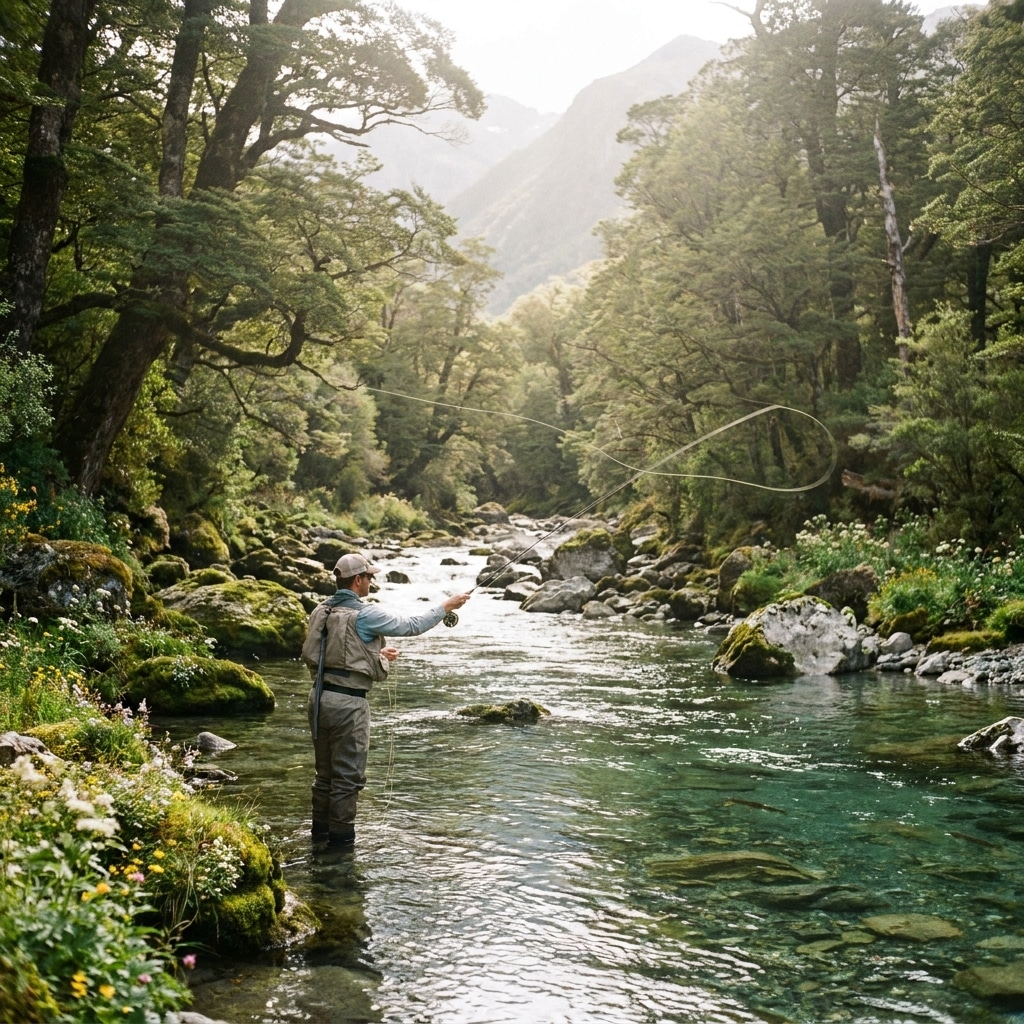
Fly fishing has long been celebrated as a serene art form, often conjuring images of pristine mountain rivers and crystal-clear streams. But what if we told you an equally rewarding, accessible, and often overlooked facet of this cherished practice lies closer than you think? Enter fishpond fly fishing – a unique blend of technical skill and tranquil environments that offers both new challenges and incredible opportunities.
Whether you’re a seasoned angler looking to hone your skills or a beginner eager to cast your first line, pond fly fishing provides an exceptional pathway. This comprehensive guide will unlock the secrets to mastering this versatile form of fly fishing, from gearing up and strategic casting to advanced techniques and ethical practices, ensuring your next outing is both fulfilling and productive.
Why Choose Fishpond Fly Fishing? Unlocking Its Unique Appeal
Fishpond fly fishing stands out because it marries the intricate dance of fly casting and presentation with the more controlled, often intimate setting of a pond. Unlike dynamic rivers, ponds offer a relatively static environment, which can be a double-edged sword: easier for beginners, yet demanding unique strategies from experienced anglers.
The Undeniable Advantages of Pond Fly Fishing
Unmatched Accessibility: Ponds are frequently closer to urban areas and require less strenuous travel than remote rivers, making them perfect for quick trips or anglers with mobility considerations.
Ideal Learning Environment: The calmer waters and predictable conditions of a pond create a fantastic classroom. Beginners can focus on casting mechanics, fly presentation, and strike detection without battling strong currents.
Enhanced Control: The confined space allows for more precise casting practice and easier retrieval of flies, reducing frustration and maximizing learning opportunities.
Targeted Practice: Ponds often host specific species, allowing you to practice techniques tailored to trout, bass, or panfish, refining your approach for future adventures.
Navigating the Challenges: What to Expect
Pressure and Overfishing: Due to their accessibility, ponds can experience higher fishing pressure. This often makes fish warier, demanding more stealth and refined techniques.
Limited Species Diversity: While some ponds are well-stocked, they typically host fewer natural species than large rivers or lakes, requiring specific fly choices.
Water Quality Fluctuations: Ponds are more susceptible to environmental factors like algae blooms, low oxygen levels, and temperature swings, which can significantly impact fish behavior and health.
Subtle Fish Behavior: Fish in still water can be incredibly selective and cautious. Detecting strikes often requires a keen eye and heightened sensitivity to subtle movements or changes in line tension.
Essential Gear for Your Fishpond Fly Fishing Success
Equipping yourself properly is the first step toward a successful and enjoyable fishpond fly fishing experience. While some gear is universal, optimizing for stillwater conditions will give you a distinct advantage.
Rods & Reels: The Right Balance
For most pond fishing scenarios, a versatile 4- to 6-weight fly rod, typically 7.5 to 9 feet in length, is ideal. This range offers enough backbone for casting larger flies and handling decent-sized fish, yet provides the sensitivity needed to detect subtle bites. Pair it with a matching fly reel with a smooth drag system, though an inexpensive click-and-pawl reel is often sufficient for smaller pond fish.
Fly Selection: Matching the Pond’s Menu
Choosing the right flies is paramount, as pond fish often have a very specific diet based on local insect life and baitfish. A diverse fly box tailored to the pond’s inhabitants will significantly increase your success.
Dry Flies: Imitate insects resting or struggling on the water’s surface. Think small Mayflies, Caddis, Midges, and especially Terrestrials like ants, beetles, and grasshoppers, which frequently fall into still waters.
Nymphs: Mimic aquatic insect larvae and pupae that reside below the surface. Popular choices include Pheasant Tails, Hare’s Ears, and Prince Nymphs, fished near the bottom or suspended under an indicator.
Streamers: Designed to imitate small baitfish, leeches, or larger aquatic insects. Woolly Buggers, Clouser Minnows, and Zonkers are excellent for attracting predatory fish like bass and larger trout.
Wet Flies: Soft-hackle flies fished just subsurface, mimicking emerging insects or drowned terrestrial bugs. They offer a more subtle presentation than nymphs and can be deadly on wary fish.
Lines, Leaders, and Tippets: The Finer Details
A floating weight-forward fly line is generally your best bet for most pond fishing, allowing for versatile presentations. Complement this with a 7.5 to 9-foot tapered leader (3X to 5X) that helps transfer casting energy smoothly and ensures a delicate fly presentation. Finally, add a tippet of appropriate strength (usually 4X to 6X) to match your fly size and target species, replacing it as needed.
Strategic Casting: Where to Find Fish in Ponds
Unlike rivers where currents dictate fish lies, pond fish can be anywhere. However, understanding their habits and preferred habitats will guide your casting and maximize your chances. “Reading the water” in a pond means observing structures, depth changes, and subtle signs of life.
Structure and Cover: Fish Havens
Fish in ponds, much like in any water body, seek security and food. Focus your efforts around any visible or suspected underwater structures. These can include:
Fallen Trees and Logs: Offer excellent cover from predators and ambush points for prey.
Rock Piles and Boulders: Create current breaks (even subtle ones) and provide hiding spots.
Weed Beds and Lily Pads: Dense vegetation harbors insects and baitfish, making them prime feeding zones.
Docks and Piers: Provide shade and structure, attracting fish to their cooler, darker areas.
Inflow/Outflow Areas: Even slight water movement can concentrate food and oxygen, drawing fish.
Depth and Seasonal Considerations
Fish behavior is heavily influenced by water temperature and oxygen levels, which vary with depth and season.
Warm Months: Fish often move to deeper, cooler water during the heat of the day, but might feed actively in shallower areas during dawn and dusk. Look for shade.
Cooler Months: Fish may hold in deeper, more stable waters where temperatures are more consistent. They might also bask in sun-warmed shallows on sunny days.
Thermoclines: In deeper ponds, a thermocline (a distinct temperature layer) can exist. Fish often congregate just above or below this layer, where oxygen and temperature are optimal.
Wind Lanes and Shady Spots
Don’t overlook the impact of wind and shade. Wind can create “lanes” on the surface, concentrating floating insects and debris, which in turn attracts feeding fish. Shady areas, especially during bright, sunny days, offer comfort and cover for fish, making them excellent targets.
Mastering Techniques for Productive Pond Fly Fishing
While the fundamental principles of fly fishing remain, adapting your techniques for the unique environment of a pond is crucial for consistent success. Patience, observation, and precise presentation are your best allies.
The Indispensable Roll Cast
Ponds are often surrounded by trees, bushes, or other obstructions that limit your backcasting space. Mastering the roll cast is essential. This technique allows you to cast your fly forward using only the water as an anchor, eliminating the need for a backcast and making it perfect for tight spots. Practice is key to achieving distance and accuracy with this invaluable cast.
Effective Retrieval Strategies
The way you retrieve your fly can be the difference between a strike and a missed opportunity. Experiment with various methods to entice cautious pond fish:
Slow, Steady Strip: Mimics natural prey movements, often effective for nymphs and streamers.
Short, Erratic Twitches: Can trigger a predatory response, especially with streamers mimicking injured baitfish.
Stop-and-Go: Pauses in retrieval can make your fly look like a vulnerable, struggling insect or minnow.
Leisurely Figure-Eight: A very subtle retrieve, especially effective for wary trout with small wet flies or nymphs.
Sharpening Your Strike Detection Skills
In calm pond waters, strikes can be incredibly subtle, ranging from a slight pause in your line to a barely perceptible “tick.” Here’s how to improve your detection:
Watch Your Line Tip: Any unnatural movement, twitch, or sudden stop can indicate a fish.
Feel the Take: Keep a light, yet firm, grip on your line and concentrate on feeling for any change in tension.
Use a Strike Indicator: For subsurface nymphing, a small, brightly colored indicator floats on the surface, signaling even the most delicate takes.
Presentation is Key: Soft Landings and Drifts
In still water, a heavy, splashy cast can spook fish. Aim for a delicate, soft landing of your fly. When fishing dry flies or nymphs under an indicator, achieving a natural “dead drift” (where the fly moves with any subtle currents or wind without drag) is critical to fooling discerning fish.
Preserving Your Pond: Ethical Practices and Conservation
Fishpond fly fishing offers wonderful opportunities, but it also comes with a responsibility to protect these fragile ecosystems. Adhering to ethical practices ensures healthy fish populations and a sustainable environment for everyone.
The Power of Catch and Release
Given the confined nature of ponds, practicing catch and release is vital for maintaining fish populations and preventing overfishing. When releasing fish:
Minimize Handling: Try to keep the fish in the water as much as possible.
Wet Your Hands: If you must handle the fish, wet your hands first to protect its protective slime coat.
Use Barbless Hooks: These make hook removal quick and easy, causing minimal damage.
Revive Gently: Hold the fish upright in the water, facing into any current, until it swims away strongly.
Keep it Clean: Protecting the Ecosystem
Always pack out everything you pack in. Litter, especially fishing line and tackle, can be incredibly harmful to aquatic life and birds. Even small pieces of microplastic from discarded lines can enter the food chain. Leave the pond better than you found it.
Monitoring Water Quality: Be an Advocate
Pay close attention to the health of the pond. Report any signs of pollution, unusual fish behavior, or harmful algae blooms to local authorities or environmental groups. Your vigilance can help safeguard these valuable resources for future generations of anglers.
Conclusion: Your Journey to Pond Fly Fishing Mastery Awaits
Fishpond fly fishing is more than just an alternative; it’s a gateway to diverse angling experiences, skill development, and peaceful communion with nature. Its accessibility, controlled environment, and unique challenges make it an ideal setting for both learning and refining your fly fishing prowess.
By understanding the nuances of pond environments, selecting appropriate gear, mastering specialized techniques like the roll cast, and committing to ethical practices, you can unlock a world of rewarding fly fishing adventures. So grab your rod, tie on a fly, and discover the satisfying secrets waiting beneath the tranquil surface of your local fishpond.