Dreaming of escaping the daily grind and reconnecting with nature? Florida’s State Parks offer an unparalleled outdoor experience, perfect for campers of all styles. From tranquil primitive sites hidden away in the wilderness to convenient RV spots with full hookups, the Sunshine State’s parks invite you to immerse yourself in its unique ecosystems.

Before you pack your bags and head out, let’s explore everything you need to know to plan an unforgettable camping trip at your favorite Florida State Park. Get ready for breathtaking landscapes, diverse wildlife, and memories that will last a lifetime.

Choosing Your Perfect Campsite: Types and Amenities
Florida State Parks cater to a wide range of camping preferences. Understanding the different types of campsites and the amenities they offer is key to a comfortable and enjoyable stay.
- Primitive Sites: Ideal for adventurers seeking a true wilderness experience, these rustic sites offer minimal amenities, often lacking drinking water, restrooms, or shower facilities. Many are accessible only by kayak, canoe, or on foot, providing unparalleled solitude.
- Developed Sites: These are your more traditional campsites, featuring basic amenities like a picnic table and a fire ring. They generally offer access to shared restroom facilities and potable water.
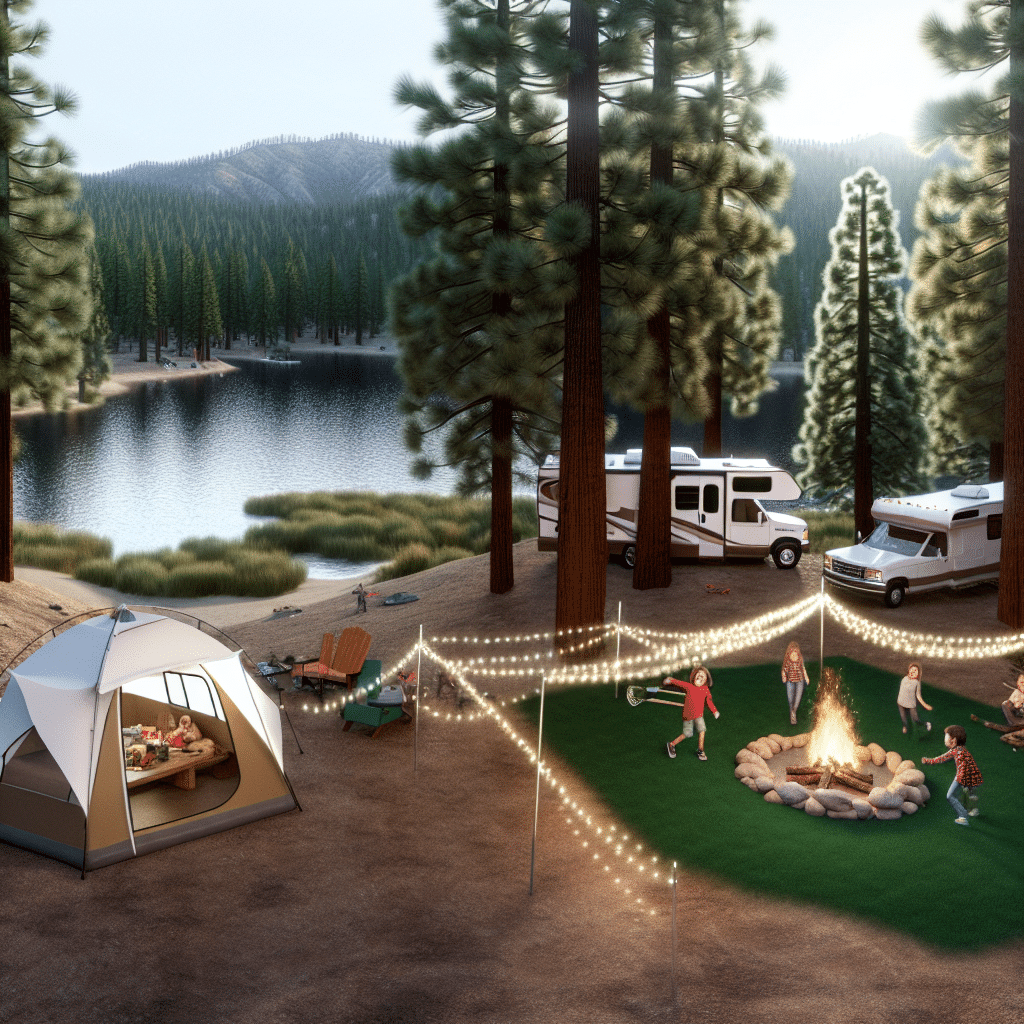
- Powered Sites: Designed for RVs and trailers, these sites come equipped with electricity and water hookups. While they accommodate larger vehicles, most Florida State Park campgrounds do not offer sewer connections directly at the site.
- Equestrian Campsites: For those traveling with horses, some designated campgrounds offer pet-friendly sites specifically designed to accommodate both you and your equine companions.
While specific amenities vary by park, common offerings across many Florida State Park campgrounds include showers, playgrounds, boat ramp access, picnic tables, and dump stations for RVs.
Planning Your Trip: Reservations, Fees, and Check-in
Making Your Reservations
Securing a spot at a popular Florida State Park campground often requires advance planning. You can make reservations up to 11 months ahead of your planned camping trip, especially if you have a specific site in mind. If your dates are flexible, reserving 2-3 months in advance is generally recommended.
Florida State Parks utilize a convenient online reservation system, which is the easiest way to secure your spot. A limited number of walk-in, first-come, first-served campsites are available, but these are highly sought after and not guaranteed. You can also make reservations by calling (800) 326-3521 during their operational hours.
Understanding Camping Fees and Entrance Passes
Camping fees vary significantly based on the park, the type of site, and the season. Expect to pay between $15-$40 per night for an unpowered site during peak season (March-October) and $5-$40 for a primitive site. Shoulder seasons (November-February) often see slightly lower rates, ranging from $12-$31 for unpowered and $2-$25 for primitive sites.
In addition to camping fees, all Florida State Parks have an entrance fee. This is typically $8 per vehicle for a single-day pass. If you plan to visit frequently, an Annual Individual Entrance Pass is available for $38 per year. This pass grants unlimited access to designated park areas for the pass holder (Florida residents, active duty, or retired military with 20+ years of service).
Check-in and Park Management
Upon arrival, you’ll generally check in at the park entrance station or with a park ranger. Some parks may not offer onsite campground check-in services, so it’s always best to contact the park directly before your trip for specific instructions. Park managers and rangers are also available to assist with any questions about amenities or site setup.
Cancellation and Refund Policy
Florida State Parks have a clear cancellation policy. If you cancel within 45 days of your arrival date, a full refund will be issued, minus a $5 processing fee. For cancellations made more than 45 days out, park management will determine refunds on a case-bycase basis, usually only if the number of reserved sites decreases or if a bad weather advisory is issued.
When to Go: Best Time for Florida Camping
The ideal time to camp in Florida State Parks depends on your preference for weather and crowds. If you enjoy warmer weather and swimming, the peak season from March to October is most popular, though reservations fill up fast starting in January.
For cooler temperatures, fewer crowds, and a more comfortable hiking or outdoor activity experience, consider visiting during the winter and shoulder seasons between November and February. The mild Florida winters are perfect for exploring without the intense summer heat and humidity.
What to Pack for Your Florida State Park Camping Trip
Given the varied amenities at campsites, it’s wise to pack thoughtfully. While some sites have basics, most will require you to bring essentials.
- Food & Cooking: Bring all your food, water, and cooking utensils. A cooler is essential for perishables.
- Personal Comfort: Insect repellent (crucial in Florida!), sunscreen, toilet paper, towels, and toiletries.
- Shelter & Sleep: Tent, sleeping bags, and sleeping pads appropriate for the Florida climate.
- Clothing: Dress in layers. Evenings can be cool, especially in winter. Cotton long pants, long-sleeved shirts, and comfortable boots are recommended, especially for hiking.
- Waste Management: Extra garbage bags are vital as you’re responsible for packing out all your trash.
Activities and Wildlife at Florida State Parks
Embrace the Outdoors: Recreational Activities
Florida State Parks are a playground for outdoor enthusiasts. You can enjoy a wide variety of activities, often right from your campground.
- Water Activities: Kayaking, canoeing, swimming in crystal-clear springs, fishing, and boating are immensely popular. Some parks offer equipment rentals, but always check for additional fees.
- Land Activities: Hiking, biking, and horseback riding trails abound. Many parks also offer guided tours and environmental education programs.
Witness Florida’s Diverse Wildlife
Camping in Florida puts you in close proximity to incredible wildlife. Keep your eyes peeled for alligators, otters, manatees, dolphins, wading birds, hawks, owls, and eagles. You might also encounter various snakes, turtles, and frogs.
Black bears do reside in Florida State Parks, though they are rarely seen in developed areas. If you encounter a bear, do not approach it or feed it (which is illegal). Report any sightings to park staff immediately. For more information on bear safety, consult Florida Fish and Wildlife Conservation Commission resources.
Rules and Regulations for Campers
Pet Policy
Good news for pet owners: dogs are allowed in designated areas at most Florida State Parks, including many campgrounds! However, strict rules apply to ensure the safety and enjoyment of all visitors and wildlife. Pets must always be kept on a leash and under control. They are not permitted in park buildings, cabins, yurts, or designated swim areas, and cannot be left unattended. Always check specific park rules before your visit.
Alcohol and Firearms
Alcohol is permitted in designated campsites but must be consumed responsibly and in accordance with all state laws. Visitors may carry firearms in Florida State Parks, but specific laws regarding where and when they can be discharged vary. Always practice firearm safety.
Prohibited Activities
To preserve Florida’s natural beauty and ensure public safety, certain activities are prohibited. It is unlawful to damage any natural feature or plant life. Visitors must not disturb wildlife, threaten public safety, or interfere with other park visitors’ peaceful experience. Wild camping (outside of designated campsites) is not permitted in Florida State Parks.
Featured Florida State Parks for Camping
While many parks offer excellent camping, some provide truly unique experiences. Here are a few notable mentions:
- Big Shoals State Park, FL: Known for its unique primitive, formerly kayak-accessible, now equestrian-friendly sites.
- Boggy Bayou Mullet Island Preserve State Park, FL: Accessible only by boat, this island preserve offers a quiet, private camping retreat.
- Caloosahatchee River Recreation, FL: Features primitive sites accessible by kayak or canoe along the wide-open riverbanks.
- Crystal River Preserve State Park, FL: Enjoy serene camping near the beautiful Crystal River with various options.
- Hontoon Island State Park, FL: A unique primitive campsite on an island, accessible only by kayak.
- Ichetucknee Springs State Park, FL: Camp beside one of Florida’s most crystal-clear springs, perfect for swimming and tubing.
- Stump Pass Beach State Park, FL: Offers rustic camping with direct beach access on the Gulf of Mexico.
Frequently Asked Questions About Florida State Parks Camping
How long can I stay at a Florida State Park campsite?
You are generally permitted to stay at a campsite for a maximum of 14 days before you must leave the site, unless special arrangements have been made with park management.
Are masks required at Florida State Parks?
At this time, masks are not typically required at campsites in Florida State Parks. However, it’s always good practice to check the latest guidelines before your visit.
Where can I camp for free in Florida?
There are no free campsites offered within Florida State Parks. All designated camping areas require a fee.
Can you camp on the beach in Florida State Parks?
In most cases, direct beach camping is not permitted in Florida State Parks. Some parks, like Stump Pass Beach, offer rustic campgrounds with beach access nearby, but typically not directly on the sand. Always check with individual park management.
What is considered a “vehicle” for pricing purposes?
A vehicle is generally defined as any unit requiring a valid tag to operate on public roads. Trucks with trailers are typically classified as a single unit and are subject to the appropriate fee.
How can I become a Florida State Park volunteer?
Becoming a volunteer is a rewarding way to support Florida’s State Parks. You can find more information about available opportunities and apply through the official Florida State Parks website.
Start Your Florida State Parks Camping Adventure!
With its diverse landscapes, abundant wildlife, and wide array of camping options, Florida State Parks offer an incredible opportunity to escape and explore. Whether you’re a seasoned RVer, a primitive camping enthusiast, or a family looking for a relaxing getaway, there’s a perfect spot waiting for you. Plan ahead, pack smart, and get ready to experience the natural wonders of Florida.