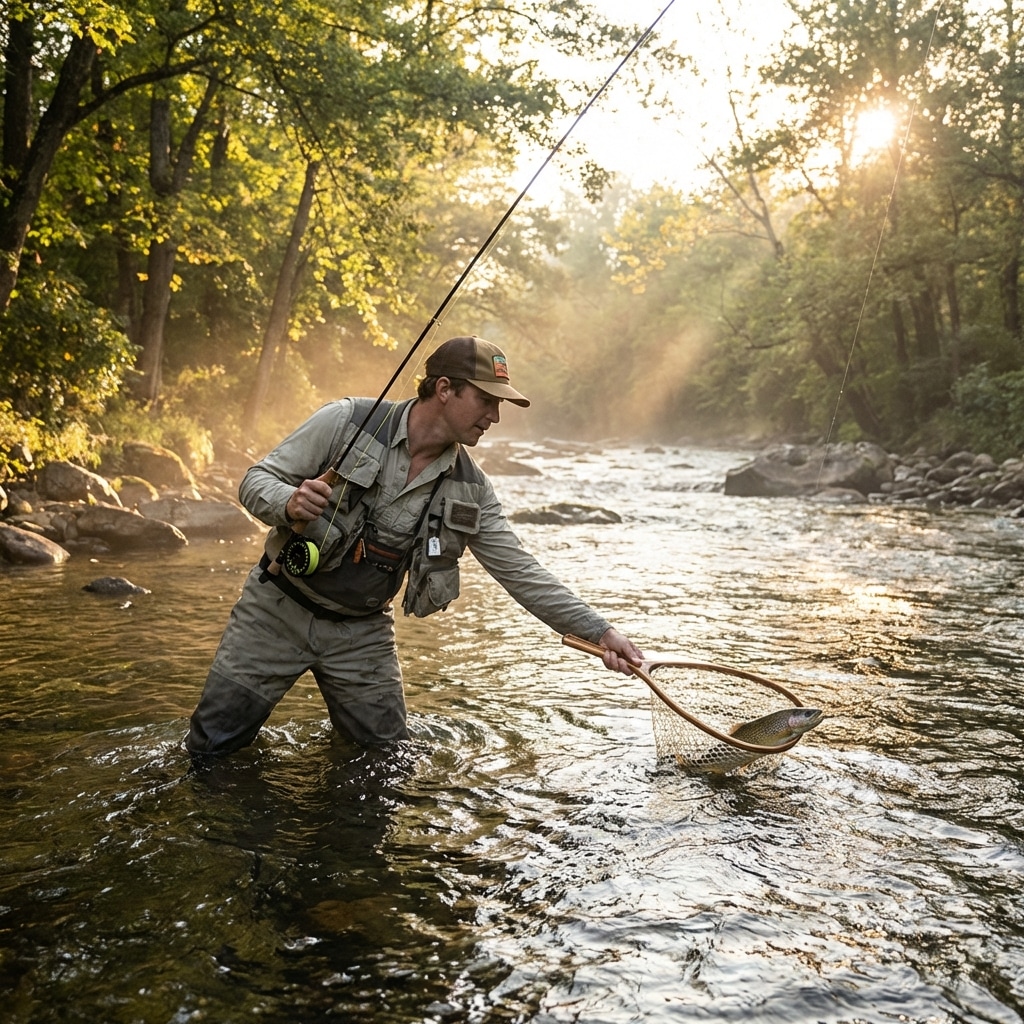
Fly fishing is more than just a hobby; it’s a passionate pursuit that demands skill, patience, and, crucially, the right equipment. While your fly rod and reel often steal the spotlight, there’s a foundational piece of gear that silently underpins every successful and safe angling adventure: your fly fishing boots.
These aren’t just any boots. Designed to endure unforgiving riverbeds, slippery rocks, and diverse weather conditions, quality wading boots are your first line of defense against potential hazards, ensuring both your comfort and stability from the moment you step into the water. Overlooking their importance is a mistake no serious angler can afford to make.
Why Your Fly Fishing Boots Are Non-Negotiable for Every Angler
Many anglers prioritize their rod and reel, but seasoned veterans know that fly fishing boots are the unsung heroes of the gear bag. They are far more than just footwear; they are an essential safety and performance tool, especially when navigating unpredictable aquatic environments.
Unmatched Safety on Treacherous Terrains
Imagine wading into a rocky river, currents tugging at your legs, and the riverbed unseen beneath you. This is where reliable wading boots become critical. They provide superior grip on slick surfaces, drastically reducing the risk of slips and falls that can lead to serious injuries.
Beyond preventing tumbles, quality fishing boots offer crucial ankle support. This stability is paramount when standing in moving water or traversing uneven ground for extended periods, protecting you from sprains and twists.
Superior Comfort for Long Days on the Water
An angler’s day can stretch for hours, demanding constant movement and standing in varied conditions. Well-designed fly fishing boots incorporate padding and ergonomic designs to minimize discomfort and combat foot fatigue.
This enhanced comfort allows you to focus on the fishing, not your aching feet, leading to more enjoyable and productive outings.
Protection Against the Elements and Unseen Threats
Most wading boots are built with water-resistant or fully waterproof materials, ensuring your feet stay dry inside your waders. This isn’t just about comfort; it’s about preventing hypothermia in colder waters and reducing the risk of foot ailments.
Furthermore, their robust construction shields your feet from sharp rocks, submerged branches, and other underwater hazards that could easily injure bare or poorly protected feet.
Choosing the Right Pair: Key Considerations for Your Next Fly Fishing Boots
Investing in the best fly fishing boots requires careful consideration of several factors. Your choice will significantly impact your safety, comfort, and overall performance on the water.
Sole Type: The Foundation of Your Grip
The sole is perhaps the most critical component of any wading boot, directly impacting your traction.
Felt Soles: Offer exceptional grip on extremely slippery, moss-covered rocks. However, they can wear down faster, perform poorly on mud or snow, and are often restricted in areas to prevent the spread of invasive species.
Rubber Soles: More durable and versatile across various terrains, including dry land, gravel, and mud. While not as sticky as felt on slick, wet rocks, modern rubber compounds and aggressive tread patterns provide impressive traction. They are also easier to clean and widely accepted.
Interchangeable Soles: Some premium fly fishing boots feature removable soles, allowing you to switch between felt and rubber as conditions or regulations demand. This offers maximum adaptability.
Material Matters: Durability, Weight, and Drying Time
The materials used in fishing boots determine their longevity, comfort, and maintenance needs.
Leather: Known for its superior durability, support, and ability to mold to your foot over time. However, leather boots can be heavier, take longer to dry, and often require more maintenance.
Synthetic Materials: Modern synthetics (like nylon, polyester, and synthetic leather) are lightweight, dry quickly, and often more affordable. They offer excellent abrasion resistance and are generally low-maintenance, though their lifespan might be slightly less than well-cared-for leather.
Blends: Many wading boots combine materials to leverage the benefits of each, offering a balance of durability, weight, and quick-drying properties.
Essential Ankle Support: Stability in Swift Currents
Proper ankle support is non-negotiable for safety. When standing in swift currents or navigating uneven riverbeds, strong ankle support helps prevent painful sprains and injuries. Look for fly fishing boots with robust lacing systems and stiff uppers that cradle your ankle securely without restricting movement.
Fit and Comfort: Your Feet Will Thank You
Always try on wading boots with your waders and the thickest socks you plan to wear. You need enough room for comfortable toe movement without your foot sliding around. A good fit prevents chafing, hot spots, and overall foot fatigue during long days.
Extending the Life of Your Investment: Proper Fly Fishing Boot Maintenance
Your fly fishing boots are a significant investment. Proper care not only prolongs their lifespan but also ensures they perform optimally and helps protect delicate aquatic ecosystems.
Immediate Post-Trip Cleaning: Wash Away the Hazards
After every outing, clean your boots thoroughly. Remove all visible dirt, sand, and grit using a stiff brush and clean water. Pay special attention to the soles and crevices where debris can hide.
Critically, cleaning also removes aquatic invasive species (AIS), which can hitchhike on your gear and devastate native ecosystems. “Check, Clean, Dry” is a mantra for responsible anglers.
Thorough Drying Techniques: Combat Mold and Mildew
Never store your wading boots wet. Incorrect drying creates a breeding ground for mold and mildew, which can degrade materials, cause unpleasant odors, and shorten the boots’ life.
Open all laces and flaps.
Stuff newspaper or paper towels inside to absorb moisture (change regularly).
Air dry in a well-ventilated area, away from direct sunlight or artificial heat sources like radiators, which can damage materials.
Consider a boot dryer for quicker and more effective drying.
Smart Storage Solutions: Preserve Performance
Once completely dry, store your fishing boots in a cool, dry place. Avoid leaving them in direct sunlight or extreme temperatures for prolonged periods, as this can cause materials to become brittle or degrade prematurely.
Beyond the Gear: A Commitment to the Environment
Your choice and care of fly fishing boots extend beyond personal safety and comfort. By rigorously cleaning your boots and preventing the spread of invasive species, you play a vital role in preserving the pristine waterways that make fly fishing such a cherished activity. This small effort makes a huge impact on the health of our aquatic environments.
In Conclusion: Don’t Overlook Your Fly Fishing Boots
In the nuanced world of fly fishing, every piece of gear contributes to your success and enjoyment. Your fly fishing boots, far from being an afterthought, are a critical component for safety, comfort, and performance. They are the foundation upon which your entire angling experience rests.
By understanding their importance, carefully selecting the right pair, and committing to proper maintenance, you’ll ensure that every step you take on your fly fishing journey is confident, comfortable, and environmentally responsible. Invest wisely in your wading boots – your feet, and the rivers, will thank you.