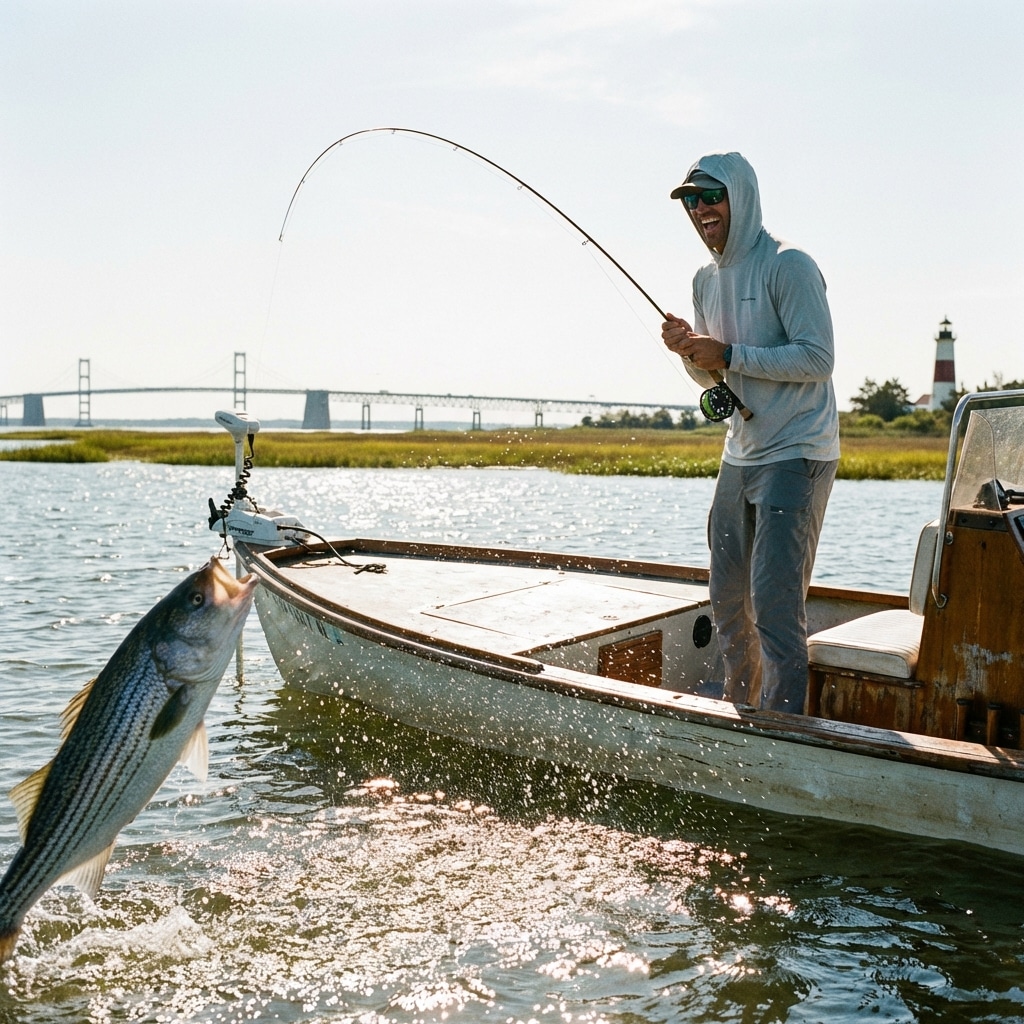
Fly fishing is more than just a sport; it’s an intricate dance between angler and nature, demanding precision, patience, and the right gear. While the rod often steals the spotlight, there’s another crucial component working tirelessly behind the scenes: the fly fishing reel. Far from just a line holder, your reel is an essential tool that balances your setup, controls powerful fish, and makes every cast and retrieve a smooth experience.
If you’ve ever felt the thrill of a striking trout or the drag of a leaping salmon, you know the importance of reliable equipment. This guide will meticulously unravel the mechanics, types, and maintenance of the fly fishing reel, transforming it from a mysterious contraption into an indispensable ally on your angling adventures.
The Fly Fishing Reel: An Essential Overview
At its core, a fly fishing reel is the cylindrical device attached to your fly rod. Its primary function is to store your fly line, backing, and leader neatly. However, in fly fishing, its role extends significantly beyond simple storage. It’s the critical counterweight that balances your rod, making casting smoother and less fatiguing.
A well-matched reel ensures your entire setup feels like a natural extension of your arm, enhancing control and accuracy. When a fish takes your fly, the reel’s drag system becomes paramount, allowing you to fight powerful fish without breaking your line.
Key Components of a Fly Reel
Spool: The rotating part that holds your line. Spool size (arbor) significantly impacts line retrieval and memory.
Drag System: The most critical component for fighting fish. It applies adjustable tension to the line, preventing breaks and tiring out the fish.
Reel Foot: The part that attaches the reel securely to your fly rod.
Handle: Used to manually retrieve line onto the spool.
Frame (Housing): The main body of the reel, protecting internal components and providing structural integrity.
A Glimpse into History: The Evolution of Fly Reels
Like many essential tools, the fly fishing reel has a rich history of innovation. The earliest form of a fishing reel dates back to ancient China around the 4th century AD, a simple device for line storage. Fast forward to the 18th century in England, and we see the introduction of gearing systems, laying the groundwork for more sophisticated designs.
The 19th and 20th centuries brought revolutionary advancements, with pioneers experimenting with new materials like aluminum and creating more refined drag systems. Today’s fly reels are marvels of engineering, crafted from lightweight, durable alloys, offering unparalleled performance and reliability.
Types of Fly Fishing Reels: Matching Your Angling Style
The world of fly fishing reels offers a diverse array of options, each engineered for specific fishing scenarios and preferences. Understanding the differences is key to selecting the perfect reel for your adventures.
Single Action Reels: The Tried and True Workhorse
The most common type, a single action reel operates on a straightforward 1:1 gear ratio. This means one complete turn of the handle equals one revolution of the spool.
Pros: Simple design, incredibly durable, lightweight, and typically more affordable. Excellent for smaller fish where the reel is primarily for line storage and balance.
Cons: Slower line retrieval compared to multiplying reels.
Large Arbor vs. Standard Arbor: A Modern Consideration
Within single action reels, you’ll often encounter standard arbor and large arbor designs. The arbor is the inner core diameter of the spool.
Large Arbor Reels: Feature a wider inner spool diameter. This results in faster line retrieval per crank and reduces line memory (coiling). Essential for fighting strong, fast-running fish like bonefish or steelhead.
Standard Arbor Reels: Have a smaller inner spool diameter. While they retrieve less line per crank, they often hold more backing, which can be beneficial for very long runs.
Automatic Reels: A Niche Choice
Automatic reels feature a spring-loaded mechanism that retracts the line with the flick of a lever. There’s no handle to turn manually.
Pros: Quick line retrieval with one hand, useful in tight spaces.
Cons: Heavier, more complex, prone to mechanical issues, and less control over line tension.
Ideal Use: Often favored by specific styles of stillwater fishing or for anglers with physical limitations.
Multiplying Reels: Speed and Power
These reels use a gear system to retrieve line faster than a single action reel, typically at a 2:1 or even 4:1 ratio. One crank of the handle turns the spool multiple times.
Pros: Very fast line retrieval, crucial when a fish charges towards you. Offers more torque for battling larger fish.
Cons: Heavier, more expensive, and more complex.
Ideal Use: Targeting large, powerful game fish such as salmon, pike, or saltwater species.
How to Choose the Right Fly Fishing Reel: Your Angling Blueprint
Selecting the perfect fly fishing reel isn’t about finding the “best” one, but rather the best one for *you* and your specific fishing goals. Several factors should guide your decision to ensure a harmonious and effective setup.
Match Reel to Rod Weight
The most fundamental rule is to match your reel’s weight and line capacity to your fly rod’s weight rating. A 5-weight rod should be paired with a 5-weight reel (or a reel designed for 4-6 weight lines). This ensures proper balance, preventing tip-heavy or butt-heavy setups that hinder casting accuracy and cause fatigue.
Consider Your Target Species
The size and power of the fish you’re pursuing heavily influence your reel choice, particularly the drag system. For panfish or small trout, a basic click-and-pawl drag might suffice. However, for hard-fighting species like steelhead, carp, or any saltwater fish, a robust, smooth, and sealed disc drag system is non-negotiable to prevent break-offs and ensure control during long runs.
Evaluate the Fishing Environment
Are you fishing in freshwater or saltwater? Saltwater environments demand reels made from corrosion-resistant materials (e.g., anodized aluminum) with fully sealed drag systems to protect against salt and sand intrusion. Freshwater reels can be less robust in this regard but still benefit from quality construction.
Budget and Brand Reputation
Fly reels range widely in price. While it’s tempting to save, remember that a good reel is an investment that will last for years. Reputable brands offer excellent warranties and customer service. Determine your budget, but prioritize quality components, especially the drag system, over purely aesthetic features.
The Art of Fly Reel Maintenance: Extend Its Lifespan
A high-quality fly fishing reel is built to last, but even the best equipment requires proper care to maintain peak performance and prevent premature wear. Regular maintenance ensures your reel is always ready for action, protecting your investment.
Post-Fishing Rituals
Rinse Thoroughly: After every outing, especially in saltwater, thoroughly rinse your reel with fresh water. Pay extra attention to the drag knob and spool edges.
Dry Completely: Allow the reel to air dry completely before storing. You can remove the spool to help air circulation.
Inspect for Debris: Check for any grit, sand, or line tangles that might have accumulated. Clean them gently with a soft brush.
Seasonal and Deep Maintenance
Lubricate Moving Parts: Consult your reel’s manual for recommended lubrication points. A light application of reel oil or grease can keep bearings and gears running smoothly.
Check Drag System: Periodically test your drag. If it feels rough or inconsistent, it might need to be cleaned or re-lubricated according to manufacturer instructions.
Proper Storage: Store your reel in a cool, dry place, ideally in a protective case or pouch. Back off the drag completely during storage to prolong the life of the drag washers.
Conclusion: Your Reel, Your Adventure
The fly fishing reel is far more than just a place to keep your line. It’s a precision instrument that dictates balance, manages powerful fish, and ultimately enhances every moment you spend on the water. From its humble beginnings to today’s advanced designs, the fly reel has continuously evolved to meet the demands of discerning anglers.
By understanding its mechanics, choosing the right type for your angling style, and committing to proper maintenance, you’ll ensure your fly fishing reel is a reliable partner in countless memorable expeditions. Invest wisely, care for it diligently, and let your reel be the silent hero that helps you land the catch of a lifetime.