Stepping onto the riverbank for my first fly fishing trip, I was a complete novice. Despite my inexperience, I was the only one in our group who even thought to ask about fishing rods at Scotia Creek Lodge. It turned out my initiative wasn’t entirely in vain, as there was another person who knew how to cast. With some quick tutoring and an hour of practice, I felt ready to hit the water.
The act of fly fishing itself, once you get the hang of it, is wonderfully straightforward. A friend gave me a crash course on attaching the fly and the basics of casting. From there, it’s the familiar thrill of anticipation, waiting for that tell-tale tug on the line. It’s a blend of serene relaxation and electrifying excitement when your rod bends under the weight of a hidden catch!
My first catch, however, wasn’t quite what I expected. After casting a 5-weight rod, designed for large trout, I snagged something substantial. It wasn’t a fish, but rather an enormous stick insect from Tasmania, almost the size of a small trout! This surprising encounter just goes to show that even if the fish aren’t biting, the natural world always has fascinating surprises in store. I gently released my colossal discovery back into the forest, but not before snapping a quick photo.
Demystifying the Fly Fishing Rod: Your Essential Guide
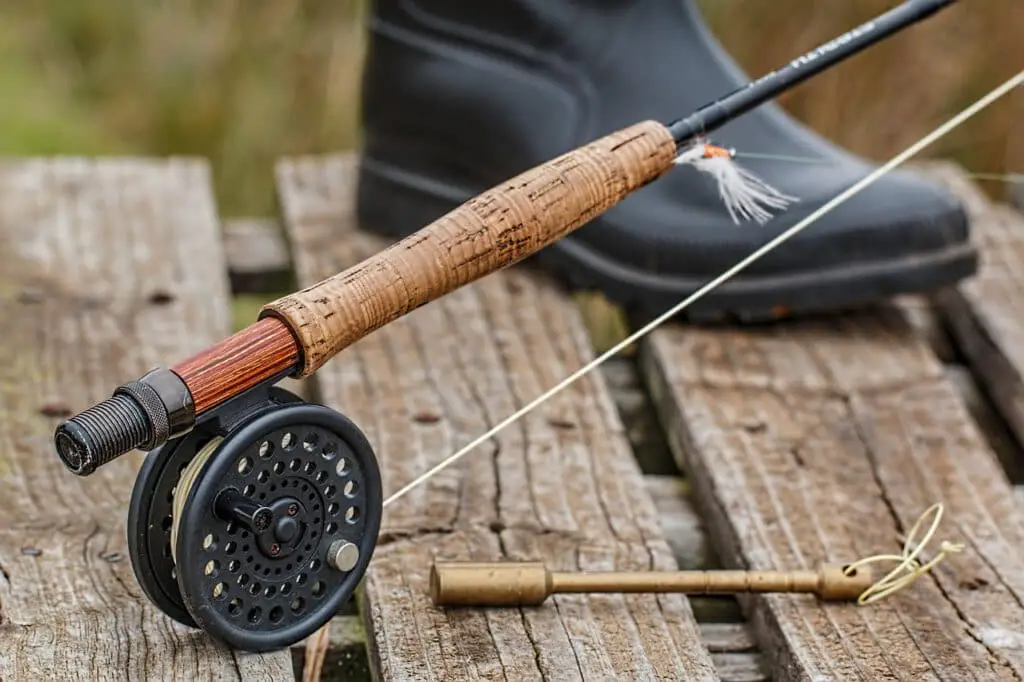
Fly fishing is a unique and rewarding angling technique that relies on the weight of the line, rather than the lure, to cast incredibly light flies. This requires a specific type of fishing rod: the fly rod. Understanding its components and characteristics is key to unlocking a successful and enjoyable experience on the water.
Understanding Fly Rod Weights: The Heart of Your Setup
One of the most crucial aspects of a fly rod is its “weight,” a numerical rating that indicates the rod’s power and the appropriate fly line it’s designed to cast. This rating directly correlates with the size of fish you’ll target and the conditions you’ll be fishing in.
Lightweight Rods (1-3 weight): Perfect for small streams and delicate presentations. These are ideal for panfish, small brook trout, and ultra-light action.
Medium-Weight Rods (4-6 weight): The most versatile choice for many anglers. A 5-weight rod is often recommended as the best fly rod for trout and general freshwater fishing like smallmouth bass. A 6-weight offers a bit more power for slightly larger trout or windy conditions.
Heavyweight Rods (7-10+ weight): Designed for bigger challenges. Use these for landing powerful fish like salmon, steelhead, pike, or for tackling saltwater species such as redfish, bonefish, or even tuna.
Fly Rod Lengths: Finding Your Optimal Reach
Fly rods typically range from 6 to 10 feet in length, with 9 feet being the most common standard. The length influences casting distance, accuracy, and line control. Shorter rods (6-8 feet) are excellent for tight, brushy streams where precision and maneuverability are paramount. Longer rods (9-10 feet) provide greater casting distance, better line mending capabilities, and increased leverage when fighting larger fish.
Choosing Your First Fly Fishing Rod: A Beginner’s Checklist
For newcomers to the sport, selecting your first fly fishing rod can feel daunting. However, focusing on a few key factors will help you make an informed decision and ensure a positive introduction to fly fishing.
Consider Your Target Fish: If you’re primarily interested in trout fishing in average-sized rivers, a 5-weight or 6-weight fly rod is an excellent starting point.
Where Will You Fish? Local freshwater rivers and lakes are generally best for beginners. A medium-weight rod is suitable for these environments.
Your Budget: You don’t need to break the bank for a quality starter fly fishing setup. Many reputable brands offer excellent entry-level combos that include a rod, reel, and line.
Most experts recommend a 9-foot, 5-weight fly rod as the ultimate all-around choice for beginners, especially if trout or small bass are your primary quarry. This combination offers versatility and a forgiving learning curve.
Beyond the Rod: Essential Fly Fishing Equipment
While the fly rod is central, it’s just one piece of the fly fishing puzzle. A complete setup requires a few other crucial components that work in harmony to deliver your fly effectively.
The Fly Reel: Balancing Your Setup
Unlike conventional fishing reels that aid in casting, a fly reel’s primary function is to store your fly line and provide drag when fighting a fish. It needs to be properly balanced with your fly rod’s weight to ensure comfortable casting. Always match your reel’s weight rating to your rod’s weight for optimal performance.
Fly Lines: Your Connection to the Fish
The fly line is what gives your fly rod its casting power. It’s much thicker and heavier than standard fishing line, designed to carry the light fly to its target. Choosing the right fly line for the job is arguably the most important decision after selecting your rod.
Weight Forward (WF) Lines: The most popular choice for beginners, featuring a heavier front taper that aids in casting distance and turning over larger flies.
Floating Lines (F): Designed to stay on the water’s surface, perfect for dry fly fishing and shallow presentations.
Sink-Tip Lines (ST): Feature a floating main line with a sinking section at the end, allowing your fly to get deeper while maintaining good line control.
Full Sinking Lines (S): These lines sink completely, ideal for deep nymphing or presenting streamers in strong currents and deep waters. Beginners are often advised to start with floating lines due to their easier casting.
Leaders and Tippets: The Invisible Link
A leader is a tapered, clear line that connects your fly line to your fly. It gradually reduces in diameter, making the connection less visible to fish. A tippet is a thinner section of line tied to the end of the leader, to which the fly is attached. It allows for quick fly changes without shortening your main leader.
Flies: The Angler’s Art
Flies are artificial imitations of insects or baitfish, meticulously crafted to deceive fish. They come in countless patterns and styles, broadly categorized as dry flies (float on the surface), nymphs (mimic underwater insect larvae), and streamers (imitate baitfish or leeches). Learning to identify local insect hatches is a fascinating part of the fly fishing journey.
Mastering the Cast: Is Fly Fishing Hard to Learn?
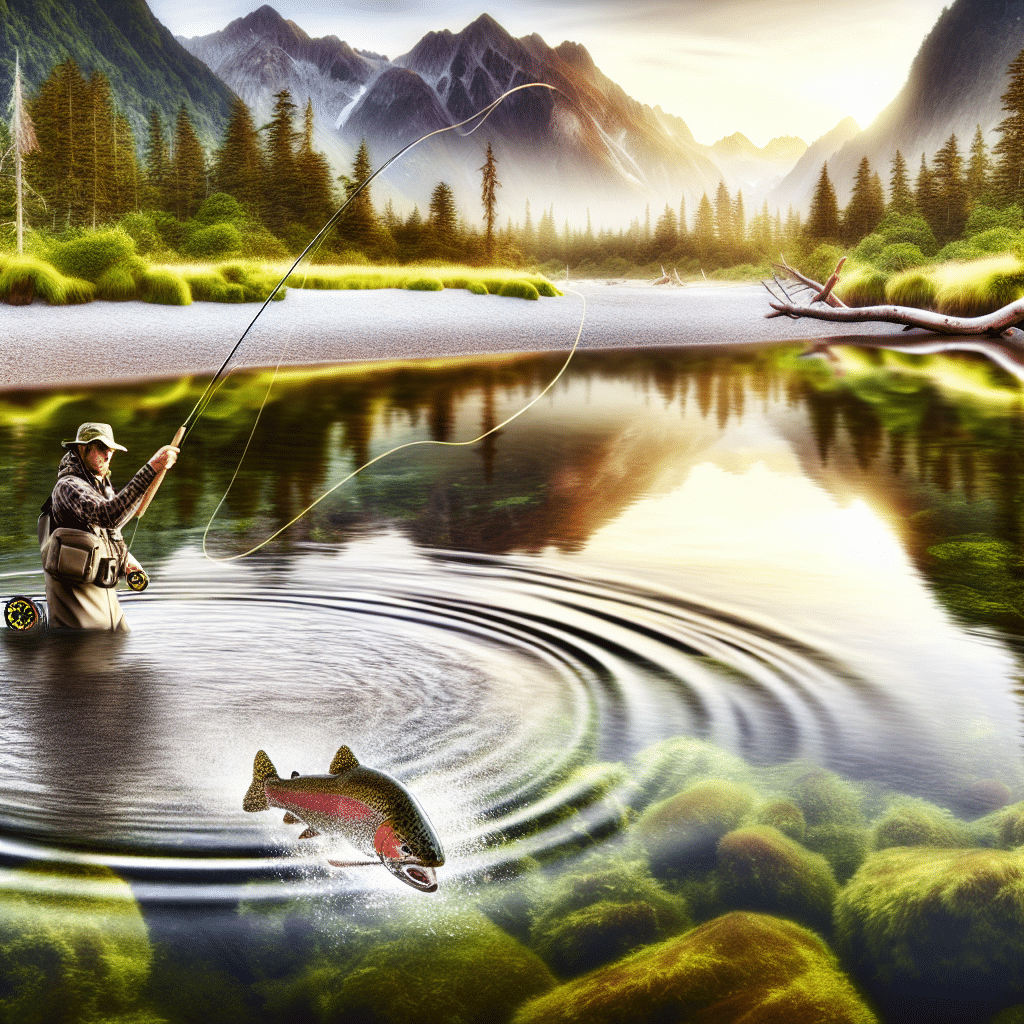
While fly fishing might appear complex, it’s a skill that’s entirely achievable with patience and practice. The learning curve is part of the appeal, and the feeling of executing a perfect cast is incredibly rewarding.
Start Simple: Focus on mastering fundamental casts like the basic overhead cast and the roll cast. The roll cast is especially useful when you have limited back-casting room.
Seek Instruction: Countless resources exist to help you learn. Instructional books, DVDs, and online videos are great starting points. Consider taking a beginner’s clinic or hiring a local guide for personalized instruction.
Practice Makes Perfect: Consistent practice, even in your backyard, will build muscle memory and confidence. The more time you spend casting, the more natural it will become.
Where to Buy Fly Fishing Rods and Equipment
When you’re ready to purchase your own fly fishing gear, you have several excellent options. Online retailers like Cabela’s and Bass Pro Shops offer a vast selection of fly fishing rods, reels, lines, and accessories, often with competitive pricing. Local fly shops are invaluable resources, providing expert advice, allowing you to try out different rods, and offering insights into local fishing conditions.
For those on a tighter budget or looking for specific items, platforms like eBay can be a treasure trove for finding used or discounted fly fishing equipment. Just remember to research sellers and product condition carefully.
How Much Does Fly Fishing Equipment Cost?
The cost of fly fishing equipment can vary widely. A basic, high-quality starter combo (rod, reel, line) can range from $150 to $300. As you gain experience, you might invest in more specialized or premium gear, which can cost upwards of $500 to over $1000 for a top-tier rod and reel setup.
However, you don’t need the most expensive gear to enjoy the sport. Focus on quality entry-level items that are appropriate for your target species and fishing environment. Many excellent brands offer durable and effective options at accessible price points.
Fly Fishing Gifts: Ideas for Every Angler
Looking for the perfect gift for a fly fishing enthusiast, or someone you want to introduce to the sport? Here are some ideas:
A high-quality 5-weight **fly rod** for beginners, or an upgrade for an experienced angler.
A complete starter kit including **rod**, **reel**, and **line** – a fantastic way to introduce someone to fly fishing.
Books or DVDs on **fly tying** techniques, or a guide to local **fly fishing** spots.
Gift certificates for local **fly fishing** shops, guided trips, or casting lessons.
Specialized **fly fishing apparel** like waders, vests, or waterproof jackets.
Unique accessories like a handcrafted fly box or a subscription to a fly fishing magazine.
Conclusion: Your Fly Fishing Journey Awaits!
Fly fishing is more than just catching fish; it’s about connecting with nature, mastering a skill, and enjoying the tranquility of the outdoors. With the right fly fishing rod and a little dedication, you’ll be well on your way to experiencing the magic of this timeless pursuit. Don’t be afraid to start simple, seek advice, and most importantly, enjoy every cast!