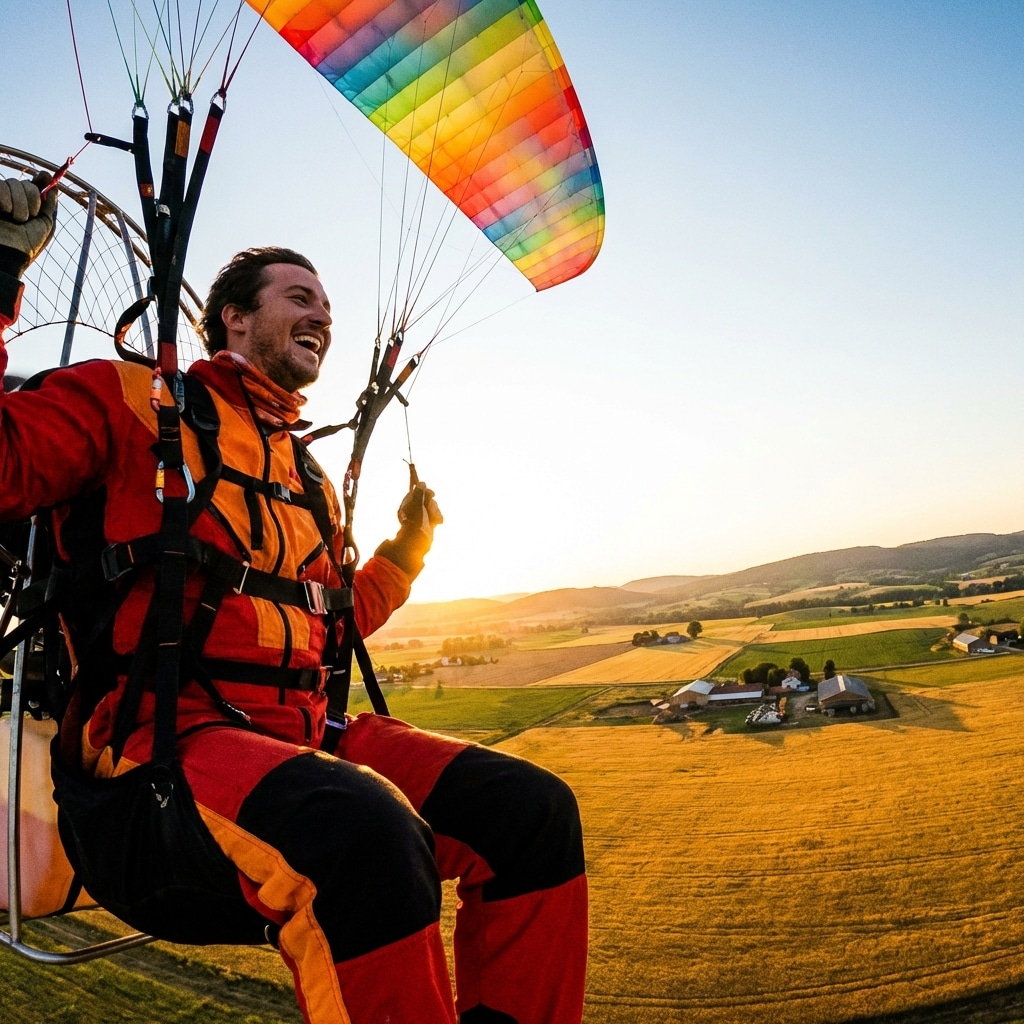
Imagine soaring silently above the landscape, the world spread out beneath you, the wind in your face. For many, the dream of personal flight seems out of reach – but what if it wasn’t? Paramotoring offers an exhilarating and incredibly accessible way to experience true aerial freedom.
This comprehensive guide will take you through everything you need to know about getting into paramotoring, from understanding the basics to finding the right training and equipment. Get ready to discover a thrilling new perspective on the world.
What Exactly is Paramotoring?
At its core, paramotoring combines the simplicity of a paraglider wing with the powerful thrust of a small, backpack-mounted engine. This innovative system allows pilots to launch from flat ground, climb to incredible altitudes (though most recreational flights are lower), and cruise for miles with breathtaking panoramic views.
Unlike traditional aircraft, a paramotor offers unparalleled portability and ease of setup. The engine provides the propulsion, while the wing generates lift, giving you complete control over your direction and altitude with a handheld throttle and steering toggles. It’s truly flying by the seat of your pants!
Why Choose Paramotoring? The Unbeatable Benefits
Paramotoring is more than just a sport; it’s a lifestyle that offers unique advantages compared to other forms of aviation.
Unparalleled Freedom and Views
Paramotoring grants you a sense of freedom unmatched by many other activities. You can launch from almost any open field, explore local landscapes from a bird’s-eye view, and experience stunning sunsets from a completely new perspective, often at very low altitudes for an intimate experience of the terrain.
Accessible and Cost-Effective
Compared to other forms of aviation like general aviation planes or helicopters, paramotoring is significantly more accessible. The initial investment for training and equipment is considerably lower, and operating costs are minimal, as the engines use only a small amount of regular gasoline.
Environmentally Conscious Adventure
While paramotors use fuel, their small, efficient engines produce relatively fewer emissions compared to many larger powered aircraft. This makes them a more eco-conscious choice for those seeking powered flight adventures while minimizing their carbon footprint.
Essential Skills and Mindset for a Paramotor Pilot
Mastering paramotoring involves a blend of physical dexterity, mental sharpness, and theoretical knowledge. While exhilarating, it’s a sport that demands respect and proper preparation.
Physical Dexterity: The ability to run during launch and landing, manage the wing overhead, and withstand the physical demands of flight.
Weather Knowledge: A deep understanding of wind conditions, thermal activity, and how different weather patterns impact flight safety.
Airspace Regulations: Knowing local and national rules for powered flight to ensure safe and legal operations.
Aircraft Control: Proficiency in launching, landing, turning, and handling various flight scenarios, including unexpected turbulence.
Situational Awareness: Constantly monitoring your surroundings, engine performance, wing behavior, and potential hazards.
Mental Stamina: Remaining calm under pressure, making quick decisions, and maintaining focus throughout your flight.
Your Path to Becoming a Paramotor Pilot: Training & Certification
Embarking on your paramotoring journey begins with comprehensive, professional training. This is not a sport to self-teach; expert instruction is paramount for your safety and skill development.
Find a Certified Instructor/School: Seek out instructors certified by recognized organizations like the USPPA (United States Powered Paragliding Association) or similar bodies in your region. Certification ensures adherence to safety standards and proven teaching methods.
Ground School: You’ll start with theoretical knowledge, covering aerodynamics, meteorology, airspace rules, flight planning, and essential emergency procedures.
Ground Handling (Kiting): This crucial phase teaches you to control the paraglider wing on the ground, essential for safe launches and landings. You’ll spend many hours learning to ‘kite’ the wing in varying wind conditions, developing muscle memory and confidence.
First Flights: Under strict instructor supervision, you’ll progress to short, low-altitude flights, gradually gaining confidence and control in the air. These flights are often done in calm conditions, often with radio guidance.
Solo Endorsement & Advanced Training: Once deemed proficient, you’ll receive an endorsement to fly solo, often followed by further training to refine your skills, learn advanced maneuvers, and understand different flight conditions.
Choosing the Right Instructor and School
Selecting the right instructor is critical for a safe and successful introduction to paramotoring. Seek out schools with a strong safety record, a comprehensive curriculum, and experienced, patient teachers. Don’t hesitate to ask about their certifications, student-to-instructor ratios, and the condition of their training equipment.
Gearing Up: Essential Paramotoring Equipment
Investing in the right equipment is a significant step. Your instructor will guide you through specific choices, but here’s a general overview of what you’ll need to get started in this thrilling sport:
Paramotor Unit: The heart of your setup – this includes the engine, frame, and propeller that you wear like a backpack. Various brands and power outputs exist, chosen based on pilot weight, local altitude, and intended use.
Paraglider Wing: Specifically designed for powered flight, wings are available in different sizes and performance categories. Beginners typically start with larger, more stable ‘school’ wings that are forgiving and easy to launch.
Harness: Integrated with the paramotor frame, designed for comfort, safety, and precise control connections to the wing.
Helmet: Crucial for head protection, often with integrated communication systems to talk to your instructor or other pilots.
Reserve Parachute: A life-saving backup deployed in critical situations. While optional in some regions, it’s highly recommended for all pilots.
Communication Device: A two-way radio is essential for communicating with your instructor, fellow pilots, or ground crew.
GPS/Navigation Tools: For flight planning, tracking your progress, and emergency location.
Safety Accessories: This includes durable gloves, sturdy boots, a comfortable flying suit, and potentially a life jacket if you plan on flying over water.
Where Can You Fly Your Paramotor? Rules and Regulations
Once you have the necessary skills and equipment, finding safe and legal flying sites is essential. Paramotoring thrives in wide, open spaces, but awareness of airspace rules is critical for responsible flight.
Most paramotor flights occur in Class G (uncontrolled) airspace, away from airports and crowded areas. Always consult current aviation charts (like sectional charts in the U.S.) and local flying club resources to identify suitable launch sites and avoid restricted zones, military airspace, or temporary flight restrictions (TFRs). Respect for landowners, wildlife, and the environment is paramount for the sport’s continued accessibility and positive public perception.
Is Paramotoring Right for You?
Paramotoring truly opens up the skies, transforming the dream of flight into an achievable reality. The unique blend of adventure, freedom, and stunning vistas makes it an unforgettable experience for anyone willing to learn and commit to safety.
If the idea of strapping on an engine and soaring like a bird excites you, professional training is your first and most important step. Embrace the challenge, prioritize safety, and soon you could be experiencing the world from a breathtaking new perspective – the ultimate paramotor pilot!