Ever dreamt of soaring like a bird, leaving the everyday behind? The sky calls to us, offering unparalleled freedom and breathtaking vistas. For adventure seekers, hang gliding and paragliding are two of the most popular ways to answer that call, letting you defy gravity and dance with the wind.
But if you’re looking to take flight, which one is right for you? Let’s cut through the confusion and explore the distinct worlds of hang gliding and paragliding, helping you decide which aerial adventure perfectly suits your spirit.
Hang Gliding vs. Paragliding: Your Ultimate Sky Sport Showdown
While both sports allow you to experience the thrill of human flight, they offer vastly different experiences rooted in their design, training, and overall feel. Understanding these core distinctions is crucial for choosing your path to the clouds.
The Gear: Wings of Different Feathers
**Hang Gliders** feature a rigid aluminum frame covered with a durable fabric sail, forming a distinctive delta-wing shape. Pilots lie prone in a streamlined harness, offering a bird-like perspective and precise control.
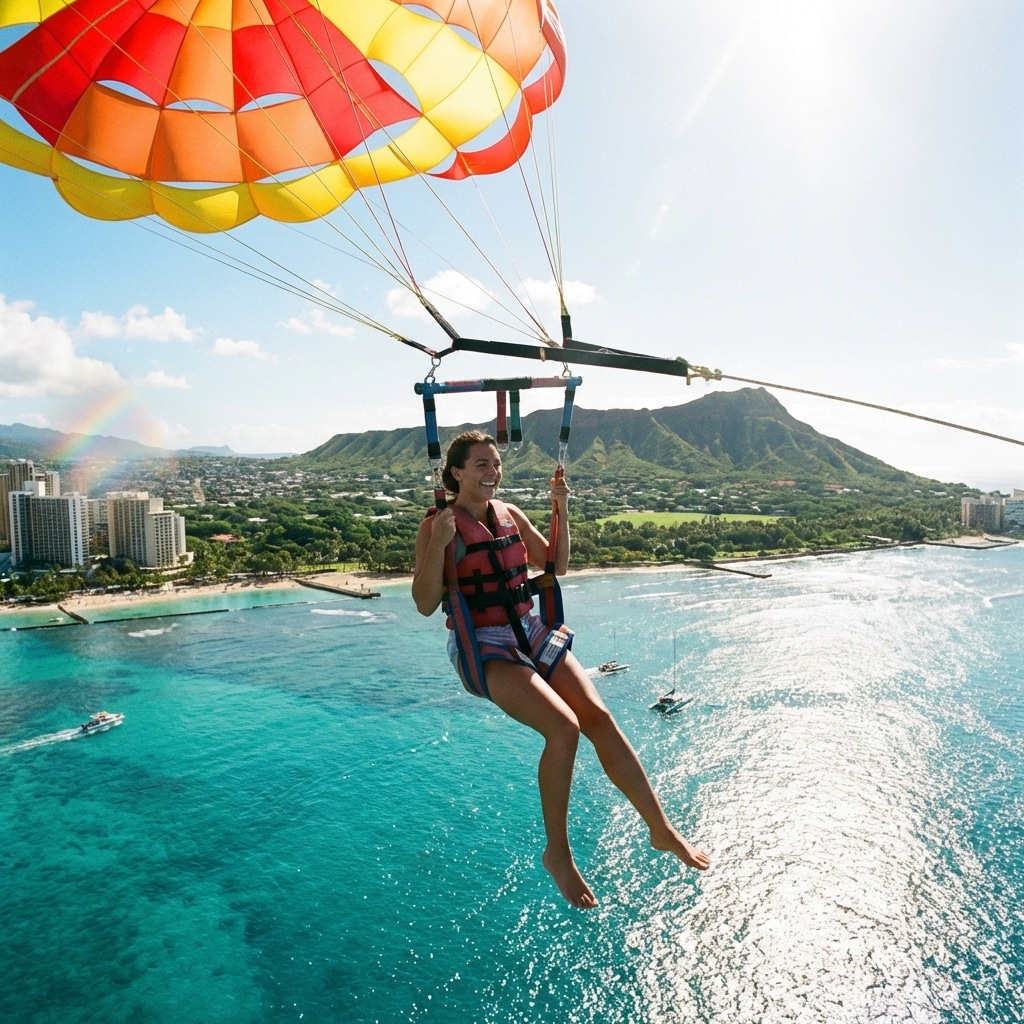
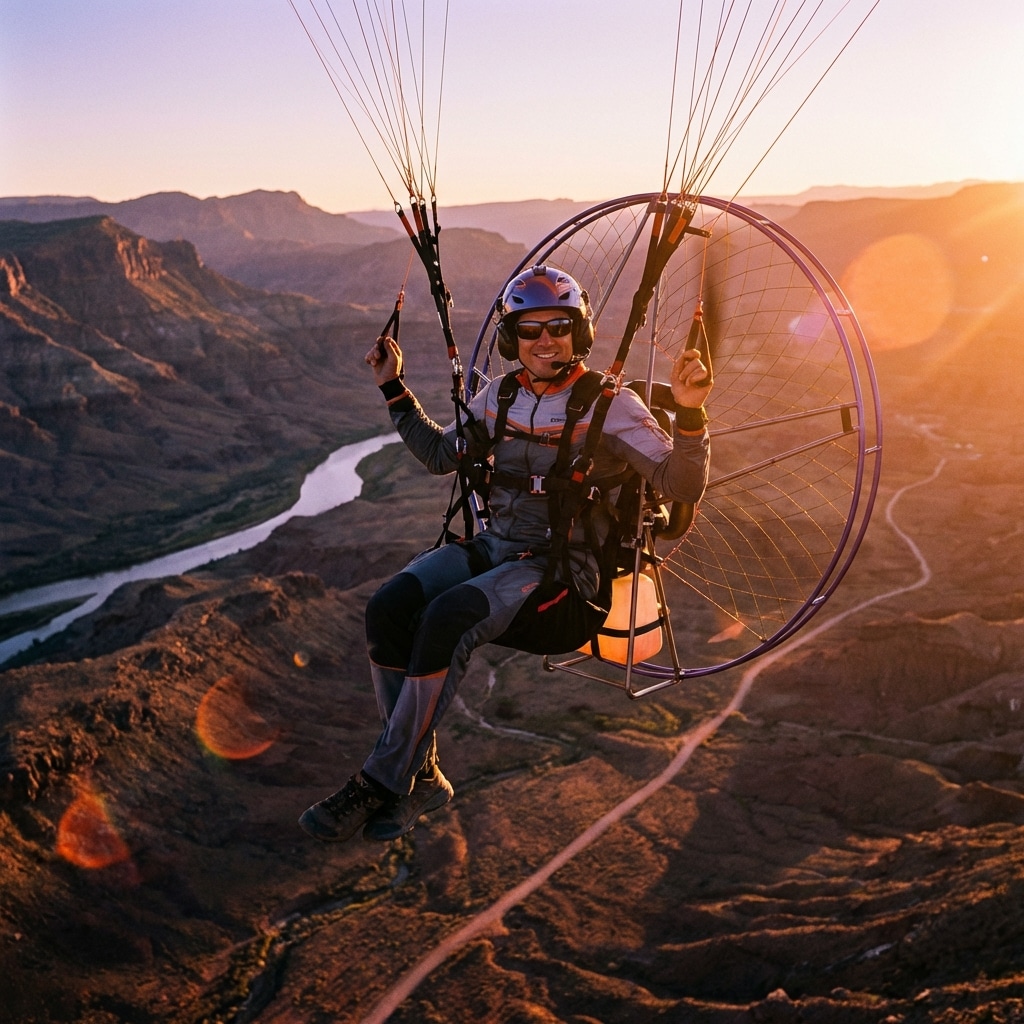
In contrast, **Paragliders** utilize a soft, elliptical fabric wing (resembling a high-performance parachute) that inflates with air pressure during launch. Pilots sit comfortably upright in a harness, enjoying a more relaxed, chair-like position.
Learning the Ropes: Training & Skill Levels
**Hang gliding** demands more extensive training, physical strength, and coordination. Takeoffs and landings require precise body movements to control the rigid wing, leading to a longer certification process.
**Paragliding**, on the other hand, boasts a quicker learning curve and is generally less physically demanding. Its simpler ground handling and launching techniques make it more accessible for many beginners eager to get airborne faster.
The Flight Experience: Speed vs. Serenity
If speed and dynamic maneuvers are your thrill, **hang gliding** delivers. These rigid-wing crafts can reach exhilarating speeds of up to 100 km/h, allowing for rapid descents, steep dives, and acrobatic turns that get the adrenaline pumping.
**Paragliding** offers a more serene and peaceful journey. Flying at slower speeds, typically around 30-50 km/h, it allows for longer, gentler thermal soaring and more time to absorb the panoramic views and quiet solitude of the sky.
Portability & Setup: On the Go
**Hang gliders** are larger and more complex to assemble, often requiring a dedicated vehicle for transport and a significant setup time at the launch site.
**Paragliders** are incredibly portable, folding down into a backpack-sized bag. This allows for easy transport, often enabling pilots to hike into remote, breathtaking launch sites for spontaneous adventures.
Launch & Landing: Getting Airborne and Back Down
**Hang gliders** typically launch from high terrain by running down a slope or are aerotowed (pulled aloft by an ultralight aircraft). Landings are precise and require flaring the wing just before touchdown.
**Paragliders** are generally foot-launched from gentle slopes, inflating the wing overhead before a short run. Landings are softer and more forgiving, often akin to gently stepping off a curb.
Hang Gliding: Mastering the Art of Aerial Dynamics
For those who crave raw speed and unparalleled control, hang gliding is the ultimate aerial sport. The rigid wing provides pilots with responsive feedback, enabling precise turns, dives, and climbs with a direct connection to the air currents.
It’s a truly immersive flying experience where you feel intimately connected to the wind, pushing the limits of speed and agility. Experienced hang gliders perform breathtaking maneuvers, making it a favorite for those seeking an intense adrenaline surge and the feeling of truly “flying” with outstretched wings.
Paragliding: Embrace the Gentle Art of Soaring
Imagine floating effortlessly, carried by unseen currents, with nothing but the quiet whisper of the wind. Paragliding offers this profound sense of peace and freedom, a chance to simply “be” in the air.
It’s about extended, tranquil flights, often lasting hours, as you gently ride thermals higher and higher. The slower pace allows for contemplative moments, making it ideal for nature lovers and those who seek a meditative escape high above the world, absorbing panoramic views at a leisurely pace.
Safety in the Skies: Mitigating Risks
Both hang gliding and paragliding are adventure sports with inherent risks. However, significant advancements in equipment design, rigorous training protocols, and a strong emphasis on weather awareness have made both activities considerably safer over the years.
While paragliding is often *perceived* as safer due to its slower speeds and less rigid equipment, which can be more forgiving in certain situations, safety in both sports fundamentally hinges on a few critical factors:
Proper Certification: Always learn from accredited instructors and certified schools.
Quality Equipment: Use well-maintained, regularly inspected, and certified gear.
Weather Awareness: Respect wind conditions, forecasts, and always err on the side of caution.
Pilot Judgement: Making conservative and informed decisions about when and where to fly is paramount.
Neither sport should be undertaken lightly. With the right approach to training and a healthy respect for the elements, both offer incredible, awe-inspiring experiences without undue risk.
Which Sky Sport is Right for Your Adventure?
Paragliding often edges out hang gliding in popularity, primarily due to its perceived accessibility, easier learning curve, and lower initial physical demands. Its superior portability also allows for more spontaneous adventures and exploring diverse launch sites.
However, for those captivated by the sheer speed, dynamic control, and the iconic delta-wing silhouette, hang gliding holds an irresistible appeal. It’s a pursuit for those who want to feel every nuance of the air and push their aerial prowess.
Consider these questions to help make your choice:
What’s your thrill threshold? Do you crave high speed, G-forces, and acrobatic potential, or a more serene, extended float?
What’s your physical fitness level? Are you ready for the potentially more strenuous demands of hang gliding, especially during launch and landing?
How much time are you willing to commit to training and practice?
What kind of community and access to launch sites do you envision?
Whether you choose the exhilarating rush of hang gliding or the tranquil ascent of paragliding, you’re signing up for an unforgettable journey. Both sports offer a unique connection to the elements, a fresh perspective on the world below, and a profound sense of accomplishment. The sky awaits your adventure – which wings will you choose to spread?