Wild hogs, also known as feral swine or wild boars, are an ever-growing challenge across much of the Southern United States. These intelligent and destructive animals wreak havoc on crops, property, and native ecosystems, making hog hunting not just a thrilling pursuit but often a necessary form of population control. For both seasoned hunters and newcomers, the pursuit of these elusive creatures offers an exciting blend of strategy, skill, and the promise of some excellent table fare.

Whether you’re drawn to the adrenaline rush, the quest for organic meat, or simply want to contribute to environmental conservation, understanding the nuances of hog hunting is crucial. From the best locations and essential gear to effective techniques and legal considerations, this comprehensive guide will equip you with the knowledge needed for a successful and responsible hog hunt.
Why Hog Hunting is More Than Just a Sport
The popularity of hog hunting has surged in recent years, fueled by media attention and a growing appreciation for sustainable meat sources. Beyond the recreational thrill, wild hog hunting plays a vital role in managing invasive populations. Feral hogs reproduce rapidly and cause billions of dollars in damage annually to agriculture and natural habitats.
Hunters often participate for a variety of reasons:
- **Recreation and Challenge:** Hogs are intelligent, resilient, and possess keen senses, making them a challenging quarry.
- **Food Source:** Wild hog meat is lean, delicious, and a highly sought-after prize.
- **Ecological Stewardship:** By reducing hog numbers, hunters help protect native wildlife, crops, and land from extensive damage.
Top Destinations for Wild Hog Hunting
While feral hogs can be found in many states, some regions are particularly renowned for their abundant populations and excellent hunting opportunities. Knowing where to go significantly increases your chances of success.
Texas: The Feral Hog Capital
Texas boasts the largest wild hog population in the U.S., with estimates in the millions. This makes it a prime destination for hunters. Many ranches and outfitters offer guided hunts, and regulations are generally permissive due to the animal’s pest status.
Florida: Swamps, Forests, and Hogs
Historically a top spot, Florida still offers fantastic hog hunting, particularly in its dense swamps and forests. While some hunters report them being harder to find in certain areas, ample opportunities remain, especially on private lands and wildlife management areas.
Alabama & Oklahoma: Southern Havens
Alabama is a favorite among hunters for its diverse terrain, including abundant trees and swamps that provide ideal hog habitats. Oklahoma also offers extensive hog hunting, with many landowners eager to have hunters help control populations.
Essential Gear for a Successful Hog Hunt
Proper preparation and the right equipment are paramount for any hog hunting expedition. From your choice of weapon to personal safety items, here’s what you’ll need.
Weaponry and Ammunition
Hogs are tough animals, requiring reliable stopping power. While tactical accuracy is key, you also need sufficient energy to dispatch them humanely.
- **Rifles:** Popular calibers include .30-06, .308, 6.5 Creedmoor, and .223/5.56 (for headshots or with heavier bullets). A reliable rifle with a scope is a top choice.
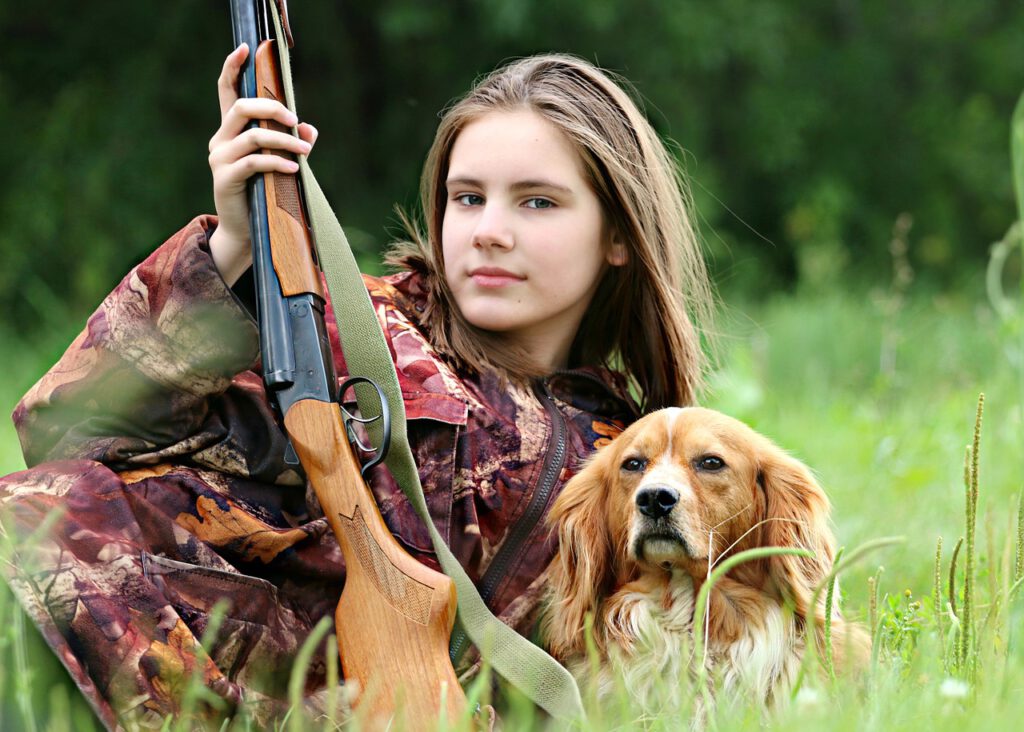
- **Shotguns:** A powerful 12-gauge shotgun loaded with slugs is highly effective for close-range encounters. While buckshot can be used, slugs offer superior penetration and are generally recommended for larger hogs to ensure a clean kill and minimize meat damage.
- **Archery/Crossbows:** For a more primal challenge, bows and crossbows require precision and close stalking.
- **Spears/Knives:** Used primarily in conjunction with dogs, this method is highly specialized and requires significant experience and bravery.
Personal Gear & Clothing
Your comfort and ability to blend in are crucial, especially when stalking wary hogs.
- **Camouflage:** Essential for blending into the environment and avoiding detection.
- **Blaze Orange:** In many states, blaze orange is required for safety during hunting season to make you visible to other hunters. Always check local regulations.
- **Durable Footwear:** Waterproof boots are a must, especially in swampy or dense terrain.
- **Navigation:** GPS device or compass, and maps of your hunting area.
- **Lighting:** Headlamp or flashlight for night hunts, with extra batteries.
- **Hydration & Nutrition:** Ample water and high-energy snacks.
- **First Aid Kit:** Always carry a well-stocked first aid kit and know how to use it.
Optics & Accessories
- **Binoculars:** For spotting hogs from a distance.
- **Hunting Knife:** Essential for field dressing.
- **Game Bags/Cooler:** For preserving meat after the kill.
- **Thermal or Night Vision:** Highly effective for night hunting, when hogs are most active.
Optimal Timing and Locations for Hog Hunting
Hogs are crepuscular and nocturnal animals, meaning they are most active during dawn, dusk, and throughout the night. Planning your hunt around these times significantly boosts your success rate.
- **Early Morning & Dusk:** Hogs are often on the move during these cooler periods, foraging for food.
- **Night Hunting:** Many successful hog hunts occur at night. Thermal optics or night vision can be a game-changer.
- **Winter Months:** In southern states, hogs are more likely to roam during daylight hours in winter, making daytime hunts more viable.
- **Water Sources:** Hogs often bed down near water. Hunting along creek beds, river bottoms, or near ponds can be highly productive, especially when planning around tides if hunting coastal areas.
Effective Hog Hunting Methods and Strategies
Various techniques can be employed, each offering a unique experience and level of challenge.
Still Hunting / Stalking
This involves moving slowly and quietly through known hog habitats, such as dense woods, swamps, or areas with fresh sign (rooting, tracks). Stealth is paramount, as hogs have excellent hearing and a powerful sense of smell.
Hunting with Dogs
A traditional and highly effective method, dog hunting involves specially trained hounds tracking and baying (holding) hogs in place until the hunter arrives. Breeds like Bloodhounds (for scent tracking), Blue Tick Coonhounds, and Beagles (for smaller brush) are popular choices.
Using dogs requires significant investment in training and care, and there’s always a risk of injury to your canine companions during the hunt.
Stand Hunting / Ambush
Setting up in a tree stand or ground blind near known feeding areas, water sources, or travel corridors can be effective, particularly with baiting (where legal).
Specialized Methods
- **Hunting from a Boat:** Following waterways can be a quiet and effective way to access remote areas where hogs frequent.
- **ATVs/Horseback:** Can cover more ground but may spook wary hogs.
- **Helicopter Hunts:** Offered by some ranches, these are expensive but highly effective for culling large numbers of hogs, often costing $1,500 to $5,000 per hunt.
Legal and Regulatory Aspects of Hog Hunting
Regulations vary significantly by state and even by county. Always check with your state’s wildlife agency before your hunt.
- **Hunting Licenses:** Most states require a valid hunting license, even for nuisance animals like hogs.
- **Seasons & Limits:** While some states have year-round hog hunting due to their invasive status, others may have specific seasons or bag limits. Free permits for private land control are also common.
- **Hunter Safety:** A hunter safety course is typically required for all hunting activities.
- **Penalties:** Violating hog hunting rules can lead to severe fines and even jail time.
- **Private Property:** Always obtain permission before hunting on private land. Some landowners welcome hunters to help control hog populations without charging a fee.
The Cost and Economic Side of Hog Hunting
Hog hunting can range from an inexpensive endeavor to a significant investment, depending on your approach.
- **Basic Costs:** License fees, ammunition, fuel, and basic gear are standard expenses.
- **Dog Hunting:** If you use dogs, costs include purchasing, training, feeding, and potential veterinary bills. It’s not uncommon for these expenses to push individual hunt costs over $1,000.
- **Guided Hunts:** Expect to pay several hundred to several thousand dollars for guided trips, especially for specialized hunts like those from helicopters.
- **Making Money:** Some hunters can profit by culling hogs on their own land and selling the meat. Experienced hog trappers and removal services can earn over $2,000 per day.
Hog Hunting Safety: Prioritizing Your Well-being
Safety should always be your top priority when in the field, especially when dealing with potentially dangerous animals and unfamiliar terrain.
- **First Aid:** Carry a comprehensive first aid kit and know how to use it.
- **Inform Others:** Always let someone know where you are hunting and your expected return time.
- **Awareness:** Stay alert and aware of your surroundings. Move slowly and deliberately.
- **Shot Placement:** Aim for vital areas like the eyes, neck, or behind the ear for a quick, humane kill. Hogs are resilient and may charge if wounded.
- **Blaze Orange:** Wear blaze orange when required or recommended to ensure other hunters can easily spot you.
- **Dog Safety:** If hunting with dogs, keep them leashed when not actively tracking to prevent them from running off or encountering unexpected dangers.
Processing Your Harvest: From Field to Table
One of the great rewards of hog hunting is the delicious wild game meat. Proper field dressing and handling are essential for quality.
- **Field Dressing:** As soon as a hog is down, field dress it to cool the meat quickly.
- **Storage:** If not consuming immediately, freeze the meat as soon as possible.
- **Cooking:** Wild hog meat is versatile and can be used in a variety of dishes, from roasts to sausages.
The Broader Impact: Hogs and the Environment
The role of hog hunting in environmental management is a complex topic.
- **Damage Mitigation:** Many hunters argue that reducing hog populations through hunting directly benefits the environment by curbing their destructive rooting habits and impact on native species.
- **Limited Scientific Evidence:** Some state environmental agencies note that while hunting reduces local populations, it often doesn’t significantly curb the overall breeding capacity or widespread damage due across an entire region. Effective control usually requires a combination of hunting, trapping, and targeted removal efforts.
- **Population Dynamics:** Hogs reproduce rapidly, often compensating for hunting pressure. Eliminating them entirely is extremely challenging due to their adaptability and widespread distribution.
Conclusion: Embrace the Hunt Responsibly
Hog hunting offers a unique and engaging experience for hunters of all ages. It combines outdoor recreation with a tangible contribution to managing an invasive species. By understanding the best practices, adhering to regulations, prioritizing safety, and utilizing appropriate gear, you can enjoy a rewarding and successful wild hog hunting adventure. Embrace the challenge, enjoy the bounty, and contribute to the health of our natural landscapes.