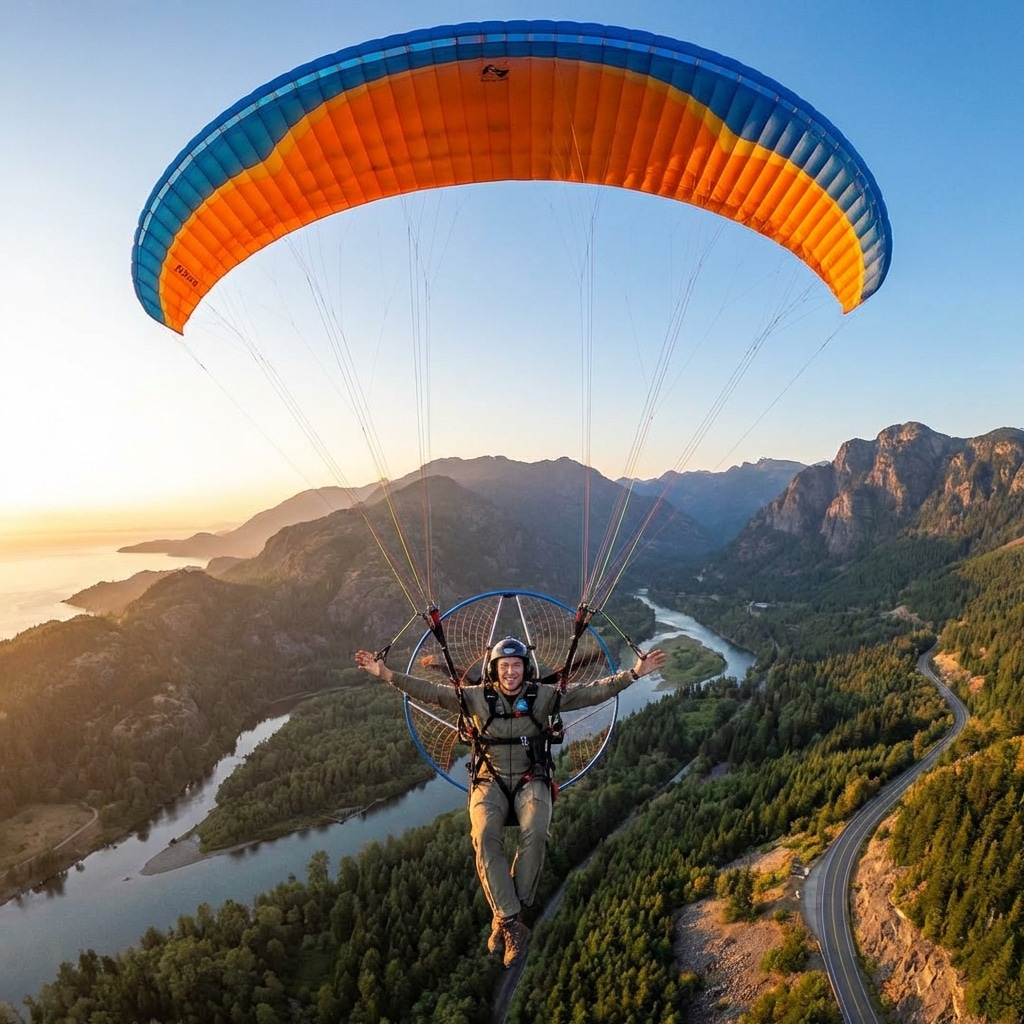
The sky calls to many, promising unparalleled freedom and breathtaking views. For adventure enthusiasts, paramotoring — the exhilarating blend of paragliding and powered flight — represents the ultimate aerial escape. Imagine effortlessly cruising above landscapes, experiencing the world from a truly unique perspective. This dream is incredibly enticing, but a common question often grounds aspiring pilots: “How much does it *really* cost to get into paramotoring?”
Embarking on your paramotoring journey is an investment, both in time and finances. This comprehensive guide will meticulously break down all the potential expenses, from your essential initial training to crucial gear, ongoing maintenance, and even the often-overlooked ancillary costs. By understanding the full financial picture, you can budget wisely and take to the skies with confidence.
Initial Training: Your First Essential Step to the Skies
Before you can experience the profound freedom of paramotoring, proper training is not just recommended—it’s absolutely essential. This foundational education ensures your safety, proficiency, and ultimately, your enjoyment of the sport. Skimping on training is a common mistake that can have severe consequences.
Why Professional Paramotoring Training is Non-Negotiable
A certified paramotoring training program covers everything from vital ground handling techniques to crucial emergency procedures and refined flight skills. You’ll learn how to control your wing on the ground, master safe takeoffs and landings, and navigate various weather conditions. Think of it as your pilot’s license for the open air.
Decoding Paramotoring Training Costs
The cost of paramotoring training can vary significantly based on your geographic location, the instructor’s reputation, and the depth of the course. Generally, you should anticipate an investment of approximately $1,500 to $3,000 for a comprehensive program. This fee typically includes extensive ground school sessions, hands-on flight instruction, and often the rental of equipment during your course.
Many reputable schools offer different package deals, sometimes with discounts for early booking or group enrollments. Always research instructors thoroughly, ensuring they are certified and have an excellent safety record. Quality instruction is paramount to a safe and enjoyable paramotoring career.
Essential Paramotoring Gear: Equipping Your Flight
Once training is complete, the next significant expense is your personal paramotoring equipment. This gear is your lifeline and your vehicle, so making informed choices is crucial. Investing in the right setup ensures both safety and optimal performance.
The Core Components: Paramotor and Wing
The Paramotor: This is the engine, propeller, frame, and harness assembly that powers your flight. New paramotors typically range from $5,000 to $10,000, influenced by brand, engine size, features (like electric start), and overall build quality. Lighter, more powerful units usually command a higher price.
The Wing (Canopy): Often referred to as a “parachute,” the wing is a highly engineered fabric canopy designed for lift and control. A new wing generally costs between $2,500 and $4,000. Your instructor will help you choose a wing appropriate for your weight, skill level, and intended flying conditions, as different designs offer varying levels of stability and performance.
While tempting, buying used gear can be risky without expert inspection, especially for your first setup. Always consult with your instructor or a highly experienced pilot before making any major gear purchases. They can help you find suitable equipment that matches your skill progression and budget.
Prioritizing Safety: Must-Have Equipment
Safety equipment is non-negotiable and represents an investment in your well-being. Never compromise on the quality of these items, as they are designed to protect you in unexpected situations.
Helmet: A dedicated flight helmet with communication capabilities (optional, but highly recommended) is vital. Expect to pay between $200 and $500 for a high-quality, comfortable helmet.
Reserve Parachute: This emergency backup system can be a lifesaver in the event of a wing malfunction or other in-flight emergencies. Costs for a reliable reserve parachute range from $600 to $1,200, plus the cost of proper packing and maintenance.
Protective Clothing: Layered, durable clothing is essential for comfort and protection against the elements and potential abrasions. Budget $200 to $400 for suitable jackets, gloves, boots, and potentially specialized flight suits.
Enhancing Your Experience: Optional Accessories
Beyond the essentials, several accessories can significantly enhance your paramotoring experience, offering greater comfort, navigation, and recording capabilities. These are not required to start but become invaluable over time.
Altimeter/Variometer: Essential for tracking altitude and vertical speed, ranging from $100 to $500.
GPS Device: For navigation, tracking flights, and marking landing zones, expect $150 to $600.
Communication System: Allows you to talk to other pilots or ground crew, costing $200 to $800.
Action Camera: To capture stunning aerial footage of your flights, budgets can range from $150 to $700+.
Wind Sock/Weather Station: Useful for assessing local conditions at your flying site, typically $50-$200.
These optional items can add anywhere from $100 to over $2,000 to your total initial investment. You can always add these gradually as your budget allows and your experience grows.
Maintenance and Ongoing Costs: What to Expect?
Like any vehicle or motorized equipment, a paramotor requires regular care to remain safe and efficient. Factoring in ongoing costs is crucial for a sustainable and enjoyable paramotoring hobby. These expenses are part of the long-term paramotoring investment.
Routine Maintenance: Keeping Your Paramotor Airworthy
Paramotors, especially the two-stroke engines commonly used, need consistent attention. This includes routine checks, oil changes, spark plug replacements, and general inspections of the frame, prop, and harness. Expect to allocate $100 to $300 annually for these basic tasks.
However, be prepared for potential larger expenses such as prop replacements (due to damage), engine rebuilds, or other component failures, which can easily run into several hundred dollars or more. Regular pre-flight checks and proper handling can minimize these occurrences.
Fueling Your Flights & Logistics
Fuel is a direct operational cost. Most paramotors run on a specific gasoline-oil mix, similar to chainsaws or dirt bikes. Depending on how frequently you fly and your engine’s consumption, you might spend $5 to $10 per flight hour on fuel. A dedicated weekend pilot could easily spend $50-$100 or more per month on fuel alone.
Beyond fuel, consider transportation costs. You’ll need to drive to suitable flying sites, which might be a short trip or a significant drive, adding fuel and vehicle wear-and-tear. Some pilots also invest in specialized trailers or roof racks for easier equipment transport.
Understanding Insurance and Regulations
While paramotoring offers immense freedom, it’s essential to understand the regulatory landscape and consider financial protections. These aspects contribute to both safety and peace of mind.
Paramotoring Insurance: Peace of Mind in the Sky
While not universally mandatory, securing paramotoring insurance is highly recommended. It provides financial protection against potential liabilities (e.g., property damage, injury to others) and can also cover damage to your expensive equipment. Annual premiums typically range from $200 to $700, depending on the coverage limits and your chosen provider.
Licensing and Community: Staying Connected and Compliant
One of paramotoring’s appeals is its relatively light regulatory burden in many regions; often, a formal pilot’s license isn’t required by national aviation authorities for recreational flights. However, local regulations or landowners may have specific requirements. Always check with your local aviation authority and flying community.
Joining local paramotoring clubs or national associations is highly beneficial, even if not legally required. These organizations offer access to designated flying sites, community support, mentorship, and often provide liability insurance as part of their membership benefits. Annual membership fees usually range from $50 to $200.
The Full Financial Picture: Budgeting for Your Paramotoring Adventure
Let’s consolidate the numbers to give you a clear estimate of the overall paramotoring cost. Remember, these are averages, and your exact expenses may vary based on your choices and location.
Yes, the initial investment to get into paramotoring is substantial, easily ranging from $10,000 to over $20,000, with ongoing annual costs to consider. However, for those who dream of unbridled flight and seek truly unique adventures, the experience often far outweighs the expense. Paramotoring offers a profound sense of freedom, unparalleled aerial perspectives, and access to a vibrant community of fellow pilots.
By budgeting meticulously, prioritizing quality training and gear, and seeking advice from seasoned pilots, you can embark on this incredible journey responsibly. Paramotoring isn’t just a hobby; it’s a lifestyle that promises a sky-high escape, creating memories and experiences that are, for many, simply priceless. So, weigh the costs, chase the dream, and prepare to discover the world from a whole new altitude.