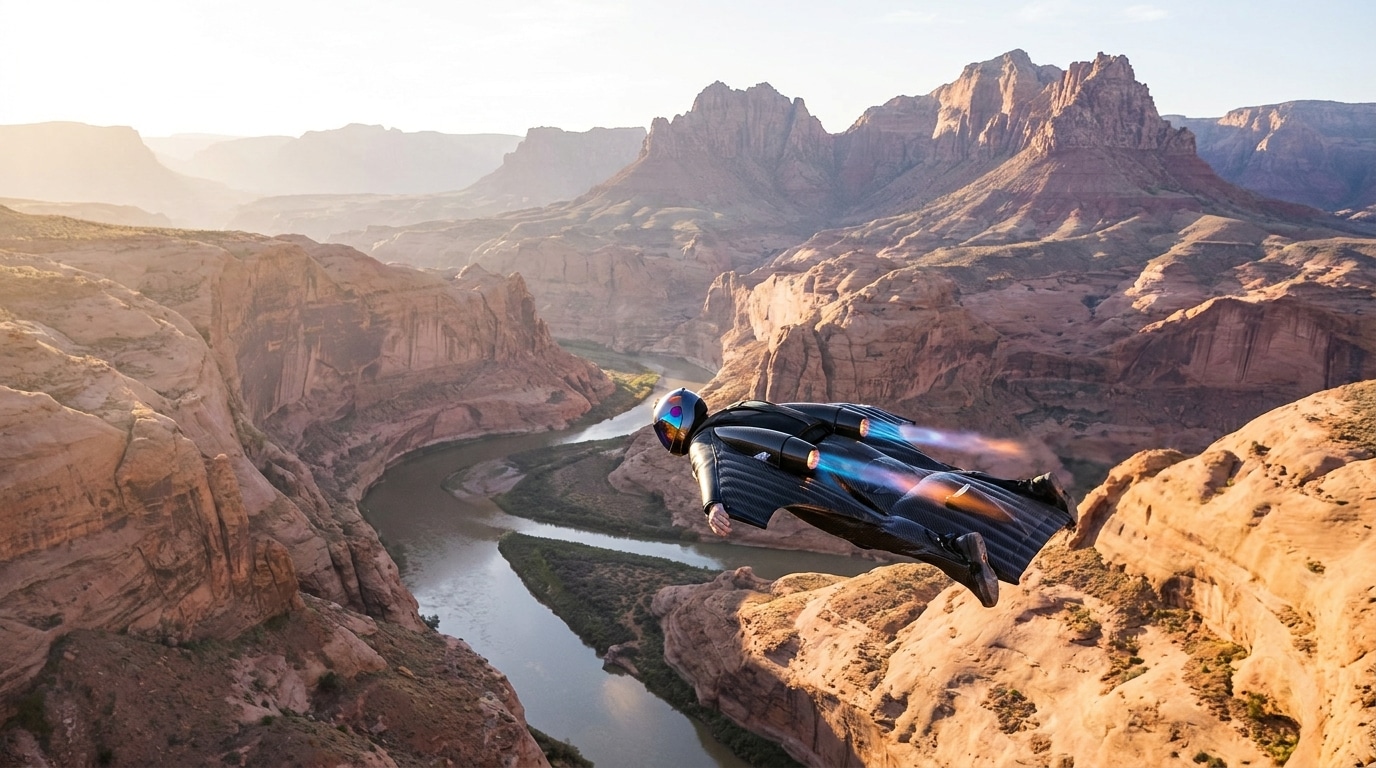
Dream of defying gravity and soaring through the sky like a bird? Wingsuit flying offers the ultimate experience of human flight, a breathtaking dance with the air that few ever get to feel. This exhilarating extreme sport promises unparalleled freedom and adrenaline.
However, such an extraordinary adventure comes with a significant financial commitment. Before you commit to leaping from a plane in a specially designed suit, it’s crucial to understand the costs involved. So, exactly how much does wingsuit flying cost? Let’s break down the investment required for this high-octane pursuit, from your first training jump to ongoing aerial escapades.
The Price of Human Flight: Initial Wingsuit Flying Expenses
Embarking on your wingsuit journey isn’t as simple as strapping on a suit and jumping. There are several foundational steps and substantial investments you’ll need to make upfront. These preliminary expenses cover essential training, crucial gear, and various certifications.
Phase 1: The Foundation – Skydiving Training & License Costs
Before you can even consider a wingsuit, you must become a highly proficient skydiver. This rigorous training pathway is divided into several stages, progressing from guided jumps to independent mastery.
Tandem Jumps: Your first taste of freefall is usually a tandem jump, securely attached to an instructor. Expect to pay between $200 and $300 per jump for this introductory experience.
Accelerated Freefall (AFF) Course: This comprehensive course teaches you solo skydiving techniques. It typically costs between $1,500 and $3,000, covering ground instruction, seven supervised jumps, and equipment rental.
Obtaining a Skydiving License: To legally and safely participate in wingsuit flying, you need a skydiving license (typically a USPA A-license or equivalent). This requires completing at least 200 jumps. At an average of $25 to $30 per jump ticket, this phase alone can accumulate to approximately $5,000 to $6,000.
Phase 2: Essential Gear – Your Flight Equipment
Once you’ve earned your skydiving license, it’s time to invest in your personal flight system. This is where significant costs for specialized wingsuit flying gear begin to add up. Owning your own equipment is vital for safety and progression.
Wingsuit: The centerpiece of your wingsuit flying kit, a new suit can range from $1,000 to $3,000. The price varies based on brand, performance design, and customization options.
Parachute System: A complete, personal parachute system is a critical investment. This includes a main canopy, a reserve canopy, and a container, costing anywhere from $2,000 to $5,000 for a quality setup.
Helmet, Altimeter, & Other Accessories: Essential safety and navigational gear like a specialized helmet, audible and visual altimeters, and other smaller accessories will add to your expenses. Budget an additional $600 to $1,200 for these crucial items.
Beyond the Initial Leap: Ongoing Wingsuit Flying Costs
The journey doesn’t end with your license and initial gear purchase. Wingsuit flying, like many extreme sports, involves recurring expenses that dedicated enthusiasts must budget for. These ongoing costs ensure safety, skill progression, and continued access to drop zones.
Keeping Your Wings in Top Shape: Maintenance & Inspections
Regular maintenance and stringent safety checks are non-negotiable for equipment that operates at high altitudes and speeds. This ensures the longevity of your gear and, more importantly, your safety.
Parachute Repacking: The reserve parachute, a critical safety component, must be inspected and repacked every 180 days by a certified rigger. This vital service typically costs roughly $50 to $100 per repacking.
Gear Inspection & Repairs: Periodic inspections of your wingsuit, harness, and canopies are necessary to identify wear and tear. Any necessary repairs can add between $200 and $500 annually to your budget.
The Sky’s the Limit: Per-Jump Fees & Memberships
Each time you want to take flight, you’ll incur jump fees at your chosen drop zone. These costs can vary based on location, facilities, and the type of aircraft used.
Individual Jump Fees: On average, each wingsuit jump costs between $25 and $40. Frequent jumpers will see these costs accumulate quickly over a season.
Drop Zone Membership Fees: Many facilities require an annual membership to access their services. These fees typically range from $30 to $100 annually.
Weekend or Annual Packages: For dedicated flyers, discounted jump packages can provide savings. A weekend pass might be around $300, while an annual pass could cost $2,500 or more.
Chasing Horizons: Travel & Accommodation
Wingsuit pilots often travel to various drop zones to experience diverse terrains, weather conditions, and community events. This adds another layer of expense to the sport.
Travel Costs: Depending on your home base and the accessibility of suitable wingsuit flying locations, travel can significantly impact your budget. Factor in flights, car rentals, and fuel costs.
Accommodation: Attending wingsuit specific events or flying weekends away means factoring in lodging. Hotel stays or other accommodations can range from $50 to $150 per night.
Mastering the Air: Advanced Training & Development
Even seasoned wingsuit flyers continuously seek to refine their skills, explore new maneuvers, and learn from experts. Advanced courses are a common part of a wingsuit pilot’s progression.
Advanced Wingsuit Courses: Specialized coaching to enhance technique and safety can cost between $200 and $500 per day, often with multiple days recommended.
Specialty Skills: Pursuing specific disciplines like BASE jumping (which involves entirely different training and gear), proximity flying, or aerial photography with a wingsuit, will incur additional, often substantial, expenses.
Is Wingsuit Flying Worth the Financial Investment?
Considering the substantial costs, it’s natural to question if wingsuit flying truly justifies the investment. For those truly captivated by the sport, the answer is an emphatic yes. The unparalleled experience of human flight, the breathtaking panoramic views, and the sheer thrill of every descent create memories and sensations that are priceless.
Beyond the individual exhilaration, wingsuit flying fosters a vibrant, tight-knit community. Lifelong friendships, mentorships, and a shared passion for the skies are invaluable rewards. While the financial outlay is significant, the personal growth, mental discipline, and unique adventure often far outweigh the monetary cost for dedicated flyers.
Embarking on Your Wingsuit Journey
So, how much does wingsuit flying truly cost? The initial expenses for essential skydiving training and specialized wingsuit gear can easily exceed $10,000 to $15,000. On top of that, ongoing costs for jumps, maintenance, travel, and advanced training can add several thousand dollars annually.
This isn’t a cheap hobby, but for those called to the sky, it’s an investment in an adventure unlike any other. Understanding this financial commitment is the first crucial step toward making an informed decision about pursuing the extraordinary world of wingsuit flying. Prepare your budget, train diligently, and get ready to experience the closest thing to true human flight.