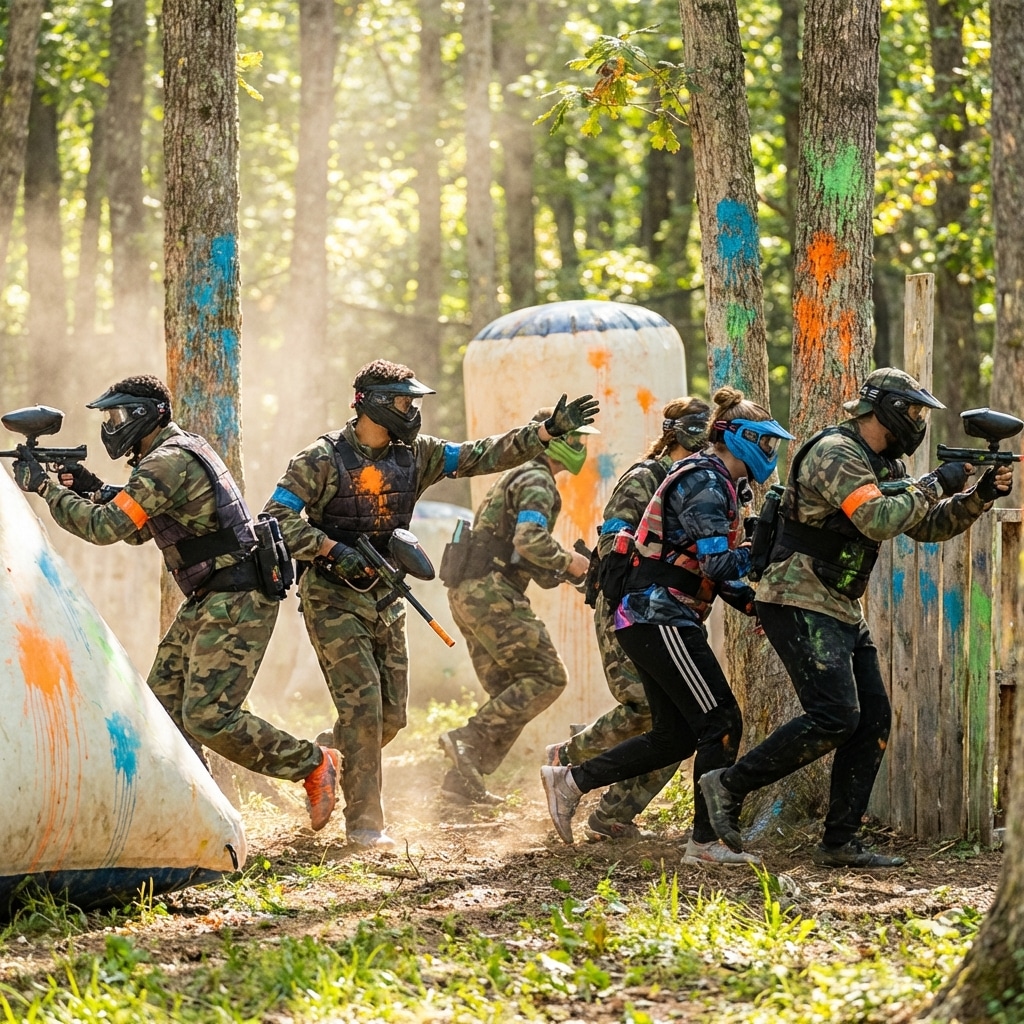
Airsoft has exploded in popularity, captivating enthusiasts with its unique blend of strategy, teamwork, and adrenaline-pumping action. Whether you’re an adult seeking an exciting new hobby or a parent considering it for your child, a critical question often arises: How old do you have to be to play airsoft? Understanding the age requirements, local regulations, and crucial safety considerations is paramount for a safe and enjoyable experience. Let’s dive deep into the nuances of this dynamic sport to answer all your questions.

Basic Airsoft Age Requirements: What to Expect
The minimum age to participate in airsoft isn’t a one-size-fits-all answer. It typically varies significantly based on several key factors, including local laws, specific airsoft field regulations, and the type of event being hosted. Generally, many reputable airsoft fields set their minimum age requirement between 12 to 14 years old.
However, it’s not uncommon for some locations to allow younger children to participate. This usually comes with strict conditions, such as mandatory adult supervision and the absolute requirement of appropriate, properly fitting safety gear. Always remember that these are general guidelines, and specifics can differ wildly.
Understanding Local & State Airsoft Laws
State and local regulations play a crucial role in determining the legal minimum age for airsoft participation. These laws are designed to ensure public safety and responsible handling of airsoft replicas.
For instance, in some regions, like parts of California, stringent guidelines may mandate that individuals younger than 18 years old can only operate airsoft guns under direct adult supervision. Failing to comply with these local airsoft laws can lead to legal issues for both the player and the supervising adult. It is absolutely essential to research and confirm the specific airsoft age requirements and regulations in your immediate area before planning a game.
Field-Specific Airsoft Rules & Waivers
Beyond state laws, every airsoft field or arena operates with its own unique set of rules and age limits. These field-specific airsoft rules are put in place to maintain safety, ensure fair play, and manage the diverse age range of players.
Some fields might permit younger players (e.g., 10 or 11 years old) if they are accompanied by a parent or legal guardian who signs a waiver and remains on-site. Other fields may enforce a hard age cut-off, such as 13 or 14, regardless of parental presence. It’s always advisable to contact the airsoft field directly before your visit to inquire about their precise age requirements, waiver policies, and any other specific rules for younger players.
Why Age Matters: Essential Airsoft Safety & Maturity
While airsoft is a relatively safe recreational activity when proper precautions are rigorously followed, it is not entirely without risks. Understanding the underlying reasons for age restrictions helps both parents and aspiring players make informed decisions.
Maturity & Responsible Airsoft Play
Playing airsoft effectively and safely demands a certain level of maturity and personal responsibility that might not be fully developed in very young children. Airsoft guns, despite being replicas, require respect and strict adherence to safety protocols at all times.
Younger children may struggle to fully grasp the critical importance of rules like “barrel awareness,” “trigger discipline,” or maintaining minimum engagement distances. This lack of understanding or momentary lapse in judgment could significantly increase the risk of accidental injuries to themselves or other players on the field.
Physical & Emotional Readiness for Airsoft
The game of airsoft can be physically demanding. It often involves sustained running, strategic maneuvering, quick sprints, and navigating various terrains. Assessing a child’s physical capabilities and endurance is crucial to prevent fatigue-related accidents.
Furthermore, the emotional aspect is significant. The competitive nature and fast-paced environment, especially when playing against more experienced or aggressive players, can be emotionally overwhelming for younger children. Ensuring they are emotionally robust enough to handle the intensity of the game is just as important as their physical readiness.
Ensuring a Safe & Enjoyable Airsoft Experience for Youth Players
Ultimately, determining “how old to play airsoft” isn’t solely about hitting a specific birthday; it’s about ensuring a secure, positive, and enjoyable experience for everyone involved. Here are practical tips to help younger players get started safely and responsibly.
- Invest in Quality Airsoft Safety Gear: Eye protection is non-negotiable. Every player, regardless of age, must wear full-seal, ANSI Z87.1 rated ballistic eye protection. Additionally, full face masks, gloves, and long-sleeved clothing are highly recommended. For younger players, ensure all gear fits snugly and comfortably, providing comprehensive protection without hindering movement or visibility.
- Start with Supervised Airsoft Play: If you’re introducing a younger child to airsoft, consider beginning with highly supervised play in a controlled environment, such as a backyard with clear boundaries. This allows them to become comfortable handling the equipment, understanding safe shooting practices, and internalizing safety protocols without the pressure of a large, competitive game setting.
- Educate on Airsoft Rules & Etiquette: Dedicate ample time to thoroughly educate younger players on the importance of safety rules and general airsoft etiquette. This includes proper handling of their airsoft gun (e.g., keeping fingers off the trigger until ready to shoot, treating every gun as loaded), understanding field calls (like “hit” or “ceasefire”), and the critical significance of never removing safety gear during play.
Age-Appropriate Alternatives to Airsoft
If you find that your child is currently too young or not quite ready to meet the strict age requirements and maturity levels for airsoft, there are fantastic, age-appropriate alternatives that can still offer tactical fun and skill development.
Laser Tag for Tactical Fun
Laser tag is an excellent entry point for younger children into tactical games. It introduces similar concepts of teamwork, strategy, and objective-based play without any physical impact or projectile risks. It’s a highly controlled and less intimidating environment, perfect for building foundational skills.
Nerf Battles: A Gentle Introduction to Skirmishes
Good old Nerf gun battles remain a fun, safe, and low-intensity way for younger children to engage in mock combat scenarios. These foam dart-based games teach basic aiming, movement, and cover utilization in a much less intense setting, serving as a great stepping stone towards more advanced activities like airsoft when they are truly ready.
Conclusion: Prioritizing Safety in Airsoft
So, how old do you have to be to play airsoft? While a general guideline suggests 12-14 years old, the definitive answer hinges on a combination of critical factors. These include abiding by local laws and regulations, understanding and respecting specific field rules, and most importantly, assessing the individual player’s maturity, physical readiness, and emotional preparedness.
Always prioritize safety by ensuring that all participants have the proper, well-fitting equipment and a thorough understanding of airsoft rules and etiquette. By taking these essential precautions, airsoft can indeed be a remarkably rewarding, safe, and exciting experience for players who are truly ready for the challenge.