Regular Maintenance: Establish a robust maintenance schedule for inspections, repairs, and cleaning of both the trail surface and equipment. Address wear and tear promptly to prevent hazards and prolong the trail’s lifespan.
Lighting & Security: Consider adequate lighting for early morning or evening use, enhancing safety and extending usability. Partner with local law enforcement or neighborhood watch programs to monitor the area.
Accessibility Audits: Periodically review the trail to ensure it remains accessible to people of all abilities, including those using wheelchairs or mobility aids. This might involve widening paths, improving ramp slopes, or adding tactile elements.
Fostering Community and Usage
A beautiful trail is only effective if people know about it and feel encouraged to use it.
Grand Opening & Launch Events: Host a celebratory event to introduce the fitness trail to the community. Include demonstrations of the equipment, guided tours, and perhaps a fun run or walk to generate excitement.
Promotional Campaigns: Utilize local media, social media, community newsletters, and partnerships with schools, fitness clubs, and health organizations to spread the word. Highlight the benefits and unique features of the trail.
Programs & Events: Organize free fitness classes, walking groups, or seasonal challenges on the trail. Partner with local trainers or community groups to lead these activities, fostering regular engagement.
Feedback Loop: Create channels for users to provide feedback on the trail’s condition, equipment, and suggestions for improvement. This shows the community their input is valued and helps ensure the trail remains relevant.
Conclusion: A Legacy of Health and Connection
Building a community fitness trail is an undertaking that requires dedication, collaboration, and a long-term vision. Yet, the rewards are immeasurable. You’re not just constructing a physical space; you’re cultivating a healthier, more connected, and vibrant community.
By following this comprehensive guide, from the initial planning stages to ongoing maintenance and promotion, you can create an outdoor exercise circuit that serves as a cherished asset for generations. Invest in a fitness trail today, and watch your community flourish with renewed energy, stronger bonds, and a lasting legacy of well-being.
Trail Surface Preparation: Choose durable, weather-resistant, and accessible materials for the trail surface. Popular options include compacted gravel, wood chips, recycled rubber, or asphalt. Ensure proper drainage and a smooth, even path.
Equipment Procurement & Installation: Select high-quality, weather-resistant outdoor fitness equipment. Options range from simple pull-up bars and balance beams to more complex multi-station units. Adhere strictly to safety standards during installation, ensuring equipment is securely anchored and surrounded by appropriate safety surfacing (e.g., wood fiber, rubber mulch).
Signage and Wayfinding: Install clear, intuitive signage along the trail. Each exercise station should have detailed instructions on how to use the equipment safely and effectively, along with suggested repetitions or durations. Include QR codes linking to instructional videos for modern engagement.
Landscaping & Amenities: Integrate benches, waste receptacles, water fountains, and bike racks along the trail. Thoughtful landscaping with native plants enhances the aesthetic appeal and ecological value of the space.
Beyond the Build: Ensuring Longevity and Maximizing Impact
A fitness trail’s true success lies not just in its construction, but in its ongoing maintenance, safety, and vibrant community integration.
Ongoing Safety and Accessibility
Commitment to safety and universal design is non-negotiable for a lasting community asset.
Regular Maintenance: Establish a robust maintenance schedule for inspections, repairs, and cleaning of both the trail surface and equipment. Address wear and tear promptly to prevent hazards and prolong the trail’s lifespan.
Lighting & Security: Consider adequate lighting for early morning or evening use, enhancing safety and extending usability. Partner with local law enforcement or neighborhood watch programs to monitor the area.
Accessibility Audits: Periodically review the trail to ensure it remains accessible to people of all abilities, including those using wheelchairs or mobility aids. This might involve widening paths, improving ramp slopes, or adding tactile elements.
Fostering Community and Usage
A beautiful trail is only effective if people know about it and feel encouraged to use it.
Grand Opening & Launch Events: Host a celebratory event to introduce the fitness trail to the community. Include demonstrations of the equipment, guided tours, and perhaps a fun run or walk to generate excitement.
Promotional Campaigns: Utilize local media, social media, community newsletters, and partnerships with schools, fitness clubs, and health organizations to spread the word. Highlight the benefits and unique features of the trail.
Programs & Events: Organize free fitness classes, walking groups, or seasonal challenges on the trail. Partner with local trainers or community groups to lead these activities, fostering regular engagement.
Feedback Loop: Create channels for users to provide feedback on the trail’s condition, equipment, and suggestions for improvement. This shows the community their input is valued and helps ensure the trail remains relevant.
Conclusion: A Legacy of Health and Connection
Building a community fitness trail is an undertaking that requires dedication, collaboration, and a long-term vision. Yet, the rewards are immeasurable. You’re not just constructing a physical space; you’re cultivating a healthier, more connected, and vibrant community.
By following this comprehensive guide, from the initial planning stages to ongoing maintenance and promotion, you can create an outdoor exercise circuit that serves as a cherished asset for generations. Invest in a fitness trail today, and watch your community flourish with renewed energy, stronger bonds, and a lasting legacy of well-being.
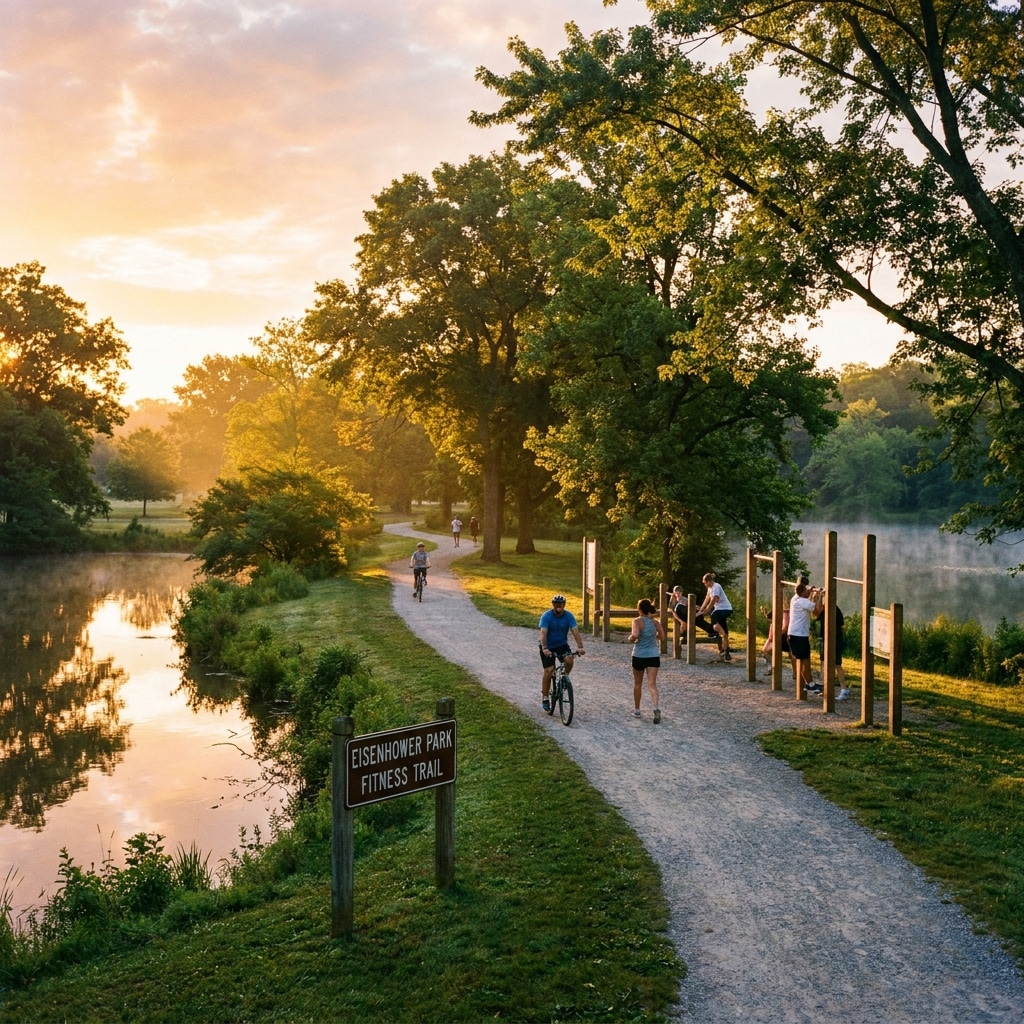
Imagine a vibrant community where health thrives, connections deepen, and outdoor spaces inspire. This isn’t just a dream; it’s the tangible outcome of building a community fitness trail. These innovative outdoor exercise circuits offer a dynamic environment for people of all ages and fitness levels to engage with physical activity.
From the initial spark of an idea to the grand opening, creating a fitness trail is a rewarding journey that transforms local green spaces into cherished hubs of wellness. This comprehensive guide will walk you through every critical step, helping you construct a lasting asset that encourages movement, strengthens community bonds, and elevates the quality of life for everyone.
Why Invest in a Community Fitness Trail?
Before embarking on the practicalities of construction, it’s vital to understand the profound impact a fitness trail can have. It’s more than just a path with equipment; it’s a strategic investment in public health, social cohesion, and environmental enhancement.
Boosts Public Health: A fitness trail provides an accessible, free, and enjoyable way for residents to incorporate regular physical activity into their routines, combating sedentary lifestyles and improving overall well-being.
Fosters Community Engagement: These trails naturally become social hubs, encouraging neighbors to meet, exercise together, and build stronger relationships, thereby enhancing the sense of community.
Promotes Inclusivity: Designed to cater to diverse fitness levels and abilities, a well-planned trail ensures that everyone, from young children to seniors and individuals with disabilities, can participate.
Enhances Green Spaces: Integrating fitness stations thoughtfully within parks or natural areas adds purpose and vibrancy, encouraging greater appreciation and use of local green infrastructure.
Offers Economic Benefits: A high-quality public amenity can increase local property values, attract visitors, and even support local businesses that cater to active lifestyles.
The Blueprint: Step-by-Step Guide to Building Your Fitness Trail
Creating a successful community fitness trail requires careful planning, dedicated resources, and collaborative execution. Here’s how to bring your vision to life.
Phase 1: Vision, Planning, and Design
The foundation of any great project is meticulous planning. This initial phase sets the stage for a successful and sustainable fitness trail.
Location Scouting: Identify suitable sites that are safe, easily accessible to the community, and possess adequate space. Consider existing pathways, natural topography, and proximity to parking, public transport, or other amenities.
Community & Stakeholder Engagement: This is crucial. Conduct surveys, host public meetings, and form a steering committee with local residents, fitness professionals, disability advocates, and local government representatives. Their input will ensure the trail meets genuine community needs.
Conceptual Design: Collaborate with landscape architects or playground designers to draft a preliminary layout. Plan for a variety of exercise stations – including options for cardio, strength, balance, and flexibility – to accommodate all fitness levels and interests.
Permitting & Regulations: Work closely with local authorities to understand zoning laws, environmental regulations, and any necessary permits for construction. Early communication can prevent costly delays.
Phase 2: Securing Funding and Resources
With a solid plan in hand, the next challenge is to gather the financial and material support needed for construction.
Grant Applications: Research local, state, and federal grants focused on public health, recreation, environmental initiatives, and community development. Organizations like the National Park Service or local health departments often offer relevant funding.
Corporate Sponsorships: Approach local businesses that align with health, wellness, or community improvement. Many companies seek opportunities to demonstrate corporate social responsibility.
Community Fundraising: Organize events such as charity runs, bake sales, or silent auctions. Crowdfunding platforms can also be highly effective for engaging the broader public.
Partnerships & In-Kind Donations: Collaborate with local contractors for discounted services, hardware stores for material donations, or volunteer groups for labor. Leverage existing community assets and goodwill.
Phase 3: Construction and Installation
Once resources are secured, the physical creation of the fitness trail begins. This phase requires attention to detail, safety standards, and quality materials.
Trail Surface Preparation: Choose durable, weather-resistant, and accessible materials for the trail surface. Popular options include compacted gravel, wood chips, recycled rubber, or asphalt. Ensure proper drainage and a smooth, even path.
Equipment Procurement & Installation: Select high-quality, weather-resistant outdoor fitness equipment. Options range from simple pull-up bars and balance beams to more complex multi-station units. Adhere strictly to safety standards during installation, ensuring equipment is securely anchored and surrounded by appropriate safety surfacing (e.g., wood fiber, rubber mulch).
Signage and Wayfinding: Install clear, intuitive signage along the trail. Each exercise station should have detailed instructions on how to use the equipment safely and effectively, along with suggested repetitions or durations. Include QR codes linking to instructional videos for modern engagement.
Landscaping & Amenities: Integrate benches, waste receptacles, water fountains, and bike racks along the trail. Thoughtful landscaping with native plants enhances the aesthetic appeal and ecological value of the space.
Beyond the Build: Ensuring Longevity and Maximizing Impact
A fitness trail’s true success lies not just in its construction, but in its ongoing maintenance, safety, and vibrant community integration.
Ongoing Safety and Accessibility
Commitment to safety and universal design is non-negotiable for a lasting community asset.
Regular Maintenance: Establish a robust maintenance schedule for inspections, repairs, and cleaning of both the trail surface and equipment. Address wear and tear promptly to prevent hazards and prolong the trail’s lifespan.
Lighting & Security: Consider adequate lighting for early morning or evening use, enhancing safety and extending usability. Partner with local law enforcement or neighborhood watch programs to monitor the area.
Accessibility Audits: Periodically review the trail to ensure it remains accessible to people of all abilities, including those using wheelchairs or mobility aids. This might involve widening paths, improving ramp slopes, or adding tactile elements.
Fostering Community and Usage
A beautiful trail is only effective if people know about it and feel encouraged to use it.
Grand Opening & Launch Events: Host a celebratory event to introduce the fitness trail to the community. Include demonstrations of the equipment, guided tours, and perhaps a fun run or walk to generate excitement.
Promotional Campaigns: Utilize local media, social media, community newsletters, and partnerships with schools, fitness clubs, and health organizations to spread the word. Highlight the benefits and unique features of the trail.
Programs & Events: Organize free fitness classes, walking groups, or seasonal challenges on the trail. Partner with local trainers or community groups to lead these activities, fostering regular engagement.
Feedback Loop: Create channels for users to provide feedback on the trail’s condition, equipment, and suggestions for improvement. This shows the community their input is valued and helps ensure the trail remains relevant.
Conclusion: A Legacy of Health and Connection
Building a community fitness trail is an undertaking that requires dedication, collaboration, and a long-term vision. Yet, the rewards are immeasurable. You’re not just constructing a physical space; you’re cultivating a healthier, more connected, and vibrant community.
By following this comprehensive guide, from the initial planning stages to ongoing maintenance and promotion, you can create an outdoor exercise circuit that serves as a cherished asset for generations. Invest in a fitness trail today, and watch your community flourish with renewed energy, stronger bonds, and a lasting legacy of well-being.
Trail Surface Preparation: Choose durable, weather-resistant, and accessible materials for the trail surface. Popular options include compacted gravel, wood chips, recycled rubber, or asphalt. Ensure proper drainage and a smooth, even path.
Equipment Procurement & Installation: Select high-quality, weather-resistant outdoor fitness equipment. Options range from simple pull-up bars and balance beams to more complex multi-station units. Adhere strictly to safety standards during installation, ensuring equipment is securely anchored and surrounded by appropriate safety surfacing (e.g., wood fiber, rubber mulch).
Signage and Wayfinding: Install clear, intuitive signage along the trail. Each exercise station should have detailed instructions on how to use the equipment safely and effectively, along with suggested repetitions or durations. Include QR codes linking to instructional videos for modern engagement.
Landscaping & Amenities: Integrate benches, waste receptacles, water fountains, and bike racks along the trail. Thoughtful landscaping with native plants enhances the aesthetic appeal and ecological value of the space.
Beyond the Build: Ensuring Longevity and Maximizing Impact
A fitness trail’s true success lies not just in its construction, but in its ongoing maintenance, safety, and vibrant community integration.
Ongoing Safety and Accessibility
Commitment to safety and universal design is non-negotiable for a lasting community asset.
Regular Maintenance: Establish a robust maintenance schedule for inspections, repairs, and cleaning of both the trail surface and equipment. Address wear and tear promptly to prevent hazards and prolong the trail’s lifespan.
Lighting & Security: Consider adequate lighting for early morning or evening use, enhancing safety and extending usability. Partner with local law enforcement or neighborhood watch programs to monitor the area.
Accessibility Audits: Periodically review the trail to ensure it remains accessible to people of all abilities, including those using wheelchairs or mobility aids. This might involve widening paths, improving ramp slopes, or adding tactile elements.
Fostering Community and Usage
A beautiful trail is only effective if people know about it and feel encouraged to use it.
Grand Opening & Launch Events: Host a celebratory event to introduce the fitness trail to the community. Include demonstrations of the equipment, guided tours, and perhaps a fun run or walk to generate excitement.
Promotional Campaigns: Utilize local media, social media, community newsletters, and partnerships with schools, fitness clubs, and health organizations to spread the word. Highlight the benefits and unique features of the trail.
Programs & Events: Organize free fitness classes, walking groups, or seasonal challenges on the trail. Partner with local trainers or community groups to lead these activities, fostering regular engagement.
Feedback Loop: Create channels for users to provide feedback on the trail’s condition, equipment, and suggestions for improvement. This shows the community their input is valued and helps ensure the trail remains relevant.
Conclusion: A Legacy of Health and Connection
Building a community fitness trail is an undertaking that requires dedication, collaboration, and a long-term vision. Yet, the rewards are immeasurable. You’re not just constructing a physical space; you’re cultivating a healthier, more connected, and vibrant community.
By following this comprehensive guide, from the initial planning stages to ongoing maintenance and promotion, you can create an outdoor exercise circuit that serves as a cherished asset for generations. Invest in a fitness trail today, and watch your community flourish with renewed energy, stronger bonds, and a lasting legacy of well-being.
Imagine a vibrant community where health thrives, connections deepen, and outdoor spaces inspire. This isn’t just a dream; it’s the tangible outcome of building a community fitness trail. These innovative outdoor exercise circuits offer a dynamic environment for people of all ages and fitness levels to engage with physical activity.
From the initial spark of an idea to the grand opening, creating a fitness trail is a rewarding journey that transforms local green spaces into cherished hubs of wellness. This comprehensive guide will walk you through every critical step, helping you construct a lasting asset that encourages movement, strengthens community bonds, and elevates the quality of life for everyone.
Why Invest in a Community Fitness Trail?
Before embarking on the practicalities of construction, it’s vital to understand the profound impact a fitness trail can have. It’s more than just a path with equipment; it’s a strategic investment in public health, social cohesion, and environmental enhancement.
Boosts Public Health: A fitness trail provides an accessible, free, and enjoyable way for residents to incorporate regular physical activity into their routines, combating sedentary lifestyles and improving overall well-being.
Fosters Community Engagement: These trails naturally become social hubs, encouraging neighbors to meet, exercise together, and build stronger relationships, thereby enhancing the sense of community.
Promotes Inclusivity: Designed to cater to diverse fitness levels and abilities, a well-planned trail ensures that everyone, from young children to seniors and individuals with disabilities, can participate.
Enhances Green Spaces: Integrating fitness stations thoughtfully within parks or natural areas adds purpose and vibrancy, encouraging greater appreciation and use of local green infrastructure.
Offers Economic Benefits: A high-quality public amenity can increase local property values, attract visitors, and even support local businesses that cater to active lifestyles.
The Blueprint: Step-by-Step Guide to Building Your Fitness Trail
Creating a successful community fitness trail requires careful planning, dedicated resources, and collaborative execution. Here’s how to bring your vision to life.
Phase 1: Vision, Planning, and Design
The foundation of any great project is meticulous planning. This initial phase sets the stage for a successful and sustainable fitness trail.
Location Scouting: Identify suitable sites that are safe, easily accessible to the community, and possess adequate space. Consider existing pathways, natural topography, and proximity to parking, public transport, or other amenities.
Community & Stakeholder Engagement: This is crucial. Conduct surveys, host public meetings, and form a steering committee with local residents, fitness professionals, disability advocates, and local government representatives. Their input will ensure the trail meets genuine community needs.
Conceptual Design: Collaborate with landscape architects or playground designers to draft a preliminary layout. Plan for a variety of exercise stations – including options for cardio, strength, balance, and flexibility – to accommodate all fitness levels and interests.
Permitting & Regulations: Work closely with local authorities to understand zoning laws, environmental regulations, and any necessary permits for construction. Early communication can prevent costly delays.
Phase 2: Securing Funding and Resources
With a solid plan in hand, the next challenge is to gather the financial and material support needed for construction.
Grant Applications: Research local, state, and federal grants focused on public health, recreation, environmental initiatives, and community development. Organizations like the National Park Service or local health departments often offer relevant funding.
Corporate Sponsorships: Approach local businesses that align with health, wellness, or community improvement. Many companies seek opportunities to demonstrate corporate social responsibility.
Community Fundraising: Organize events such as charity runs, bake sales, or silent auctions. Crowdfunding platforms can also be highly effective for engaging the broader public.
Partnerships & In-Kind Donations: Collaborate with local contractors for discounted services, hardware stores for material donations, or volunteer groups for labor. Leverage existing community assets and goodwill.
Phase 3: Construction and Installation
Once resources are secured, the physical creation of the fitness trail begins. This phase requires attention to detail, safety standards, and quality materials.
Trail Surface Preparation: Choose durable, weather-resistant, and accessible materials for the trail surface. Popular options include compacted gravel, wood chips, recycled rubber, or asphalt. Ensure proper drainage and a smooth, even path.
Equipment Procurement & Installation: Select high-quality, weather-resistant outdoor fitness equipment. Options range from simple pull-up bars and balance beams to more complex multi-station units. Adhere strictly to safety standards during installation, ensuring equipment is securely anchored and surrounded by appropriate safety surfacing (e.g., wood fiber, rubber mulch).
Signage and Wayfinding: Install clear, intuitive signage along the trail. Each exercise station should have detailed instructions on how to use the equipment safely and effectively, along with suggested repetitions or durations. Include QR codes linking to instructional videos for modern engagement.
Landscaping & Amenities: Integrate benches, waste receptacles, water fountains, and bike racks along the trail. Thoughtful landscaping with native plants enhances the aesthetic appeal and ecological value of the space.
Beyond the Build: Ensuring Longevity and Maximizing Impact
A fitness trail’s true success lies not just in its construction, but in its ongoing maintenance, safety, and vibrant community integration.
Ongoing Safety and Accessibility
Commitment to safety and universal design is non-negotiable for a lasting community asset.
Regular Maintenance: Establish a robust maintenance schedule for inspections, repairs, and cleaning of both the trail surface and equipment. Address wear and tear promptly to prevent hazards and prolong the trail’s lifespan.
Lighting & Security: Consider adequate lighting for early morning or evening use, enhancing safety and extending usability. Partner with local law enforcement or neighborhood watch programs to monitor the area.
Accessibility Audits: Periodically review the trail to ensure it remains accessible to people of all abilities, including those using wheelchairs or mobility aids. This might involve widening paths, improving ramp slopes, or adding tactile elements.
Fostering Community and Usage
A beautiful trail is only effective if people know about it and feel encouraged to use it.
Grand Opening & Launch Events: Host a celebratory event to introduce the fitness trail to the community. Include demonstrations of the equipment, guided tours, and perhaps a fun run or walk to generate excitement.
Promotional Campaigns: Utilize local media, social media, community newsletters, and partnerships with schools, fitness clubs, and health organizations to spread the word. Highlight the benefits and unique features of the trail.
Programs & Events: Organize free fitness classes, walking groups, or seasonal challenges on the trail. Partner with local trainers or community groups to lead these activities, fostering regular engagement.
Feedback Loop: Create channels for users to provide feedback on the trail’s condition, equipment, and suggestions for improvement. This shows the community their input is valued and helps ensure the trail remains relevant.
Conclusion: A Legacy of Health and Connection
Building a community fitness trail is an undertaking that requires dedication, collaboration, and a long-term vision. Yet, the rewards are immeasurable. You’re not just constructing a physical space; you’re cultivating a healthier, more connected, and vibrant community.
By following this comprehensive guide, from the initial planning stages to ongoing maintenance and promotion, you can create an outdoor exercise circuit that serves as a cherished asset for generations. Invest in a fitness trail today, and watch your community flourish with renewed energy, stronger bonds, and a lasting legacy of well-being.