Dreaming of gliding across a serene lake, navigating a winding river, or exploring coastal waters from a unique perspective? Kayaking offers an incredible blend of adventure, fitness, and connection with nature. It’s a sport that truly is accessible to almost anyone, regardless of age or athletic background.

But if you’re a beginner, the idea of getting started might seem a little daunting. What kind of kayak do you need? Where do you even begin to learn? This comprehensive guide will break down everything you need to know about how to get into kayaking, transforming you from an aspiring paddler into a confident adventurer.
Why Kayaking Should Be Your Next Outdoor Adventure
Before we dive into the “how,” let’s quickly recap the amazing benefits that make kayaking such a rewarding pursuit. It’s a fantastic full-body workout, engaging your core, arms, and back while being low-impact on your joints. Beyond the physical, it offers unparalleled mental calm, allowing you to de-stress and enjoy the tranquility of the water.
Kayaking also provides a unique vantage point to explore local waterways, observe wildlife, and discover hidden coves that are inaccessible by foot. It’s an empowering sport that builds confidence and provides a sense of accomplishment with every paddle stroke. Ready to experience it for yourself?
Your First Stroke: Essential Steps to Start Kayaking
1. Discover Your Kayaking Style
The world of kayaking is diverse, with different boat designs and techniques suited for various environments. Your first step is to consider what kind of paddling truly excites you.
Are you looking for a relaxing day on a calm lake, or do you crave the thrill of navigating rapids? Understanding your interests will guide your choice of equipment and initial training.
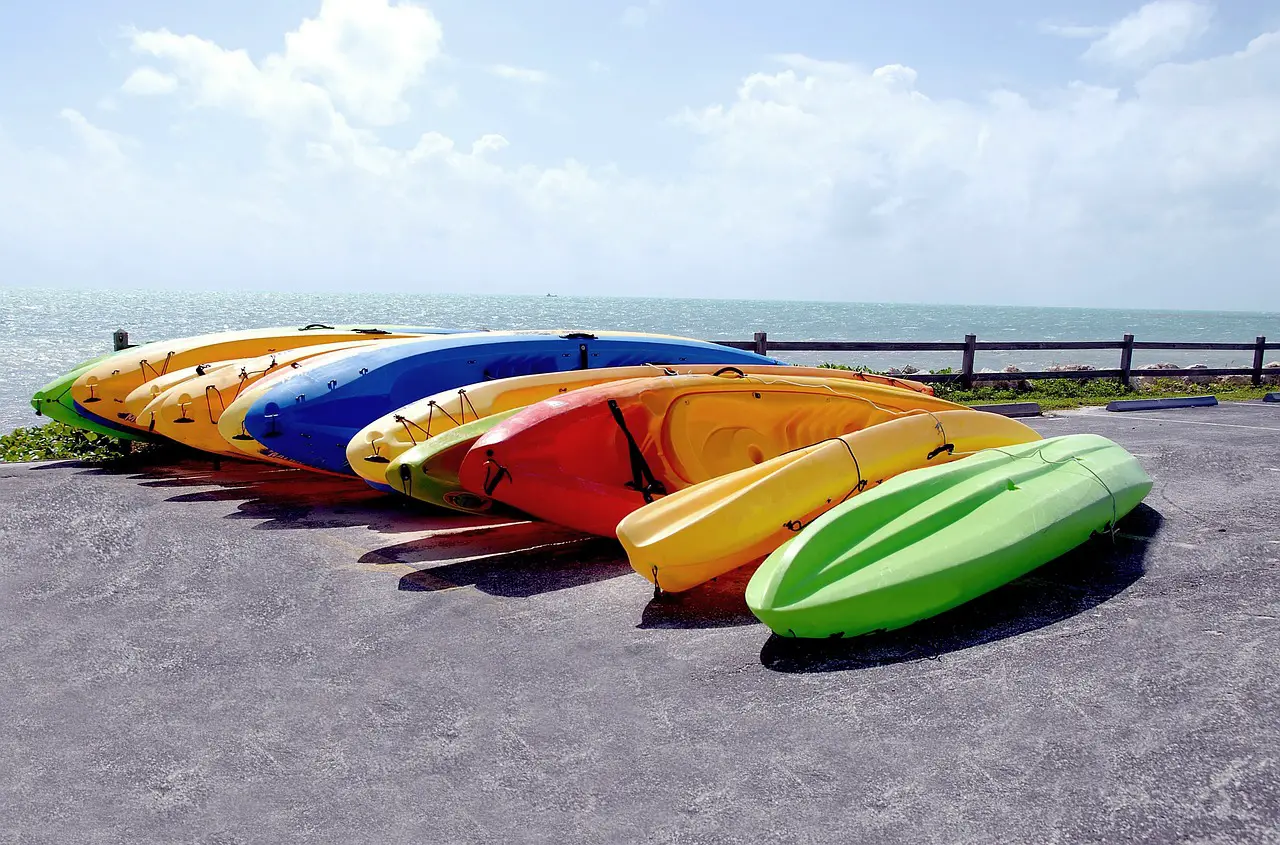
- Recreational Kayaking: Perfect for beginners, these stable, easy-to-maneuver kayaks are ideal for calm lakes, slow rivers, and sheltered bays. They’re great for casual paddling and short trips.
- Touring/Sea Kayaking: Designed for longer distances on larger bodies of water, including oceans. These kayaks are longer, narrower, and offer more storage. They require specific skills for open water conditions.
- Whitewater Kayaking: For thrill-seekers, whitewater kayaking involves navigating rapids and swift currents. This highly specialized discipline demands intensive training and specific equipment.
- Fishing Kayaking: Equipped with features like rod holders and storage, these kayaks are designed for anglers who want to cast lines from the water.
2. Master the Basics: Take a Kayaking Lesson
While kayaking looks straightforward, proper technique and safety knowledge are crucial for an enjoyable and secure experience. Investing in a lesson from a certified instructor is arguably the most important step for any beginner.
An instructor will teach you essential paddling strokes, how to enter and exit your kayak safely, basic self-rescue techniques, and fundamental safety protocols. They can correct bad habits before they start, ensuring you build a solid foundation. Look for lessons at local outfitters, community recreation centers, or outdoor clubs.
3. Gear Up Smart: Rent or Borrow Equipment First
Before you commit to purchasing your own kayak and gear, it’s wise to try out different types of equipment. Renting a kayak allows you to experience the sport without a significant upfront investment, helping you discover what you truly enjoy.
Many kayaking outfitters and park facilities offer rental options, often including the paddle and a personal flotation device (PFD). This is an excellent way to experiment with various kayak styles – perhaps a sit-on-top versus a sit-in – to find what feels most comfortable and suitable for your chosen waters.
4. Choosing Your First Kayak & Essential Gear
Once you’ve decided that kayaking is for you, it’s time to consider your own equipment. Your choice of kayak will depend heavily on the type of paddling you intend to do, your skill level, and your budget.
For most beginners, a stable recreational kayak is an ideal starting point. Beyond the boat itself, several other pieces of equipment are non-negotiable for safety and comfort:
- Personal Flotation Device (PFD): This is your most critical piece of safety gear. Always wear a U.S. Coast Guard-approved PFD that fits snugly and comfortably.
- Paddle: Choose a paddle appropriate for your height and kayak width. Lighter paddles reduce fatigue on longer trips.
- Appropriate Clothing: Dress in layers of quick-drying, synthetic materials. Avoid cotton, which stays wet and can make you cold. Consider a wetsuit or drysuit for colder water.
- Footwear: Water shoes, sandals with straps, or old sneakers are perfect for protecting your feet and handling wet conditions.
- Safety Gear: A whistle, a bilge pump (for sit-in kayaks), and a paddle leash are recommended.
- Dry Bag: Essential for keeping your phone, keys, and snacks safe and dry.
5. Find Your Community: Join a Kayaking Club or Group
One of the best ways to grow as a kayaker and discover new paddling spots is by connecting with other enthusiasts. Joining a local kayaking club or group offers numerous benefits.
You’ll meet experienced paddlers who can offer advice, share tips, and often organize group trips. This community aspect is invaluable for learning new skills, finding paddling partners, and exploring diverse waterways safely. Many clubs also offer access to gear or training.
6. Practice, Practice, Practice for Progressive Learning
Like any new skill, proficiency in kayaking comes with consistent practice. Start with shorter paddles on calm, familiar waters to hone your basic strokes, balance, and maneuvering.
Gradually challenge yourself with longer distances or slightly more varied conditions as your confidence and skill improve. Always remember to practice with a buddy, especially when trying new routes or conditions.
7. Prioritize Kayaking Safety
Safety is paramount in any outdoor activity, and kayaking is no exception. Always adhere to these essential guidelines to ensure a safe and enjoyable experience:
- Always Wear Your PFD: Even strong swimmers can get into trouble in unexpected situations.
- Paddle with a Buddy: There’s safety in numbers, especially for beginners or in unfamiliar areas.
- Check the Weather: Winds, storms, and strong currents can appear quickly. Always check the forecast before heading out.
- Know Your Limits: Don’t attempt conditions beyond your skill level. Be honest about your endurance and experience.
- File a Float Plan: Let someone know where you’re going and when you expect to return, especially on longer trips.
- Respect the Environment: Pack out everything you pack in, and avoid disturbing wildlife.
Ready for Adventure? Get Started Kayaking Today!
Kayaking is more than just a sport; it’s a gateway to new experiences, breathtaking views, and a healthier lifestyle. With the right preparation, a commitment to safety, and a willingness to learn, you can easily get started and embark on countless memorable adventures.
So, take the first step – perhaps research a local outfitter or sign up for that introductory lesson – and prepare to fall in love with the water. The serene beauty and exhilarating freedom of kayaking await!