Getting Started With The Growing Craze Of Stand Up Paddleboarding: What To Know Before Hitting The Water

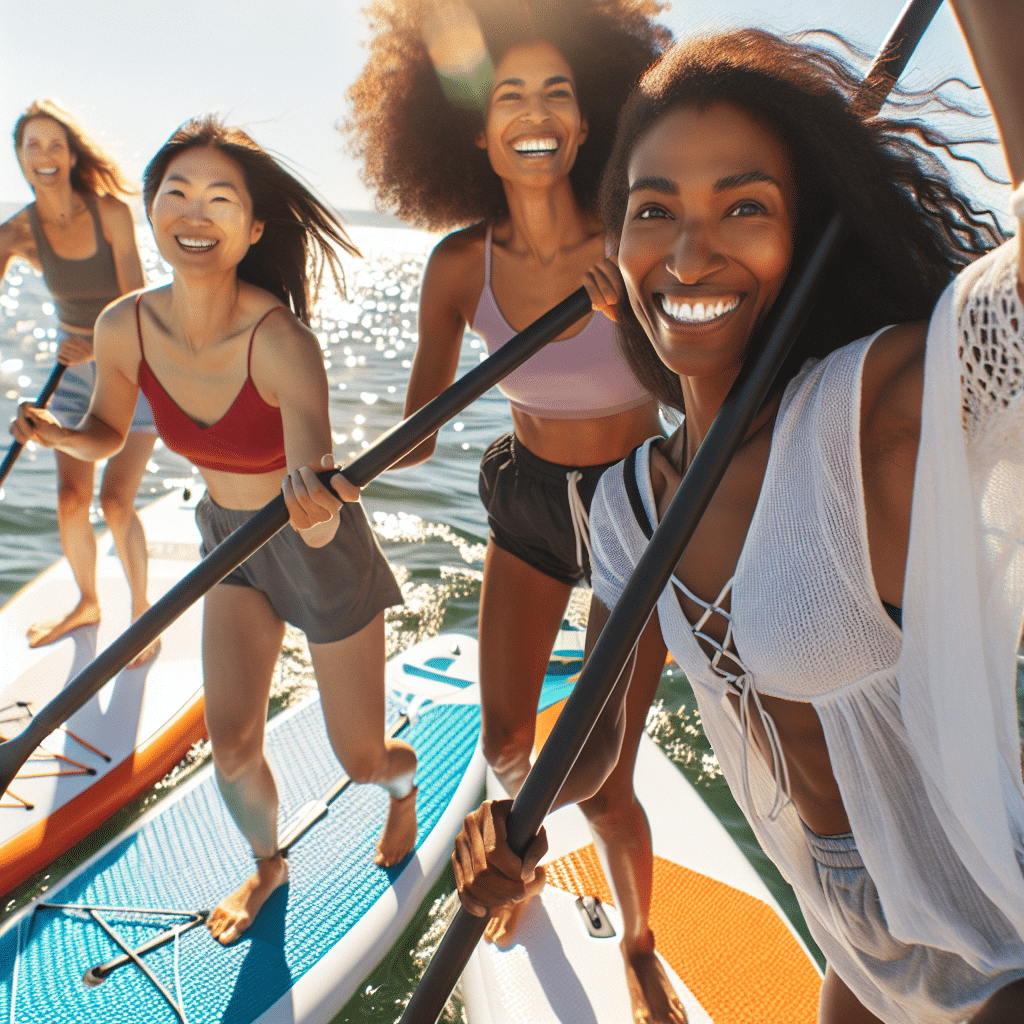
The allure of stand-up paddleboarding (SUP) has swept across coastlines and waterways, captivating adventurers and celebrities alike. What began as a niche Hawaiian sport has exploded into a global phenomenon, inviting millions to experience the unique blend of tranquility and physical activity it offers.

Product

If you’re eyeing that shimmering water and wondering how to join the SUP craze, you’re in the right place. While paddleboarding looks effortless, a little preparation goes a long way to ensure your first time on the water is safe, fun, and empowering. From choosing the right gear to mastering basic strokes, here’s your essential guide to getting started with stand-up paddleboarding.

Getting Started With The Growing Craze Of Stand Up Paddleboarding: What To Know Before Hitting The Water

Choosing Your Perfect Stand-Up Paddleboard

The first step to an amazing SUP experience is selecting the right board. There’s no universal “best” board; instead, it’s about finding the perfect match for your body, skill level, and intended use. Understanding the different types is crucial for beginners.

Inflatable SUPs vs. Hard Boards: The Beginner’s Dilemma

You’ll encounter two main categories: inflatable paddleboards (iSUPs) and traditional hard boards. Each has distinct advantages and disadvantages:

  • Inflatable SUPs: These are often recommended for beginners due to their portability, durability, and typically greater stability. They’re easy to transport in a backpack, store compactly, and are surprisingly rigid when fully inflated. Their softer surface can also be more forgiving for falls.
  • Hard Boards: Offer superior performance, glide, and speed, making them ideal for specific activities like racing or surfing. They are more rigid, which translates to a more direct feel of the water, but they require roof racks for transport and more storage space.

Understanding Board Types and Dimensions

Beyond inflatable or hard, boards come in various shapes tailored for different paddling styles:

  • All-Around Boards: The most popular choice for beginners, these boards are wide and stable, perfect for casual paddling, yoga, or small waves.
  • Touring Boards: Longer and narrower than all-arounds, designed for efficiency and speed over longer distances.
  • Surf SUPs: Shorter and curvier, built for agility and maneuverability in ocean waves.
  • Yoga/Fitness Boards: Often extra-wide with full deck pads, offering maximum stability for on-water workouts.

When selecting your SUP board, consider your weight and desired activity. A local paddleboard shop can provide invaluable advice and may even offer demo days, allowing you to try different models before committing.

Essential Gear for a Safe and Smooth Paddle

Having the right equipment is just as important as choosing your board. Proper gear ensures your safety, enhances your comfort, and optimizes your paddling experience.

The Paddle: Your Engine on the Water

Your paddle is your primary means of propulsion and steering. Paddles come in adjustable or fixed lengths and various materials (aluminum, fiberglass, carbon fiber).

  • Sizing: A general rule for beginners is to choose a paddle that is 6-10 inches taller than you when standing. Adjustable paddles are great for sharing or experimenting with length.
  • Material: Carbon fiber is lightest and most efficient but most expensive. Aluminum is durable and affordable, while fiberglass offers a good balance.

Safety First: PFDs and Leashes

These two items are non-negotiable for safety, especially when you’re just starting out.

  • Personal Flotation Device (PFD): A lifejacket or PFD is often legally required and always recommended. Choose one that fits comfortably and allows for a full range of motion.
  • SUP Leash: This tether connects your ankle (or calf) to your board. If you fall, your board won’t drift away, leaving you stranded. Always wear a leash, especially in open water or windy conditions.

Additional Must-Have Accessories

  • Waterproof Bag: For your phone, keys, and other essentials.
  • Water Bottle: Stay hydrated, especially on longer paddles.
  • Sun Protection: Hat, sunglasses, and reef-safe sunscreen are crucial.
  • Whistle: For signaling in emergencies.
  • Pump & Repair Kit: Essential for inflatable SUP owners.

Picking Your Perfect Paddle Spot

Where you launch your board significantly impacts your first experiences. Starting in the right environment builds confidence and minimizes potential hazards.

Beginner-Friendly Locations

When you’re new to SUP, always opt for calm, sheltered waters. Ideal locations include:

  • Small Lakes or Ponds: Often protected from strong winds and currents.
  • Protected Coves or Bays: Look for areas away from boat traffic and open ocean swell.
  • Slow-Moving Rivers: Ensure currents are gentle and there are no obstructions like rapids or dams.

Avoid areas with strong currents, heavy boat traffic, large waves, or shallow, rocky bottoms until you’ve gained more experience and confidence.

Checking Conditions Before You Go

Always check the weather forecast, paying particular attention to wind speed and direction. Wind can make paddling much harder and push you off course. If paddling in tidal areas, understand the tide schedule to avoid getting caught in strong outgoing currents or stranded in low water.

Mastering Basic SUP Skills and Safety

With your board, gear, and location sorted, it’s time to learn the ropes. A little practice goes a long way in making your first paddle smooth and enjoyable.

On-Land Practice: Get Comfortable First

Before hitting the water, take a few minutes on dry land to familiarize yourself. Practice your paddle grip (one hand on the T-grip, one on the shaft), and experiment with foot placement on your board. Visualize your stance and how you’ll transition from kneeling to standing.

Core Paddling Techniques

  • Mounting: Start by kneeling on the board, just behind the center handle. Use your hands for balance.
  • Stance: Once comfortable kneeling, slowly stand up, placing your feet shoulder-width apart, parallel to each other, centered on the board. Keep a slight bend in your knees and your core engaged. Look towards the horizon, not at your feet.
  • Forward Stroke: Reach forward with your paddle, insert the entire blade into the water, and pull it back to your feet. Keep your arms relatively straight and use your core for power. Alternate sides to go straight.
  • Turning: Use sweep strokes (a long arc on one side) or draw strokes (pulling the board towards the paddle) to turn.
  • Falling & Remounting: It will happen! Fall away from the board to avoid hitting it. To remount, grab the center handle, kick your feet, and pull yourself onto the board, starting in a kneeling position.

Water Safety & Awareness

Always paddle with a buddy if possible. Be aware of your surroundings, including other water users, potential hazards, and any local regulations. Know your limits and don’t venture too far out until you’re confident in your abilities.

Beyond the Basics: Growing Your SUP Journey

Once you’ve mastered the fundamentals, the world of stand-up paddleboarding truly opens up. You can explore new waterways, enjoy peaceful mornings on the lake, or even try more specialized activities.

Many paddleboarders find joy in SUP yoga, fishing from their boards, or embarking on multi-day touring adventures. There are also opportunities to join local SUP communities, participate in races, or volunteer for water clean-up initiatives.

Ready to Paddle?

Stand-up paddleboarding offers an incredible way to connect with nature, stay active, and find a unique sense of calm on the water. While the initial steps involve learning about gear and basic techniques, the rewards are immense. Take your time, prioritize safety, and don’t be afraid to ask for advice at your local SUP shop or from experienced paddlers.

So, what are you waiting for? Grab your board, hit the water, and embark on your stand-up paddleboarding adventure today!

Scroll to Top
Skip to content