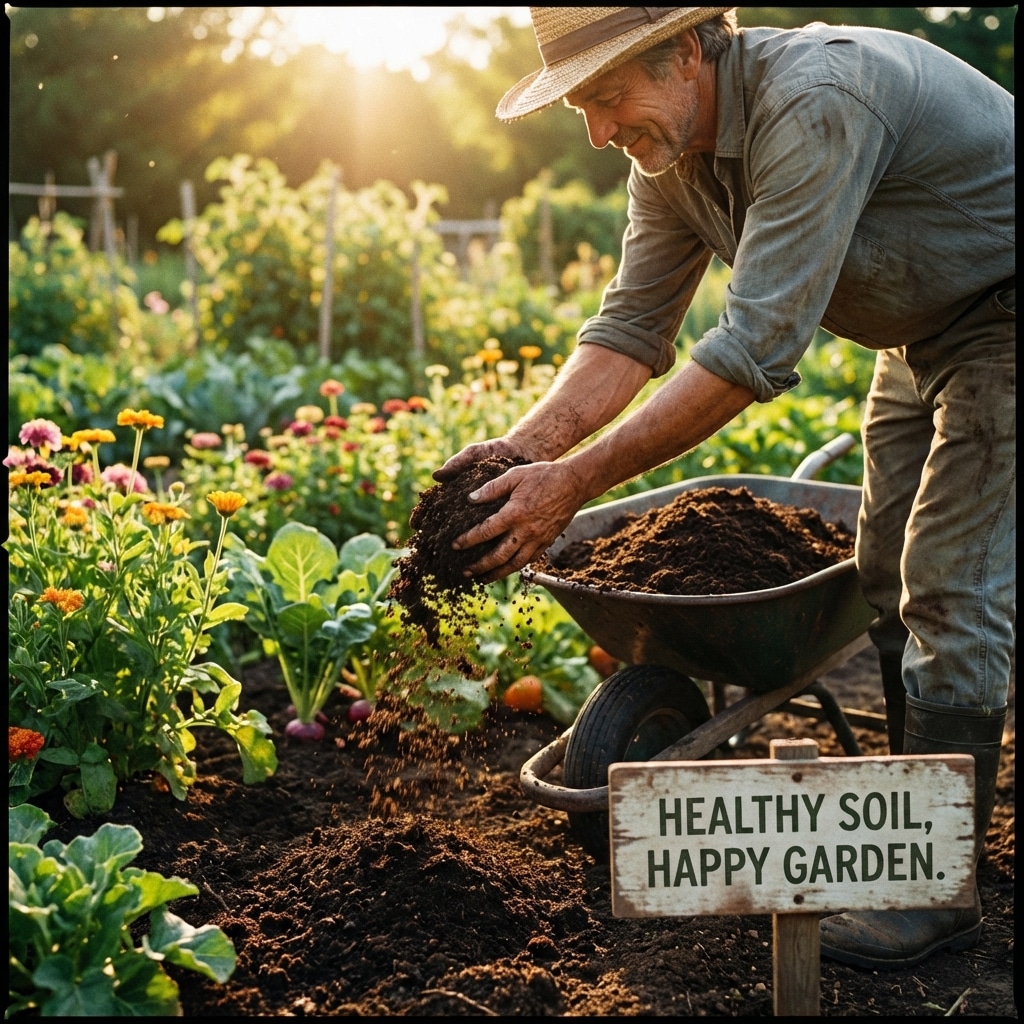
Every gardener dreams of a vibrant, flourishing oasis, bursting with healthy plants and abundant harvests. Yet, achieving this vision often hinges on one fundamental element that many overlook: the soil beneath their feet. Is your garden struggling with slow growth, nutrient deficiencies, or pest issues? The answer often lies in the quality of your soil.
Healthy soil is the bedrock of a successful garden, providing the essential nutrients, water, and structure plants need to thrive. But how can you transform tired, depleted soil into a living, breathing ecosystem where your plants will truly flourish? Let’s dig deep into proven strategies to improve soil for gardening and unlock your garden’s full potential.
Why Prioritize Soil Health in Your Garden?
Understanding the crucial role of soil health is the first step toward cultivating a truly flourishing garden. Think of your soil as a complex living organism, teeming with microbial life and essential elements. When it’s healthy, it acts as nature’s perfect delivery system.
Healthy soil is rich in diverse nutrients, boasts excellent structure for root development, and effectively retains moisture while allowing for proper drainage. Neglecting this vital foundation can lead to a host of problems, from stunted plant growth and decreased yields to increased vulnerability to pests and diseases. Investing in your soil means investing in the long-term vitality of your entire garden.
Transform Your Garden: Essential Strategies to Improve Soil
Ready to give your garden the best possible start? These comprehensive strategies will guide you in effectively improving your soil for gardening, ensuring robust plant growth and bountiful harvests.
1. Start with a Comprehensive Soil Test
Before you add any amendments, you need to understand your starting point. A professional soil test is your garden’s diagnostic tool, revealing critical information about its current pH level, nutrient content (or deficiencies), and overall texture. This isn’t a step to skip!
You can purchase basic testing kits at local garden centers, but for the most detailed analysis, consider sending samples to your local agricultural extension service. The insights gained from a soil test will empower you to make informed decisions, ensuring you apply the right amendments precisely where they’re needed, saving you time and money.
2. Embrace Organic Matter: The Lifeblood of Healthy Soil
If there’s one single most impactful change you can make to improve soil for gardening, it’s consistently adding organic matter. This isn’t just about adding nutrients; it’s about fundamentally transforming your soil’s structure, water retention, and biological activity. Organic matter is truly the heart of a healthy garden ecosystem.
Compost: Often called “black gold,” compost is decomposed organic material (think vegetable scraps, yard waste, leaves). It’s a powerhouse of macro and micronutrients, dramatically improving soil structure, drainage in clay soils, and water retention in sandy soils. Regular applications are key.
Well-Rotted Manure: An excellent source of organic matter and essential nutrients, manure from herbivores (like cows, horses, or chickens) enriches the soil deeply. Always ensure it’s well-rotted to avoid burning plants or introducing unwanted pathogens.
Cover Crops: Planted during off-seasons or in resting beds, cover crops like clover, rye, or vetch protect the soil from erosion and compaction. When tilled back into the soil before planting, they add significant organic matter, improve structure, and can even fix nitrogen.
Leaf Mold: Simply decomposed leaves, leaf mold is incredibly beneficial for improving soil structure and water-holding capacity. It’s easy to make and a fantastic way to recycle autumn leaves.
3. Optimize Soil Drainage and Aeration
Waterlogged soil is a death sentence for most plants, suffocating roots and leading to common problems like root rot. Proper drainage and aeration are vital for healthy root development and microbial activity.
Incorporate More Organic Matter: As mentioned, organic matter is your best friend here. It creates aggregates in clay soils, preventing compaction, and helps sandy soils hold onto moisture without becoming waterlogged.
Create Raised Beds: Elevating your garden beds is an effective way to immediately improve drainage, especially in areas with heavy clay or poor natural drainage. Raised beds also warm up faster in spring, extending your growing season.
Avoid Soil Compaction: Resist walking directly on your garden beds. Create dedicated pathways to prevent compacting the soil, which reduces air pockets essential for roots and beneficial organisms.
Consider Deep Digging (in extreme cases): For severely compacted areas, a one-time deep digging or “double digging” can break up hardpans. However, this should be done sparingly, as excessive tilling can disrupt soil structure and microbial networks.
4. Balance Soil pH for Optimal Nutrient Uptake
Soil pH is a critical factor that dictates nutrient availability to your plants. Most garden vegetables and flowers thrive in a slightly acidic to neutral pH range, typically between 6.0 and 7.5. Your soil test will tell you your current pH.
To Raise pH (reduce acidity): If your soil is too acidic, you can add garden lime (either calcitic or dolomitic) or wood ash. Apply these in the fall to allow them time to work into the soil before spring planting.
To Lower pH (increase acidity): For overly alkaline soil, amendments like elemental sulfur, peat moss, or even spent coffee grounds can help. Always apply gradually and retest to avoid over-correcting.
5. Implement Crop Rotation and Companion Planting
These time-honored practices aren’t just for large farms; they’re powerful tools for improving soil health and garden productivity in any space. They work in harmony with nature to keep your soil vibrant and your plants robust.
Crop Rotation: Avoid planting the same crop (or family of crops) in the same spot year after year. This prevents the depletion of specific nutrients and breaks the life cycles of pests and diseases that might otherwise build up in the soil. Rotate heavy feeders with light feeders and nitrogen-fixing plants.
Companion Planting: This involves strategically growing specific plants together that offer mutual benefits. For example, marigolds can deter nematodes from tomato roots, while basil can improve the flavor of tomatoes. Other combinations enhance growth, attract beneficial insects, or repel pests naturally.
The Power of Mulch: A Gardener’s Best Friend
Mulching is an incredibly effective, yet often underestimated, strategy to significantly improve soil for gardening. It’s a simple practice that yields immense benefits, acting as a protective blanket for your soil.
Weed Suppression: A layer of mulch blocks sunlight, dramatically reducing weed growth. This means less competition for water and nutrients, allowing your desired plants to flourish.
Moisture Retention: Mulch acts as an insulator, reducing water evaporation from the soil surface. This translates to less frequent watering, conserving precious resources and ensuring consistent moisture levels for roots.
Temperature Regulation: Mulch moderates soil temperature, keeping it cooler during hot summer days and warmer during chilly nights or winter months. This protects delicate root systems from extreme fluctuations.
Soil Enrichment: Organic mulches, such as straw, wood chips, shredded leaves, or compost, slowly break down over time. As they decompose, they continually add valuable organic matter and nutrients back into the soil, improving its structure and feeding the beneficial microbial life.
Erosion Control: Mulch protects the soil surface from the impact of heavy rain and wind, preventing erosion and the loss of precious topsoil.
Conclusion: Invest in Your Soil, Grow Your Success
Improving soil for gardening isn’t a one-time task; it’s an ongoing journey that requires attention, observation, and consistent care. By committing to strategies like regular soil testing, generously incorporating organic matter, optimizing drainage, balancing pH, and embracing sustainable practices like crop rotation and mulching, you lay the foundation for a truly extraordinary garden.
Remember, healthy soil is the ultimate secret to vibrant, resilient plants and a bountiful harvest. Invest wisely in your soil, nurture its living ecosystem, and watch your garden flourish like never before!